BitD · Blades · Blades in the Dark RPG
Blades in the Dark
Blades in the Dark is a heist-driven game of scoundrels carving out a slice of power in a shadowed, electric city. You plan just enough, hit the target, and deal with fallout. It is gritty and stylish, with ghosts, cults, and cruel nobles around every corner. Players love how it spotlights daring choices, builds crew identity, and keeps momentum from job to job.
At the table, sessions feel tight and cinematic. You jump into the score fast, flash back to prep when it matters, and ride the tension as clocks fill and consequences bite. It suits newcomers who want clear structure, and veterans who enjoy tactical improvisation. Great for one-night capers, birthdays, or team events focused on problem solving. With guidance from our Game Masters, the danger feels fair and every player gets time in the spotlight.
How to play Blades in the Dark
You roll a pool of six-sided dice based on your action rating, then take the highest die. A 6 means it works, a 4 or 5 means it works with a cost, 1 to 3 brings trouble. The Game Master sets position and effect, which tell you the risk and how much you can achieve. You can push yourself by marking stress, take devil's bargains, and use flashbacks for prep on the fly. Teamwork lets crewmates assist or set each other up.
Players bring bold choices and a clear goal for the score. Your character sheet suggests approaches, but fiction comes first. Say what you do, then roll if it is risky or uncertain. A professional Game Master brings living factions, clocks that track progress or danger, and sharp consequences. They frame scenes, keep the pace tight, and help you resist harm or negotiate effect. You need dice and your sheet. The GM handles rules calls and the city's threats.
For a one-shot, your Game Master helps you pick a crew type, jumps straight into an urgent job, and streamlines downtime so the story lands in one session. In a campaign, your crew gains reputation, claims turf, manages heat and rivals, and works long-term projects between scores. Both styles reward quick decisions and teamwork. It runs smoothly in person or online with shared sheets and dice rollers. See our online play platforms for options.


Frequently asked questions
Do we plan the whole heist, or use flashbacks?
You do a quick pitch of the approach, then jump straight into the job. Detailed prep happens during play with flashbacks. If you want to have bribed a guard or stashed tools earlier, call a flashback and pay a small stress cost if it is a stretch. A professional Game Master keeps these tight, so the action keeps moving. You still feel clever, without an hour of pre-planning. Engagement at the start sets how rough the opening is, then you react and adapt.
How is Blades different from D&D or Pathfinder?
It is a heist game with shared narrative control. There is no initiative order and the GM does not roll dice. You roll a pool of d6s, and your position and effect set risk and impact. Harm and stress replace hit points and spell slots. Teamwork and flashbacks support bold plays. It is about scoundrels taking chances in a city, not dungeon clearing. If you want to compare systems before deciding, see this overview of all game systems.
What happens when I run out of stress or get hurt?
Stress powers big moves and lets you resist consequences. If taking stress would push you past your limit, you mark a trauma, clear all stress, and your character exits the score to recover. Harm comes in levels that impose penalties until treated, and serious wounds can drop you. Healing is handled in downtime. Death is uncommon but on desperate risks or severe harm, it can be on the table. Our Game Masters telegraph danger and help you decide when to push or back off.
What crew types can we play, and why do they matter?
Crew types include Shadows, Bravos, Assassins, Smugglers, Hawkers, and Cult. Your crew sheet grants special abilities, upgrades, and a claims map that defines your turf. It also signals the kinds of jobs you attract and how factions see you. Pick Shadows for stealthy theft, or Bravos if you want muscle. The crew is its own character that advances between scores. A professional Game Master helps you choose a type that fits your group’s style and the story you want.
How many players and how long does a session run?
Blades runs best with 2 to 5 players. A typical session is 2.5 to 3.5 hours, enough for a full score and some downtime. With two players, the game is surgical and personal. With five, assists and set ups shine and heat spikes. One-shots focus on a single job and a taste of recovery. Campaign play adds full downtime, turf, long projects, and faction pressures. Our Game Masters pace scenes so you hit the good parts inside the booked slot.
Is it suitable for teens or sensitive groups?
The game centers on crime, violence, vice, and occult horror. It suits adults and mature teens with organizer or parent approval. Content can be dialed: lines and veils, fade to black, and tone from grim to pulpy. Our Game Masters run a safety check at the start and keep consent tools handy during play. If you prefer a lighter or harsher style, you can pick a GM whose approach matches what you want here by GM playstyle.
Booking Form


Sent!

Nat 1, try again!
Please try again or email info@storyforgers.com
by Tessa Heist
Assemble the crew, case the target, and pull off the score. Think Ocean's Eleven, with clever plans, expert roles, close calls, and a dash…
View genre: HeistDark Fantasy
Gritty magic, frail hope, and choices that stain as monsters wear human faces and the cost of victory cuts deep. Think The Witcher, but the…
View genre: Dark Fantasyby Tessa Supernatural
Unseen forces close in. You hunt answers through haunted houses, cursed towns, and sacred rites where ghosts, omens, and miracles blur fear…
View genre: Supernaturalby Tristan the Lowly Wizard Gritty
Hard choices, scarce resources, and consequences that stick. Think Game of Thrones when trust is fragile, debts come due, and survival has…
View genre: Grittyby Elliot Gothic
Candlelit corridors, storm-lashed manors, secret letters, and forbidden desire. Gothic play blends romance, dread, and family curses, like…
View genre: Gothicby @a3papier Crime
Pull a slick heist, hunt a killer, or navigate the mob's code. Crime games balance planning, pressure, and moral gray choices, from Ocean's…
View genre: CrimeNoir
Neon, rain and bad options. Noir puts you in the shoes of a weary sleuth or doomed grifter in a city that hides its rot. Think Chinatown’s…
View genre: NoirVictorian
Gaslit streets, strict manners, and factory smoke. Unravel murders, scandals, and seances as detectives, socialites, or scoundrels. Think…
View genre: VictorianHigh Fantasy
Vast kingdoms, ancient magic, and heroes on dangerous quests to save more than a town, maybe the world. Think The Lord of the Rings, where…
View genre: High Fantasy


Fiasco
Fiasco is a fast, GMless story game of small-time capers gone very wrong. Think Fargo’s mix of crime, comedy and disaster. You and your friends build messy relationships, set scenes, and watch bold plans explode into hilarious, sometimes heartbreaking consequences.
View system: FiascoMistborn Adventure Game
Plan daring capers in the ash-choked world of Brandon Sanderson's Mistborn. You play a crew of thieves or rebels using metal-fueled powers to outwit nobles and terrifying enforcers. A professional Game Master crafts tight heists, tense politics, and hard choices.
View system: Mistborn Adventure GameCyberpunk
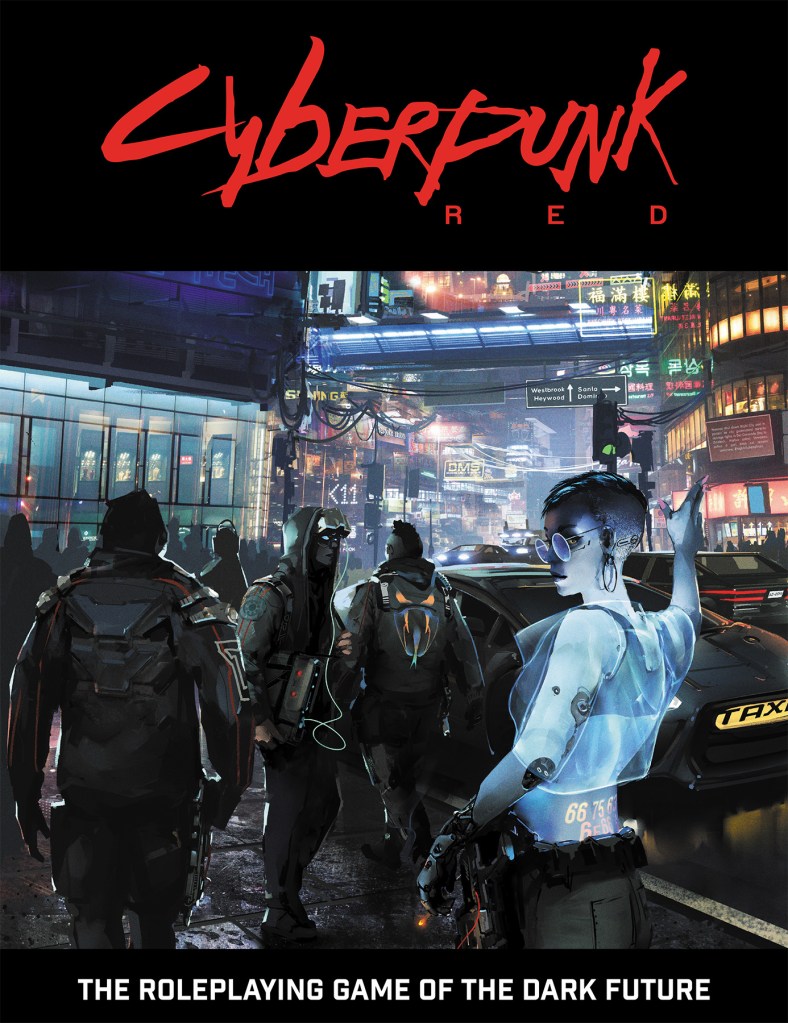
Rule the neon sprawl with Cyberpunk RED, the near-future game of mercs, megacorps and hard choices from R. Talsorian Games. Fast, deadly action, slick tech and tense heists. If you know Cyberpunk 2077, you already feel the grit and style.
View system: CyberpunkShadowrun
Neon streets, ruthless megacorps, and awakened magic collide. In Shadowrun you are professional criminals pulling heists, cracking systems, and bargaining with spirits. Think Blade Runner with elves and spells, run by a pro Game Master who keeps the chaos sharp and fun.
View system: ShadowrunOrbital Blues
Drift the fringe as outlaw spacers juggling jobs, debts, and heartache. Orbital Blues is a rules-light space western of heists, close calls, and found family. Think Cowboy Bebop, then make it yours across dusty ports and neon dives.
View system: Orbital BluesMörk Borg
Mörk Borg is a rules-light, doom-metal fantasy where the world rots and you try to survive one more night. Brutal, fast and stylish, it plays like Dark Souls filtered through a torn black-metal zine. Perfect for grim one-shots or a doomed mini-campaign.
View system: Mörk BorgHoney Heist
Steal the sweetest score as a crew of criminal bears. This ultra-light heist game runs fast, big laughs, and gleeful chaos as you balance Bear and Criminal without going full grizzly. Think Ocean's Eleven, but sticky and furry, perfect for first-timers and parties.
View system: Honey HeistWarhammer Fantasy Roleplay
Warhammer Fantasy Roleplay plunges you into the Old World, a grim, disease-ridden land of cults, corruption and hard choices. Think The Witcher, but with black humor and worse odds. Gritty investigations, lethal fights and messy magic, guided by our Game Masters.
View system: Warhammer Fantasy RoleplayShadowdark
Shadowdark is old-school fantasy with modern polish, built for tense, torchlit dungeon crawls and dangerous choices. Quick to learn, fast to play, and lethal enough to keep you sharp. Think The Witcher’s grim tone with classic treasure-hunting and monster stalking.
View system: Shadowdark