Death in Space RPG · Death in Space Roleplaying Game
Death in Space
Your crew rides a patched ship through a quiet, dying star system, hunting salvage and trying to keep the lights on. Death in Space delivers gritty sci fi survival with streaks of the unknown. The rules step aside so tension can breathe. People love it for its rust and risk, the way small choices matter, and the thrill of cracking open a derelict airlock to find either pay dirt or something hungry. It is aimed at adults who want atmosphere, dread, and teamwork under pressure.
With a professional Game Master, a session feels like a slow burn that jumps to sharp action, then hard calls about fuel, oxygen, and what to leave behind. Beginners can jump in quickly, veterans get meaningful danger and consequences. Great for focused friend groups or company teams that like clear goals and tense cooperation. It plays well online or in person for 2 to 6 players over about 3 to 4 hours. Browse available Game Masters to match your tone, from grounded salvage and faction drama to deep, unsettling cosmic weird.
How to play Death in Space
In play you usually roll a single d20 when the outcome is uncertain. Add a relevant ability, try to meet or beat a target number the Game Master sets. Good positioning, the right tool, or help can give you an edge, often by rolling twice and taking the better result. Combat is quick and dangerous, so planning and cover matter. Failures have consequences, but they also feed the push your luck rhythm of the game, giving you limited ways to try again when it counts.
As a player you bring a rough character idea and a willingness to scrape by. You will track dwindling supplies, patch gear, and make calls that keep the crew flying. A professional Game Master prepares a tight job, maps of a derelict or outpost, simple ship or base sheets, evocative details, and safety tools. They set stakes, keep pace, and handle rulings so the fiction stays front and center. If you play online, they will use shared sheets, voice, and a virtual tabletop. See our online play platforms overview.
One-shots focus on a single salvage op or distress call with a clear objective and a hard clock. Expect tense exploration, a spike of danger, and a scramble to get out with something that pays the bills. Campaigns tie jobs together. Your crew earns favors and debts, improves a ship or base, and lives with scars and strange side effects of the void. The Game Master brings returning NPCs and factions, new wrecks to pick over, and downtime choices that matter, building a bleak, compelling survival arc.


Frequently asked questions
Can beginners play, or do we need system knowledge?
Yes. It is rules light, so you can learn as you play. Most checks use one d20 and a straightforward target number. Your Game Master explains everything, provides character sheets, and can offer pregenerated crew if you want to jump in fast. Building characters at the table is quick too. You only need a willingness to make tough calls and work together under pressure. Sci fi knowledge is optional.
How deadly is it, and what happens if my character dies?
It is dangerous by design. Weapons hurt, gear fails, oxygen runs low, and bad positioning matters. Characters can die, but the GM keeps you in the story. If someone is taken out, a backup arrives fast, like a dockhand, a rescued tech, or another crewmate from the ship. Consequences feel real, not punitive. Before play, the GM checks comfort levels and tunes risk so tension stays fun for your group.
How is Death in Space different from D&D?
No classes or levels. You are scrappy workers, not heroes with spell lists. The loop is survival and salvage, not dungeon clearing. Combat is quick and risky, so planning and cover beat big powers. Weirdness leans toward eerie signals and void effects rather than fireballs. Your ship and dwindling supplies are central. Progress is fixing things, paying debts, and choosing what to risk next, not counting XP totals.
How scary is the tone, and is it OK for my group?
It leans into dread, isolation, and hard choices. Think failing lights, stale air, and hints of something wrong. It can include body horror and cosmic strangeness, but the dial is adjustable. Your Game Master reviews lines and veils, uses safety tools, and keeps consent front and center. Want grounded salvage, or weirder cosmic vibes? Pick a GM whose style fits on our playstyles overview.
Do we get a ship or station, and can we upgrade it?
Yes. The crew usually starts with a battered ship or a cramped outpost that has quirks and malfunctions. In a one shot you get a functional but dented ride that fits the mission. In a campaign you repair, trade, and bolt on upgrades, while new breakdowns crop up if you cut corners. The hub becomes a shared project and a source of tough calls when money and parts run short.
Which edition do you use, and do I need the book?
There is one current set of core rules from Free League, and that is what your Game Master runs. You do not need to own or read the book. Expect concise character sheets, gear tags that matter, and void points that let you push your luck at a cost. The GM brings references, maps, and pregenerated characters if you prefer to start fast.
Does it work well online with maps and atmosphere?
Yes. The moody, claustrophobic feel works great online. Your Game Master uses shared sheets, dark maps with limited visibility, audio cues like engines and radio static, and handouts for schematics or manifests. Voice chat is enough, cameras optional. Headphones help. For tools used and what to expect, see our online play setup overview.
Booking Form


Sent!

Nat 1, try again!
Please try again or email info@storyforgers.com
Survival
Cold nights, empty packs, and hard choices. Survival tales test grit and teamwork as you ration supplies, outsmart nature, and face human…
View genre: Survivalby Tristan the Lowly Wizard Gritty
Hard choices, scarce resources, and consequences that stick. Think Game of Thrones when trust is fragile, debts come due, and survival has…
View genre: Grittyby Tessa Cosmic Horror
Reality tilts, secrets whisper, and your choices feel tiny beneath indifferent stars. Cosmic dread and investigative mystery, in the vein…
View genre: Cosmic HorrorPost-Apocalyptic
Dusty highways, cracked cities, and hard choices after the fall. Think The Last of Us as you scavenge, barter, and protect your people in a…
View genre: Post-Apocalypticby Tessa Survival Horror
Nerve-tightening horror where every bullet, battery, and breath counts. Think The Last of Us, with tense scavenging, fragile hope, and…
View genre: Survival HorrorTreasure Hunting
Race through ruins and shipwrecks to claim lost riches, decoding maps, outsmarting traps, and outpacing rivals. Fast, clever, and…
View genre: Treasure HuntingWeird
Slip into strange spaces where reality misbehaves, logic frays, and awe sits beside dread, like Annihilation. Expect impossible biology…
View genre: WeirdHigh Fantasy
Vast kingdoms, ancient magic, and heroes on dangerous quests to save more than a town, maybe the world. Think The Lord of the Rings, where…
View genre: High FantasyDark Fantasy
Gritty magic, frail hope, and choices that stain as monsters wear human faces and the cost of victory cuts deep. Think The Witcher, but the…
View genre: Dark Fantasy


Ten Candles
Ten Candles is a one‑shot, tragic horror story told in a room lit by candles. With each scene, another light goes out and the darkness closes in. Think The Mist, but everyone knows it ends badly, and that is what makes the journey gripping.
View system: Ten CandlesALIEN: The Roleplaying Game
Stalk the dark between the stars with ALIEN: The Roleplaying Game, a cinematic survival horror experience. Stress fuels panic and hard choices as you fight to survive. If Ridley Scott's Alien hooked you, this delivers that same cold-sweat dread at the table.
View system: ALIEN: The Roleplaying GameForbidden Lands
Roam a cursed wilderness in open-world survival fantasy, mapping it hex by hex and scavenging to see tomorrow. Think Skyrim with harsher choices and less magic. A professional Game Master turns ruins, rivals, and hunger into hard-won treasure and tales you will brag about.
View system: Forbidden LandsNumenera
Numenera is science fantasy set in the Ninth World, a far-future Earth littered with miraculous relics. Explore ruins, meet strange cultures, and turn lost tech into wonder. If Horizon Zero Dawn's ancient mysteries hooked you, this game scratches the same itch.
View system: NumeneraDread
Dread is a one-shot survival horror RPG that trades dice for a tumbling block tower. Each pull raises the stakes and your pulse. Think The Thing at your table, where fear, tough choices, and human flaws decide who makes it out.
View system: DreadThe Quiet Year
Guide a struggling community through one year of rebuilding before the Frost Shepherds arrive. The Quiet Year is a gentle, post-apocalyptic map-drawing story game for reflective one-shots. Think Station Eleven, but you sketch the world as you go.
View system: The Quiet YearVagabond
Vagabond is a light survival RPG of hard miles, scarce supplies, and quiet wins. Think The Oregon Trail, but you decide the risks and tell the story together. Travel ruined roads or deep woods, meet wary locals, and see how far your grit and teamwork can take you.
View system: VagabondCall of Cthulhu
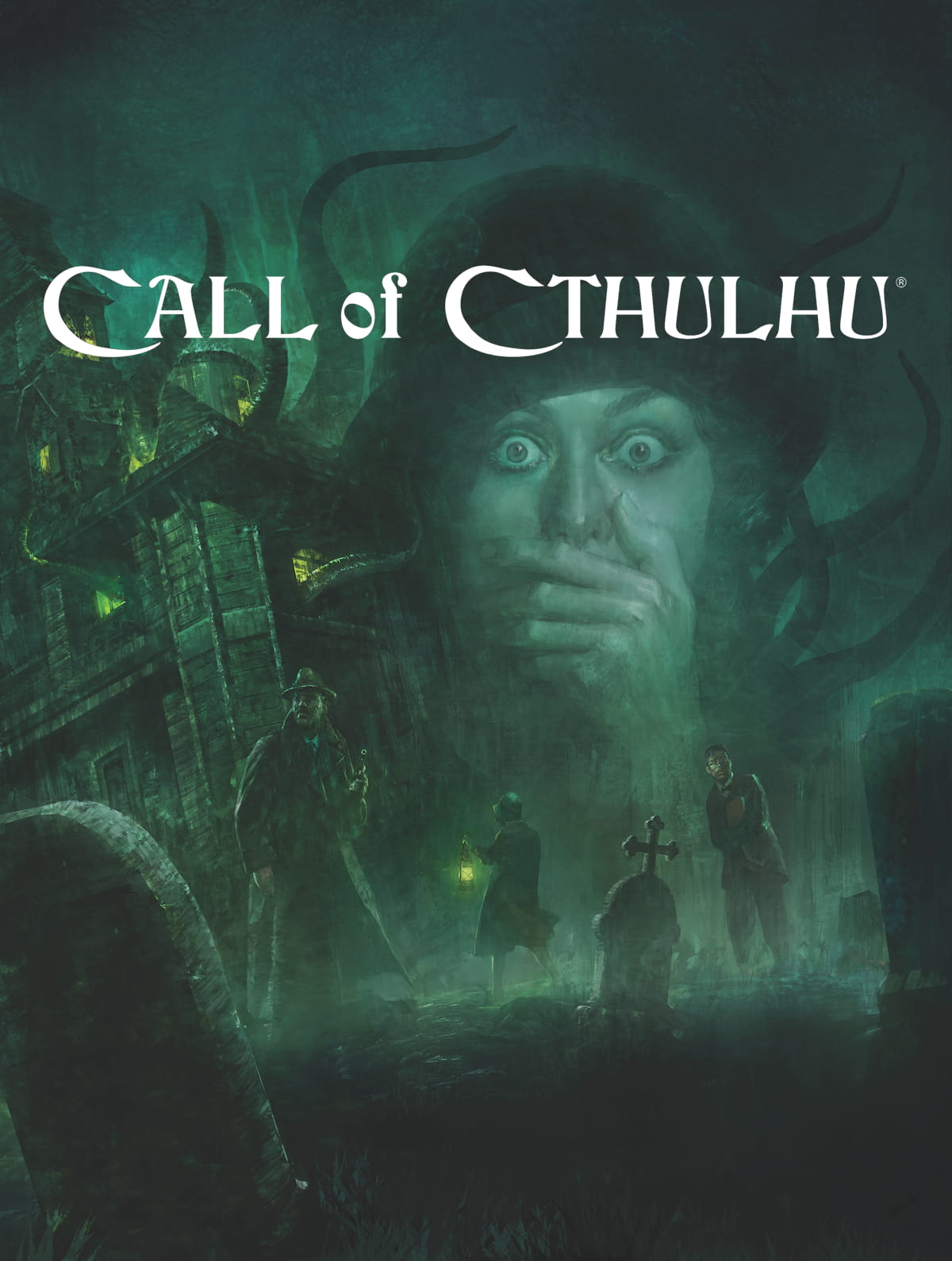
Call of Cthulhu is the classic game of investigative cosmic horror. Play doomed investigators probing occult mysteries and fragile sanity.
View system: Call of CthulhuShadowdark
Shadowdark is old-school fantasy with modern polish, built for tense, torchlit dungeon crawls and dangerous choices. Quick to learn, fast to play, and lethal enough to keep you sharp. Think The Witcher’s grim tone with classic treasure-hunting and monster stalking.
View system: Shadowdark