

Academy
An Academy game feels like the first week on campus stretched into the whole year. You tour dorms, pick electives, and discover secret hallways. Class scenes set goals and spark problems, then afternoons turn into club meetings, scrimmages, or sneaking into the archives. You will juggle friendships, grades, detentions, and the pull of mysteries under the clocktower. Sessions move from light banter to tense tests, with mentors, prefects, and rival teams becoming familiar faces you love to outwit.
At the table it shines because everyone shares a home base and a calendar. That gives clear choices and steady stakes without needing deep lore. Beginners and families enjoy the gentle structure and the focus on character bonds. Teams and company groups like solving campus challenges together and comparing report cards at the end. Veterans get rich long arcs, rivalries that mature, and high-pressure events like exams, festivals, and tournaments where clever plans and teamwork pay off.
Our Game Masters run school stories in D&D 5e, Kids on Brooms, Masks: A New Generation, Fate, Monster of the Week, and even Call of Cthulhu for ivy-covered horror. Tone is yours to set, from wholesome slice-of-life to messy romance, spooky midnight mysteries, or shonen-style showdowns. You can pick mundane campus, magic academy, or superhero training. Browse the game systems we support, then tell your GM the vibe, power level, and age range you want.
Frequently asked questions
How is an Academy game different from others?
Academy games center on campus life. Your group lives in the same dorms and follows the same schedule, so scenes grow from timetables, teachers, and clubs rather than treasure maps. Stakes are personal, like grades, team standings, and reputation, with rivals and mentors you will see often. Adventures look like duels, scrimmages, festivals, field trips, pranks, and midnight investigations. Campaigns move through terms and big events, building friendships and grudges. It is less about wilderness travel, more about juggling studies, relationships, and rules while sneaking in trouble.
Which systems fit school stories best?
Pick the engine that matches your school. Magical classes with wands fit Kids on Brooms or a light-touch D&D 5e. Superhero training sings in Masks. Monster of the Week suits investigative clubs and campus mysteries. Fate handles any mix of clubs, aspects, and creative stunts. Call of Cthulhu delivers ivy-covered horror and fraught exams. Your Game Master will tune mechanics for house points, exams, and club progress. If you want to compare options, see the systems we support here: game systems.
Is this good for beginners or younger players?
Yes. The routine of classes and clubs gives clear next steps, so new players always know what to do. Your Game Master can keep challenges non-lethal and focus on puzzles, teamwork, and friendly rivalry. Romance is opt in, and topics like bullying or detention are handled with boundaries you set together. For younger groups, the GM can simplify rules and use school-friendly mechanics like badges, house points, or goals instead of damage. To find a GM who matches your preferred tone, browse GM playstyles.
What happens in a one-shot Academy session?
In a single session, you start in a shared moment like orientation, homeroom, or a big game day. Expect a quick class scene to set stakes, then a central challenge such as club tryouts, a haunted library rumor, or a heated scrimmage. There is usually a caper, duel, or investigation on campus that pushes your teamwork. You close with outcomes like grades, house points, or a trophy, and brief epilogues that hint at rivalries or secrets to explore if you schedule another visit to campus.
Booking Form


Sent!

Nat 1, try again!
Please try again or email info@storyforgers.com
Kids on Brooms
Kids on Brooms is a light, story-first RPG about students at a magical school. Solve mysteries, cast risky spells, and balance classes with friendships and rivalries. Think Harry Potter-style adventures, tailored to your group by a professional Game Master.
View system: Kids on BroomsMasks: A New Generation
Masks is the teen superhero RPG where your powers are big and your feelings are bigger. Team up, face villains, and figure out who you are as the city watches. Think the messy heart of Spider-Man blended with fast, story-first action.
View system: Masks: A New GenerationMutants & Masterminds
Mutants & Masterminds lets you design any superhero, from street vigilante to cosmic guardian, then face daring rescues, clues, and high-flying battles. Think The Avengers, but starring you, tuned to your tone by a professional Game Master.
View system: Mutants & MastermindsTeenagers from Outer Space
Teenagers from Outer Space is a light, anime-style comedy RPG about high school crushes, alien exchange students, and spectacular misunderstandings. Think Ranma 1/2-style hijinks, but with rayguns and ramen clubs. Easy to learn for first-timers and a treat for mixed-age groups.
View system: Teenagers from Outer SpaceDungeons & Dragons
Forge your own fantasy tale with Dungeons & Dragons. Create a party of bold heroes, outsmart traps, bargain with dragons, and claim treasure in vivid worlds. Think the fellowship spirit of The Lord of the Rings, only you choose the paths, the battles, and the ending.
View system: Dungeons & DragonsCall of Cthulhu
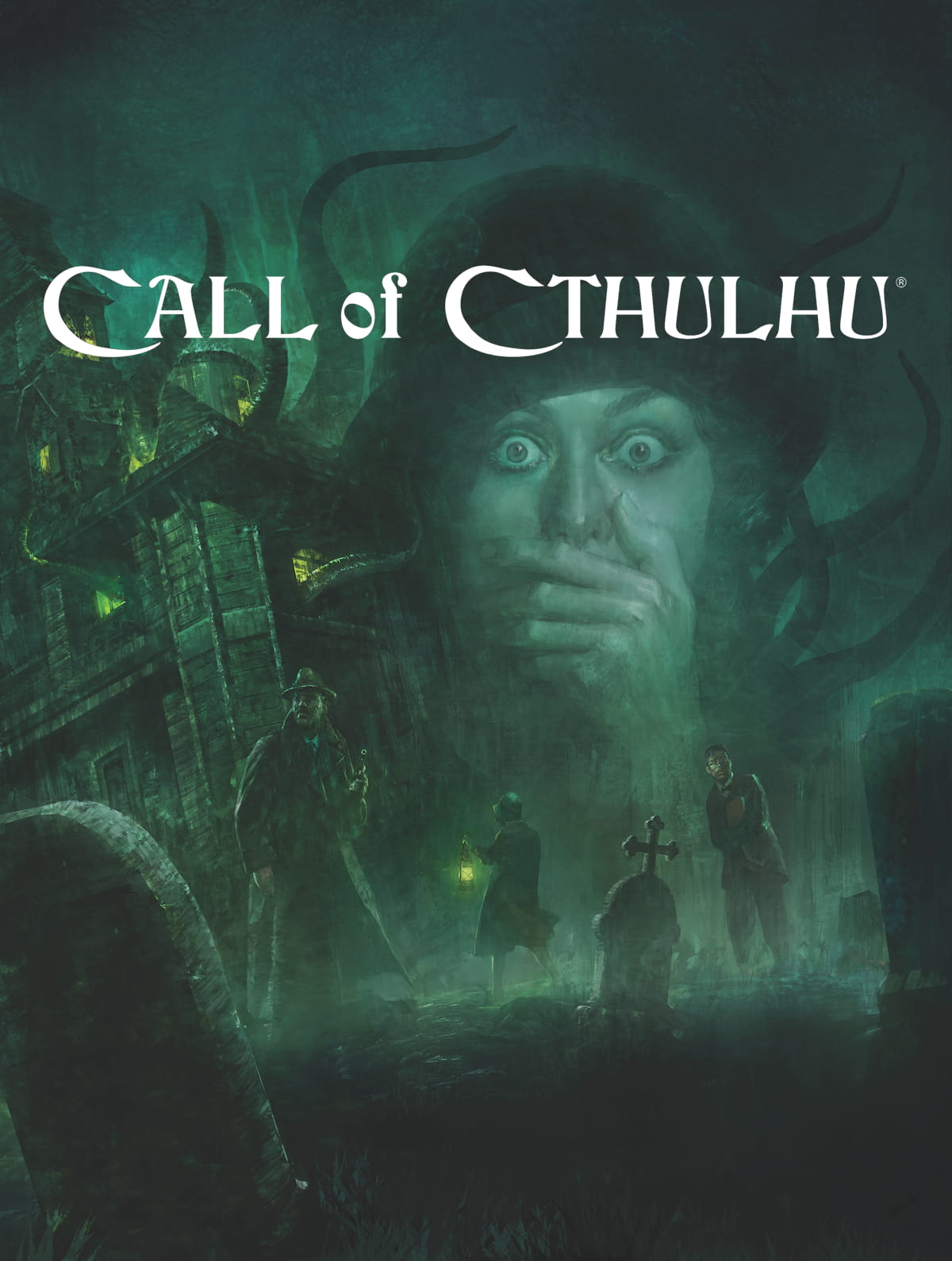
Call of Cthulhu is the classic game of investigative cosmic horror. Play doomed investigators probing occult mysteries and fragile sanity.
View system: Call of CthulhuDaggerheart
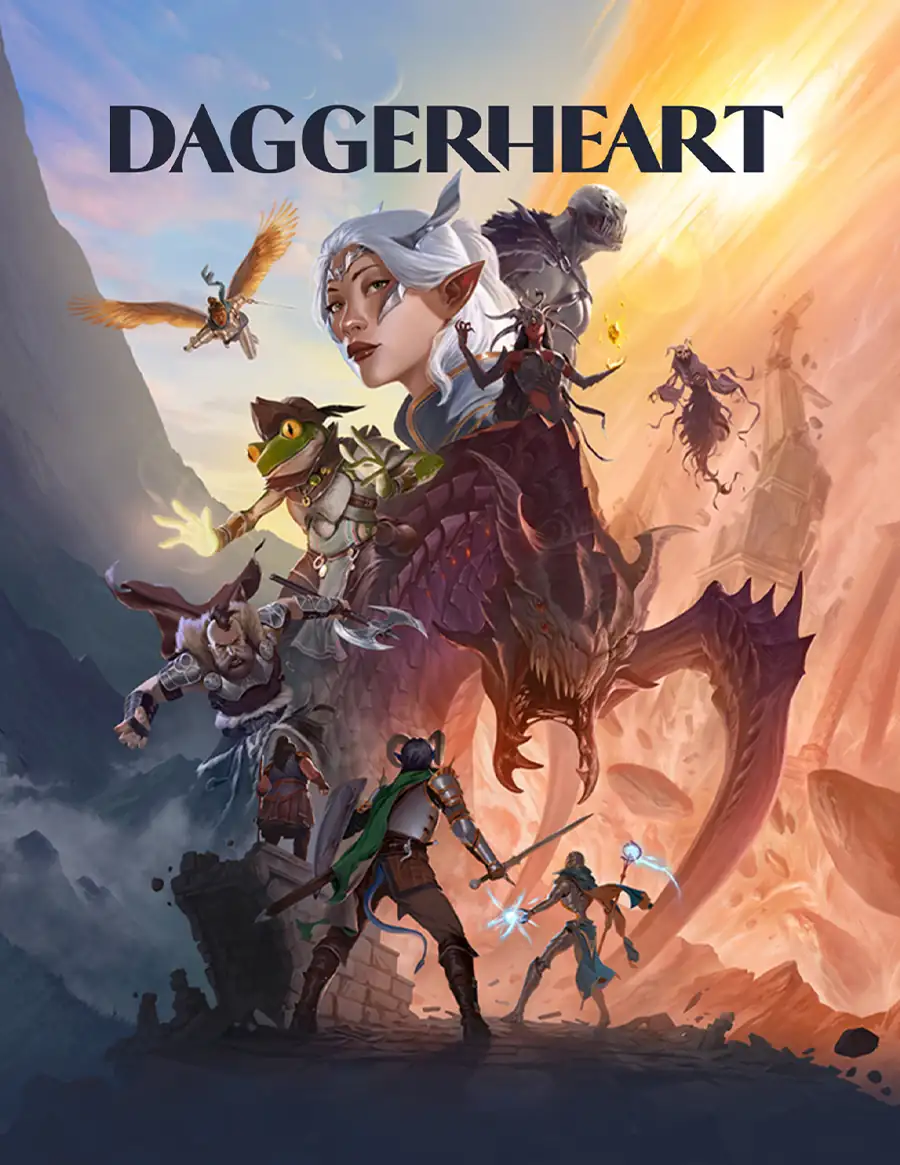
Daggerheart is a high-fantasy RPG where every roll uses Hope and Fear d12s. Big heroics meet meaningful consequences in fast, story-first play.
View system: DaggerheartVampire: The Masquerade
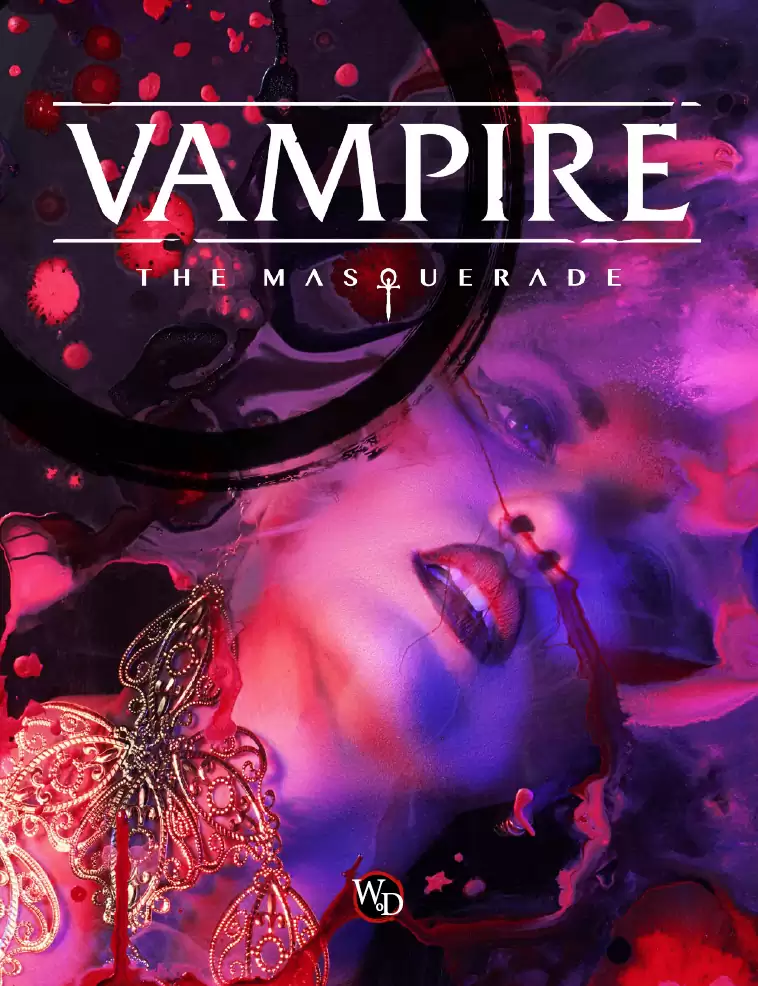
Vampire: The Masquerade is modern-night roleplay about hunger, power and secrecy. Think Interview with the Vampire, but you make the calls. Scheme, seduce and survive as a coterie while a professional Game Master brings a city of dark politics to life.
View system: Vampire: The MasqueradeCyberpunk
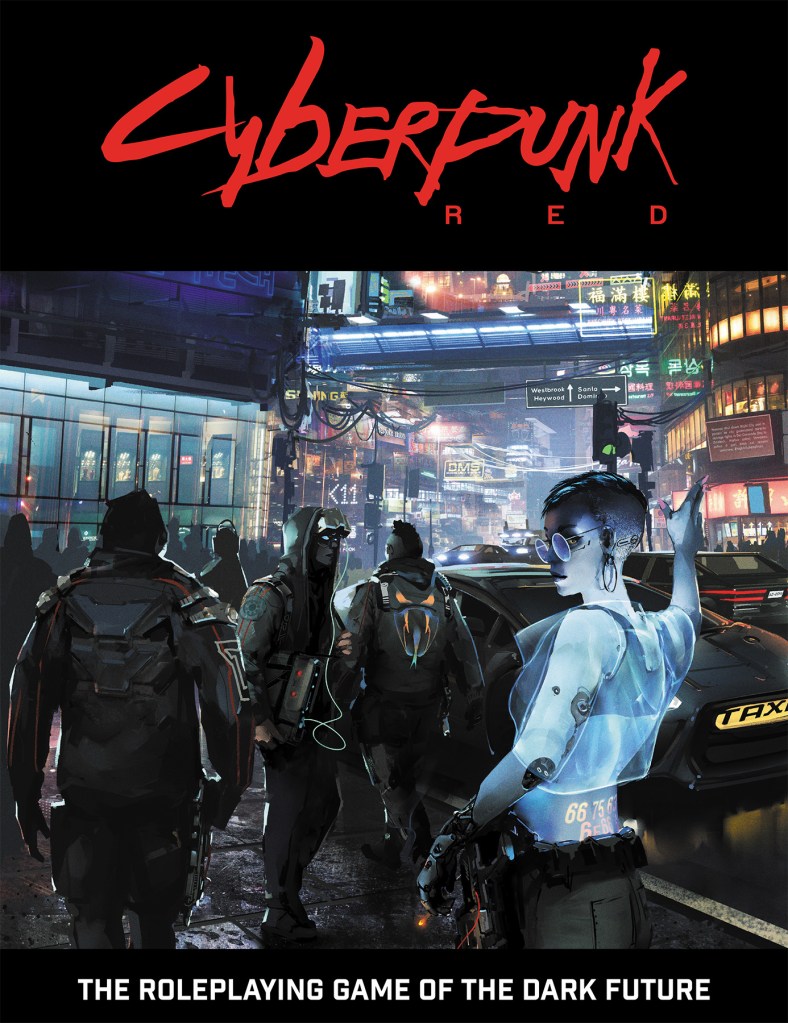
Rule the neon sprawl with Cyberpunk RED, the near-future game of mercs, megacorps and hard choices from R. Talsorian Games. Fast, deadly action, slick tech and tense heists. If you know Cyberpunk 2077, you already feel the grit and style.
View system: Cyberpunk



by Amber Superhero
High-speed fights, moral choices, and secret lives. Think Spider-Man, with powers that change the odds and a city that needs saving. Suit…
View genre: SuperheroLighthearted
Play upbeat, low-stakes adventures full of quick laughs, clever fixes, and friendly NPCs. Think The Princess Bride, with banter, charming…
View genre: LightheartedWhimsical
Playful fantasy where logic takes tea breaks and kindness solves problems. Think Alice in Wonderland, with curious rules, quirky friends…
View genre: WhimsicalMystery
Follow the clues, build timelines, and catch the culprit. Think Knives Out, but you are the detective, piecing together alibis and secrets…
View genre: Mysteryby Amber Anime
Big feelings, bold archetypes, and kinetic fights. Build your crew, trade rival banter, and level up in stories that hit like My Hero…
View genre: AnimeFound Family
Misfits become home to each other, with midnight jokes, shared scars, and promises that stick. Think Guardians of the Galaxy, but your…
View genre: Found Familyby Tessa Supernatural
Unseen forces close in. You hunt answers through haunted houses, cursed towns, and sacred rites where ghosts, omens, and miracles blur fear…
View genre: SupernaturalHeroic
Stand tall, choose the right thing, and win the day. Heroic games feel like The Lord of the Rings, with bold vows, last stands, rescued…
View genre: HeroicComedy
Lighthearted adventures where the punchline matters as much as the plot. Think Monty Python and the Holy Grail energy at the table, with…
View genre: Comedy


