

Battle Royale
Drop into a hostile zone with nothing but your wits. You sprint for cover, pry open crates, and weigh every footstep. The safe area shrinks, funnels rivals together, and turns quiet scouting into sudden firefights. Quick alliances form at a glance, then shatter when the circle closes. Traps, vertical climbs, smoke, and decoys shape every skirmish. The last minutes are a blur of breathless chases, desperate gambles, and one clean roll that decides who walks out.
Battle Royale shines as a one shot or event game because goals are simple, turns are fast, and tension stays high. Competitive friends and office teams enjoy the friendly rivalry and shifting pacts. New players learn quickly with clear stakes and easy choices, while veterans savor the mind games and positioning puzzles. Families can enjoy it too when run as nonlethal tag, capture, or objectives instead of knockouts. It plays great online with shared maps and tokens, and in person with table props and timers.
Our Game Masters can run Battle Royale in many styles, from tactical fantasy arenas in D&D 5e to rules light skirmish engines and custom scenarios. Tone is adjustable: gritty survival with scarce ammo, a zany game show with sponsors and hazards, or a nonlethal capture mode with respawns. You choose free for all or squads, hidden objectives or straight last one standing. The GM keeps spotlights rotating and conflict fair. Explore popular game systems or ask for a bespoke build.
Frequently asked questions
How is Battle Royale different from a dungeon crawl?
A dungeon crawl pits the group against the environment and monsters. Battle Royale pits players against each other. The arena tightens over time, so hiding forever is not an option. You start light on gear and must scavenge or ambush to improve your kit. Alliances are temporary and tactical, not party bonds. Noise, visibility, and elevation matter a lot, because other players are the main threat. The focus is quick decisions, positioning, and risk trades that push everyone toward a final showdown.
Which game systems work best for Battle Royale play?
A professional Game Master can run this in D&D 5e with streamlined arena rules and pregenerated characters, in rules-light skirmish engines, or in custom builds tuned for fast turns and clear line-of-sight calls. The key is simple movement, punchy damage, and easy loot rules. Expect tweaks like fixed loadouts plus crate drops, initiative that keeps the table moving, and terrain hazards on timers. If you want to compare options, browse our overview of game systems and ask for a Battle Royale setup.
Is this beginner friendly? What about kids or families?
Yes. The win condition is simple, and your GM uses pregens, short turns, and clear movement to keep it approachable. For kids or mixed ages, the GM can switch to nonlethal modes like tag, flag capture, or score-by-objectives, and use respawns so no one watches for long. Content can be framed as a game show or training sim rather than gritty survival. If you prefer a gentler or competitive tone, check the styles on GM playstyles and mention what you want when booking.
What if I get eliminated early? Do I sit out?
Not necessarily. Many Battle Royale one-shots include re-entry windows, spectator actions, or fast rounds. Your GM might run respawn waves tied to timers, a quick duel or challenge to return, or spectator influence like calling a supply drop or triggering a hazard. Another option is short matches, best of two or three, so an early exit is only a small pause. The GM will set expectations up front and use tools like shared clocks and rotating spotlights to minimize downtime for everyone.
Booking Form


Sent!

Nat 1, try again!
Please try again or email info@storyforgers.com
Dungeons & Dragons
Forge your own fantasy tale with Dungeons & Dragons. Create a party of bold heroes, outsmart traps, bargain with dragons, and claim treasure in vivid worlds. Think the fellowship spirit of The Lord of the Rings, only you choose the paths, the battles, and the ending.
View system: Dungeons & DragonsCall of Cthulhu
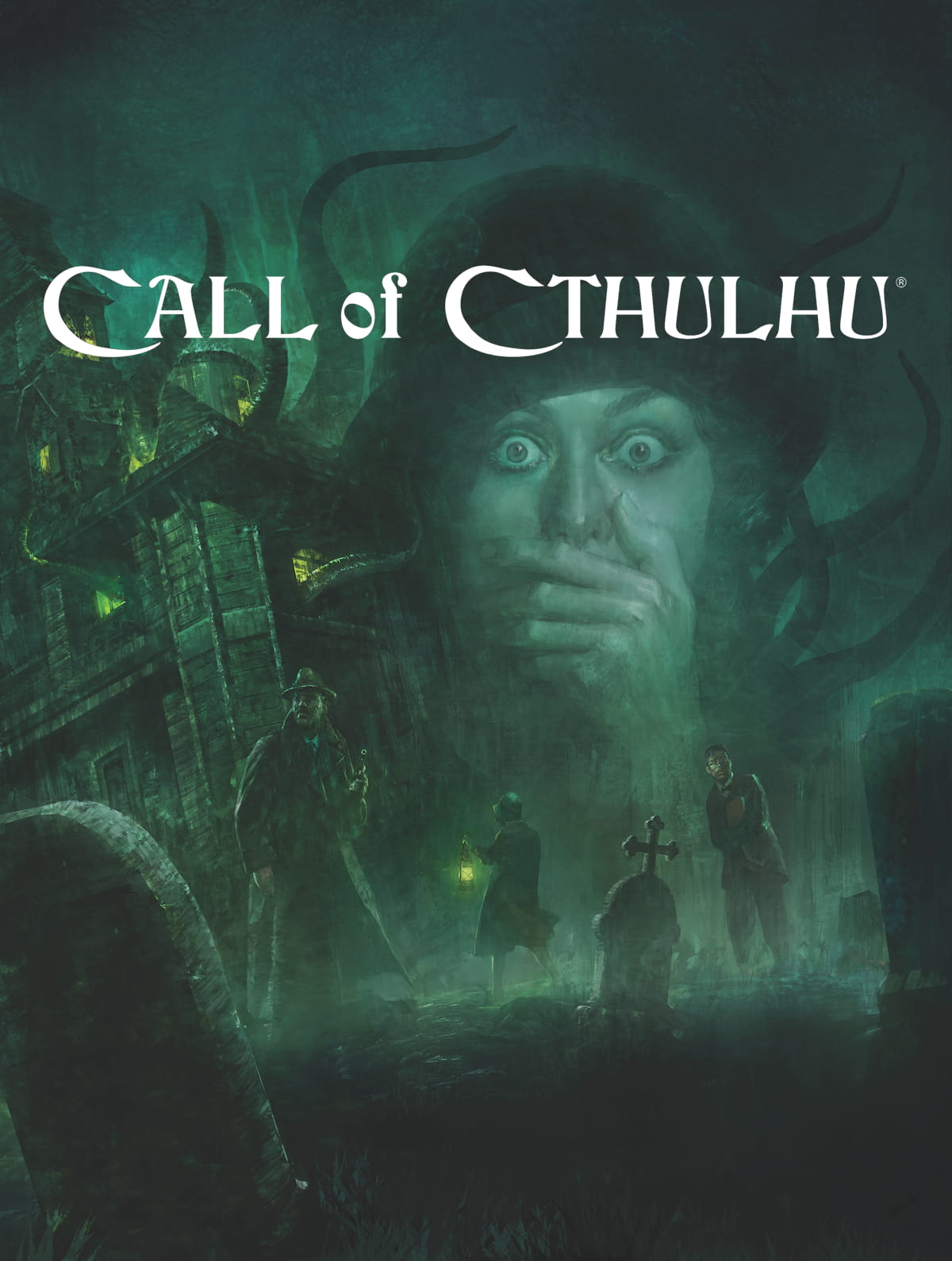
Call of Cthulhu is the classic game of investigative cosmic horror. Play doomed investigators probing occult mysteries and fragile sanity.
View system: Call of CthulhuDaggerheart
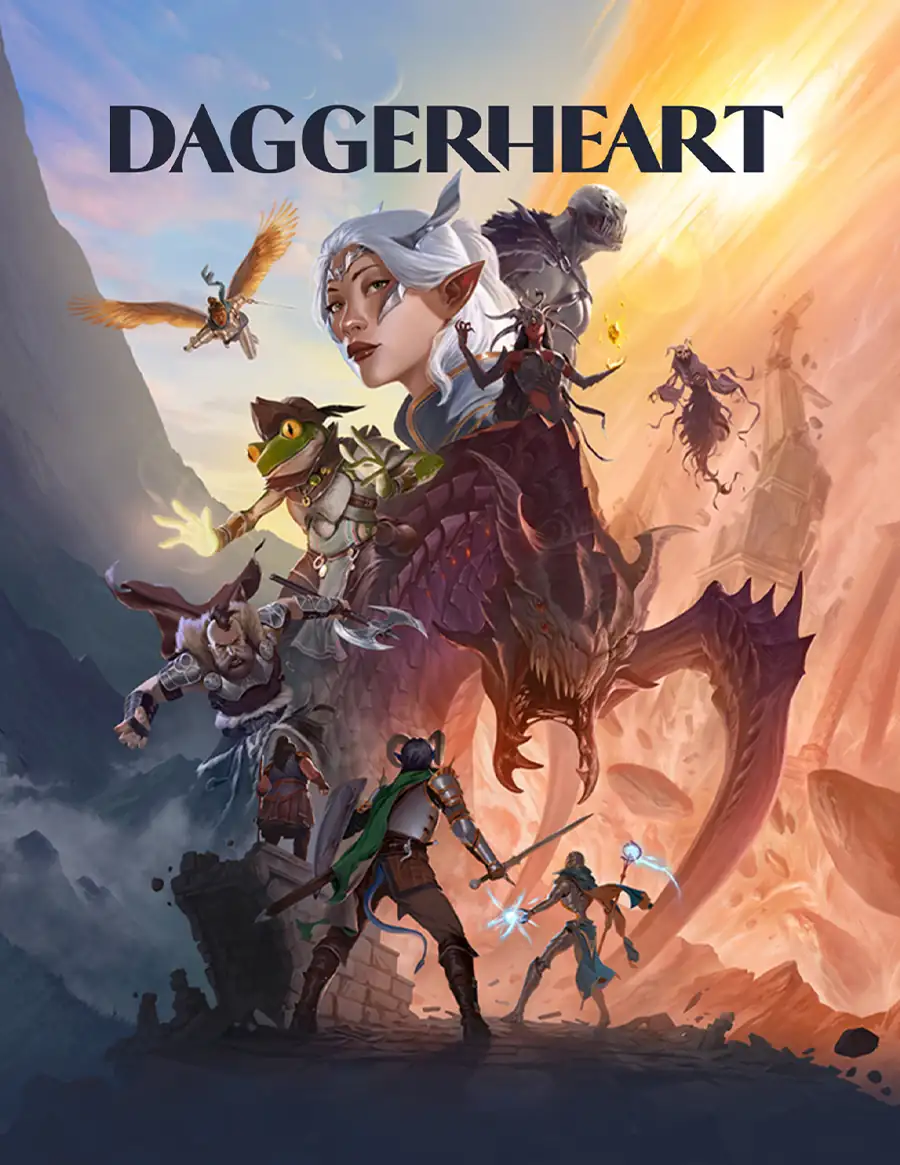
Daggerheart is a high-fantasy RPG where every roll uses Hope and Fear d12s. Big heroics meet meaningful consequences in fast, story-first play.
View system: DaggerheartVampire: The Masquerade
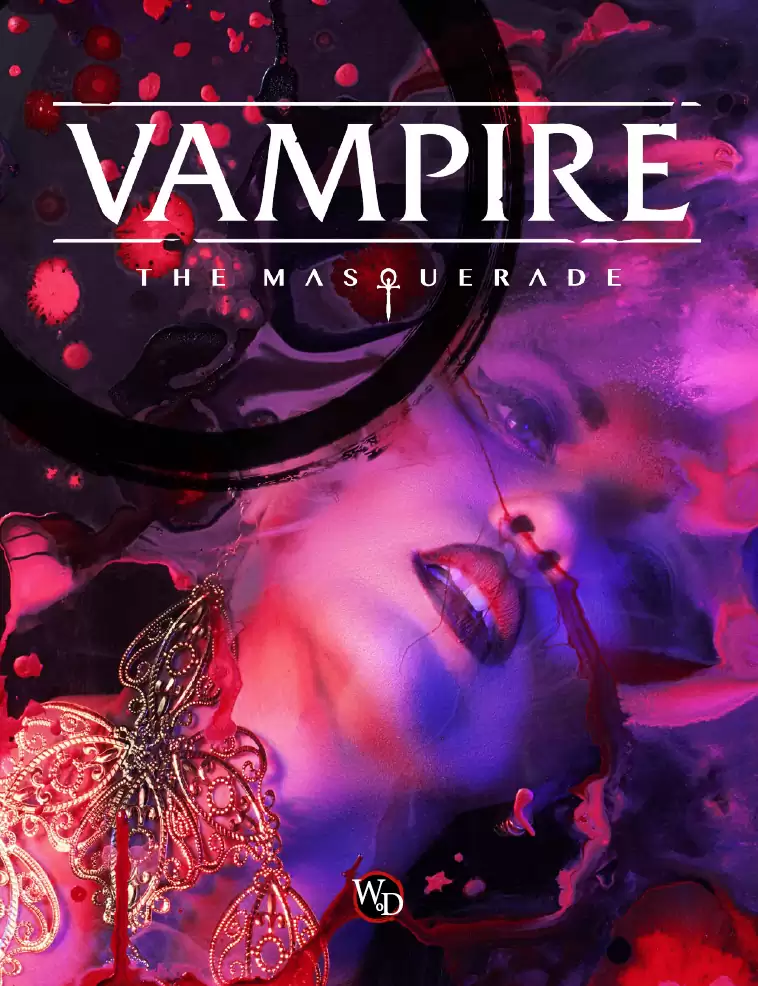
Vampire: The Masquerade is modern-night roleplay about hunger, power and secrecy. Think Interview with the Vampire, but you make the calls. Scheme, seduce and survive as a coterie while a professional Game Master brings a city of dark politics to life.
View system: Vampire: The MasqueradeCyberpunk
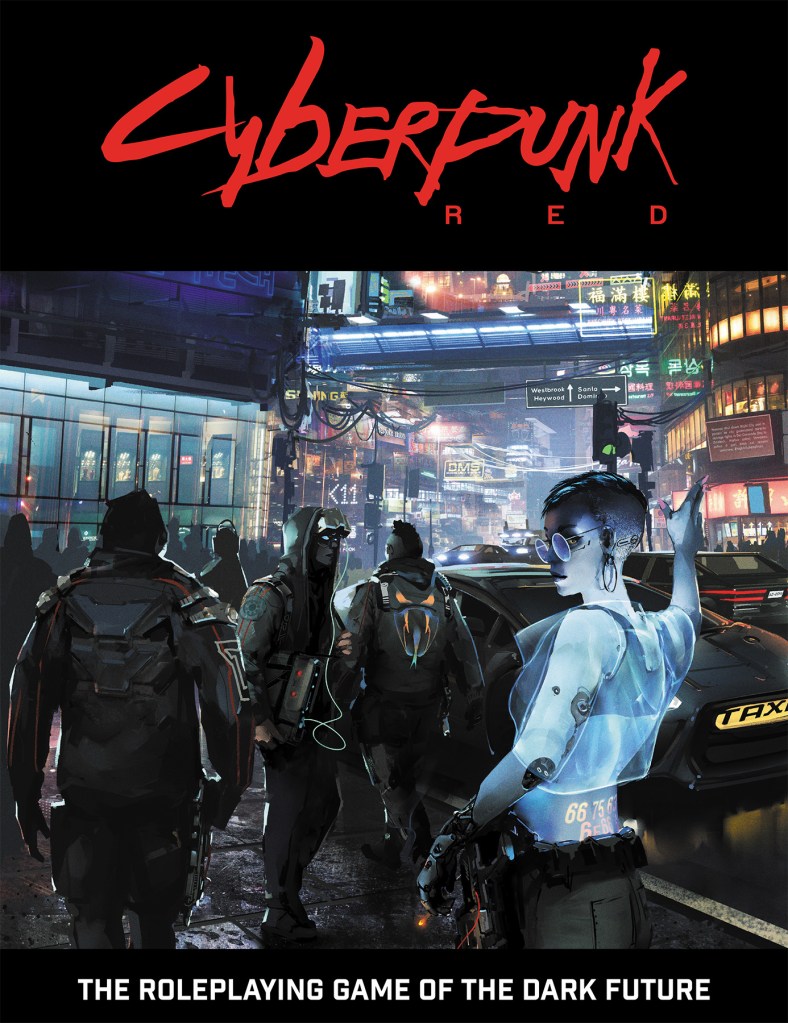
Rule the neon sprawl with Cyberpunk RED, the near-future game of mercs, megacorps and hard choices from R. Talsorian Games. Fast, deadly action, slick tech and tense heists. If you know Cyberpunk 2077, you already feel the grit and style.
View system: CyberpunkLancer
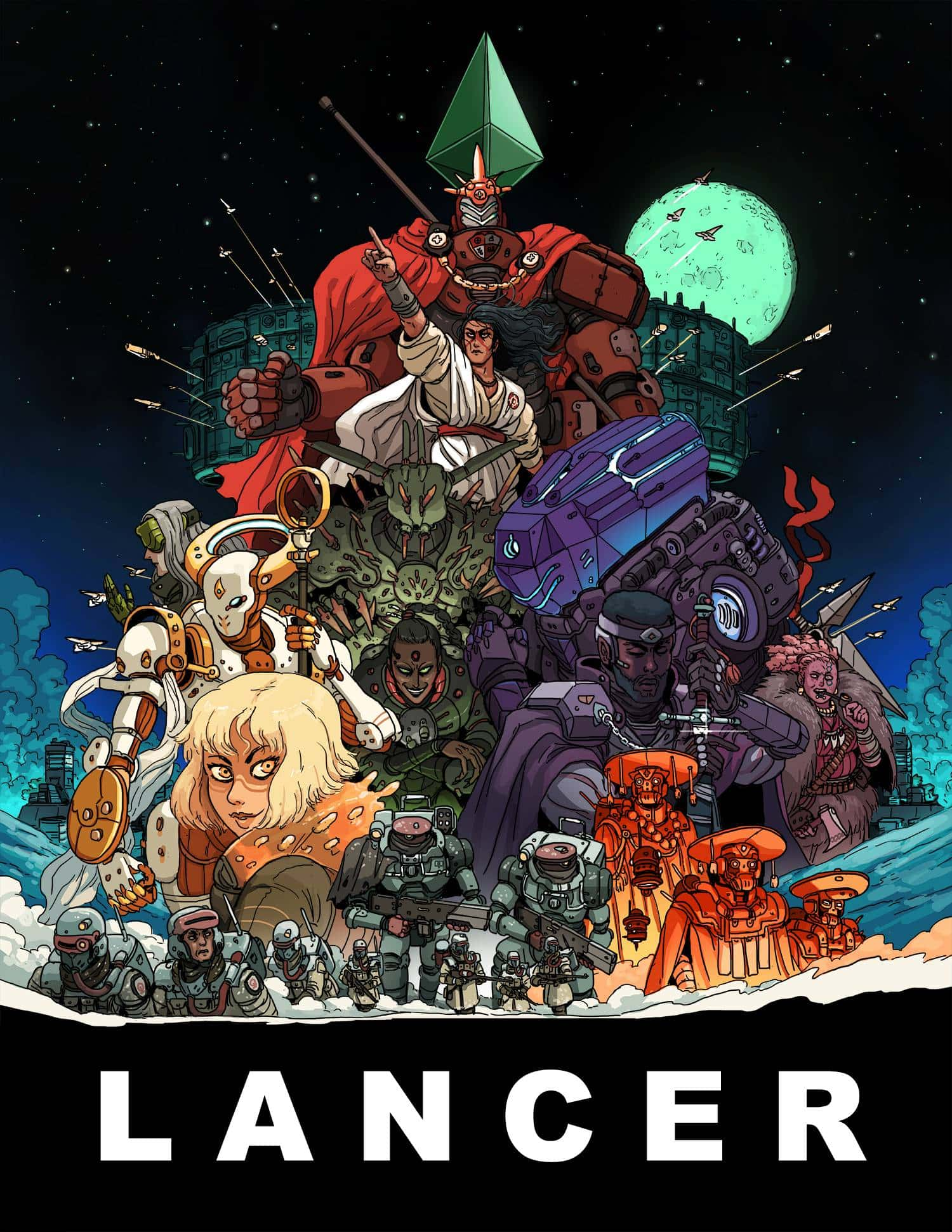
Pilot a custom-built mech in high-stakes missions that blend sharp tactics with character drama. Lancer delivers crunchy battles and sweeping sci-fi about duty, politics, and hope. If you love Gundam, you will feel right at home.
View system: LancerStarfinder
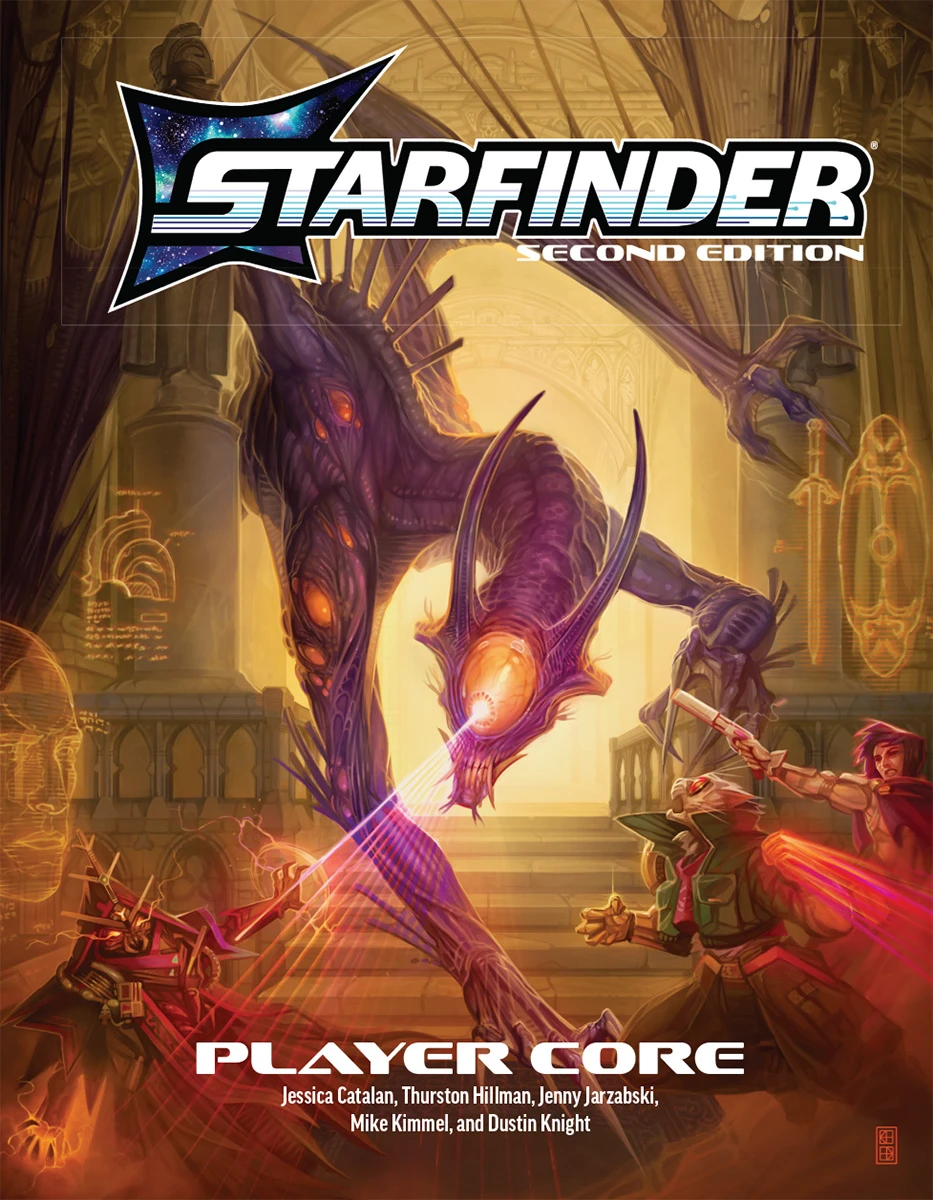
Starfinder is Paizo’s science-fantasy of blaster fights, spell-slinging technomancers, and starship showdowns. Think Mass Effect with magic. Our Game Masters guide you through strange worlds, daring heists, and alien mysteries that reward teamwork and bold choices.
View system: StarfinderWarhammer Fantasy Roleplay
Warhammer Fantasy Roleplay plunges you into the Old World, a grim, disease-ridden land of cults, corruption and hard choices. Think The Witcher, but with black humor and worse odds. Gritty investigations, lethal fights and messy magic, guided by our Game Masters.
View system: Warhammer Fantasy RoleplayALIEN: The Roleplaying Game
Stalk the dark between the stars with ALIEN: The Roleplaying Game, a cinematic survival horror experience. Stress fuels panic and hard choices as you fight to survive. If Ridley Scott's Alien hooked you, this delivers that same cold-sweat dread at the table.
View system: ALIEN: The Roleplaying Game



High Fantasy
Vast kingdoms, ancient magic, and heroes on dangerous quests to save more than a town, maybe the world. Think The Lord of the Rings, where…
View genre: High FantasyDark Fantasy
Gritty magic, frail hope, and choices that stain as monsters wear human faces and the cost of victory cuts deep. Think The Witcher, but the…
View genre: Dark FantasyPirate
Salt spray, creaking decks, and cutlass fights as you chase treasure and rivals across dangerous seas. Swashbuckling adventure like Pirates…
View genre: PirateSteampunk
Victorian grit, brass gadgets, and daring invention. Think Around the World in 80 Days with airships, clockwork automatons, and smokestack…
View genre: SteampunkWhimsical
Playful fantasy where logic takes tea breaks and kindness solves problems. Think Alice in Wonderland, with curious rules, quirky friends…
View genre: WhimsicalMystery
Follow the clues, build timelines, and catch the culprit. Think Knives Out, but you are the detective, piecing together alibis and secrets…
View genre: MysterySurvival
Cold nights, empty packs, and hard choices. Survival tales test grit and teamwork as you ration supplies, outsmart nature, and face human…
View genre: Survivalby Tessa Supernatural
Unseen forces close in. You hunt answers through haunted houses, cursed towns, and sacred rites where ghosts, omens, and miracles blur fear…
View genre: SupernaturalCyberpunk
Neon nights, humming servers, and hard choices. You play hackers, street samurai, and fixers pulling jobs for and against megacorps. Think…
View genre: Cyberpunk

