

Conspiracy
Conspiracy stories put you in the middle of quiet wars. You sift through leaks, stake out safe houses, and meet informants who only speak in half-truths. Clues drip in from burner phones, hacked drives, and whispered favors. A session might jump from a tense interview to a midnight break-in, then a chase through city lights. The board fills with red strings, and every choice risks exposure. Trust is the rarest currency, and the reveal changes what you thought you knew.
At the table, suspense grows as players compare notes and test hunches. Everyone gets a way in, from smooth talkers to code breakers. It is friendly to beginners because clues and scenes point to the next step. Families can keep it light with a Saturday-morning mystery vibe. Team events enjoy the collaboration and social deduction. Veterans love layered plots and hard choices. It also shines online, where handouts, maps, and audio logs make the world feel real.
Our Game Masters run conspiracy across many game systems, from Call of Cthulhu and Delta Green to Night's Black Agents, Vampire: The Masquerade, and other GUMSHOE or narrative rules. They can tune tone and complexity, from gritty realism to occult horror, corporate espionage, or dark comedy. You choose fast paced or methodical, street level or global. If you want a specific ruleset, browse the game systems and pick what fits your group.
Frequently asked questions
How is conspiracy different from mystery or crime?
Mystery asks who did it and how. Crime games center on the heist or case. Conspiracy stories focus on hidden power, cover-ups, and the systems that protect them. You chase connections across people, agencies, and timelines rather than a single culprit. Expect coded messages, moles, and conflicting sources. Deciding who to trust is a constant mechanic, not just color. The action mixes research, social engineering, and tense field work. The final reveal often exposes a larger pattern, giving you a win today and a bigger question for next time.
Which RPG systems fit conspiracy stories best?
Investigation-focused systems shine. GUMSHOE games make core clues accessible and reward follow-up, great for steady momentum. Night's Black Agents fits high-pressure spy thriller play. Delta Green and Call of Cthulhu bring procedural detail and mounting dread. Vampire: The Masquerade highlights secret politics and favors. Fate or Powered by the Apocalypse can run fast, character-centered intrigue. A professional Game Master will suggest a ruleset to match pacing and tone. To compare options before booking, browse the systems overview.
Is this genre good for beginners or kids?
Yes for beginners. The GM structures leads so the table keeps moving, and simple character sheets or pregens get you playing quickly. Rules can be kept light with clear moves for research, infiltration, and pressure scenes. For kids or mixed ages, the tone can pivot away from graphic content toward puzzles, quirky front groups, and daring sneaks. Player consent and lines are covered up front. If your group enjoys solving problems together and talking through hunches, this genre clicks fast even without prior RPG experience.
What should we expect in a one-shot session?
A one-shot runs 3 to 4 hours with a tight arc. You start from a clear spark, like a leaked photo, a dead drop gone missing, or a suspicious audit. Expect two to three investigative beats, such as surveillance, an interview under pressure, and a quick breach. Clues are structured to avoid stalls, with choices that trade risk for results. The climax asks you to expose, bargain, or walk away. Pregenerated characters and ready handouts keep pace. For remote tables, see our online play platforms.
Booking Form


Sent!

Nat 1, try again!
Please try again or email info@storyforgers.com
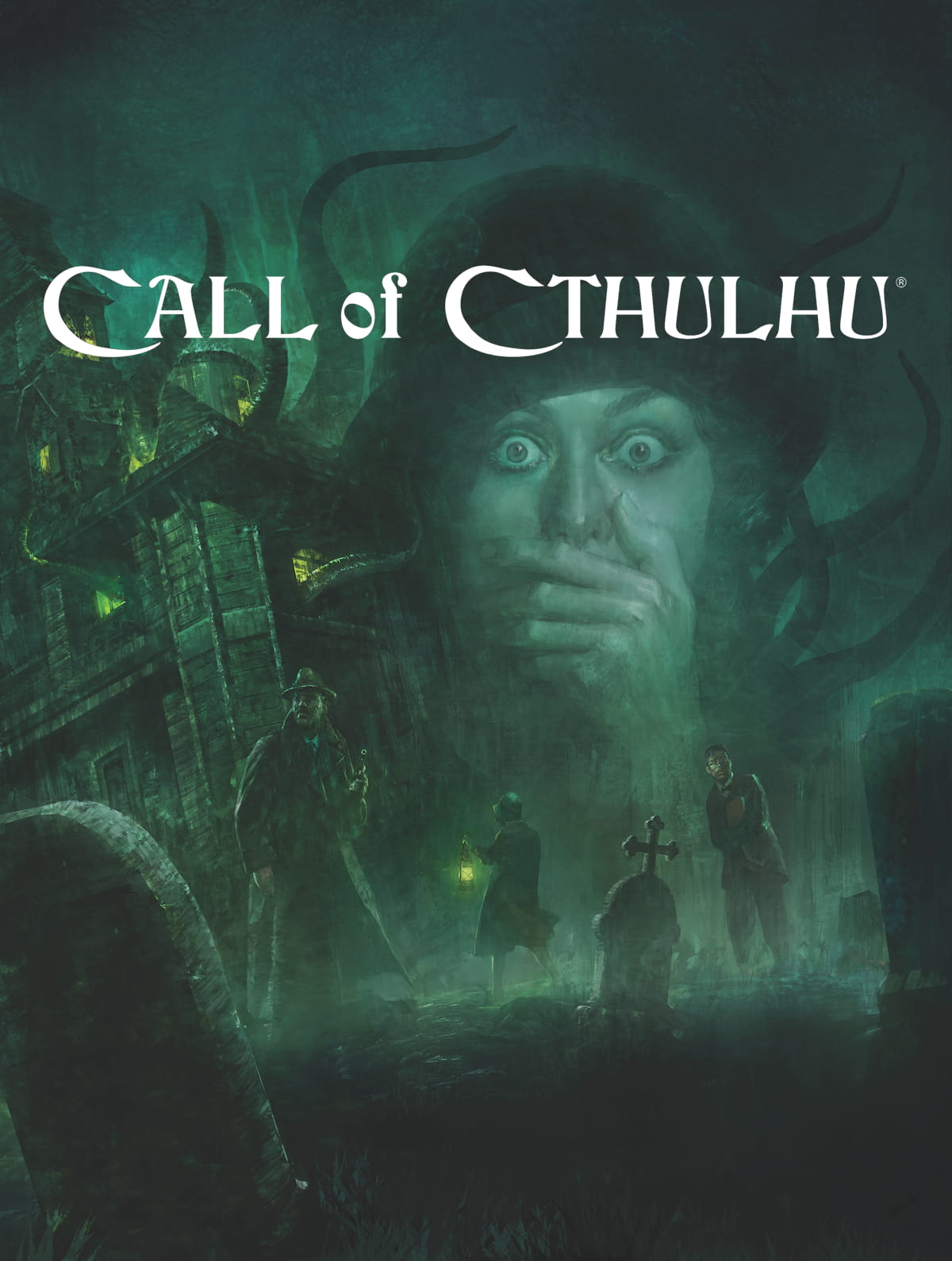
Call of Cthulhu
Call of Cthulhu is the classic game of investigative cosmic horror. Play doomed investigators probing occult mysteries and fragile sanity.
View system: Call of CthulhuVampire: The Masquerade
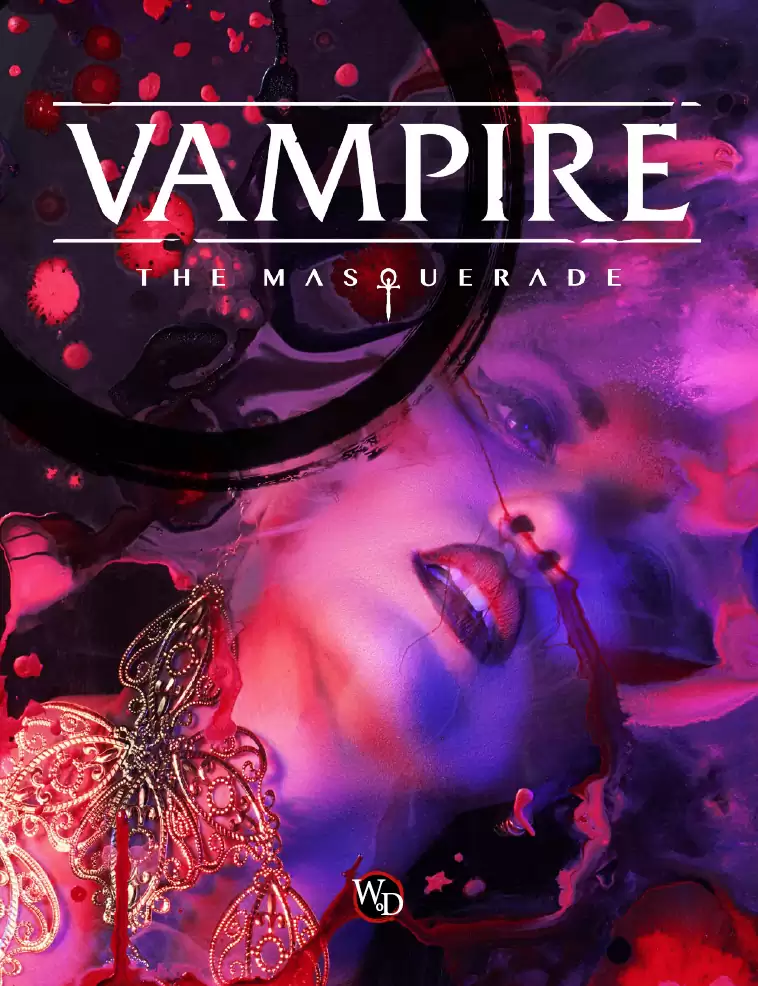
Vampire: The Masquerade is modern-night roleplay about hunger, power and secrecy. Think Interview with the Vampire, but you make the calls. Scheme, seduce and survive as a coterie while a professional Game Master brings a city of dark politics to life.
View system: Vampire: The MasqueradeCyberpunk
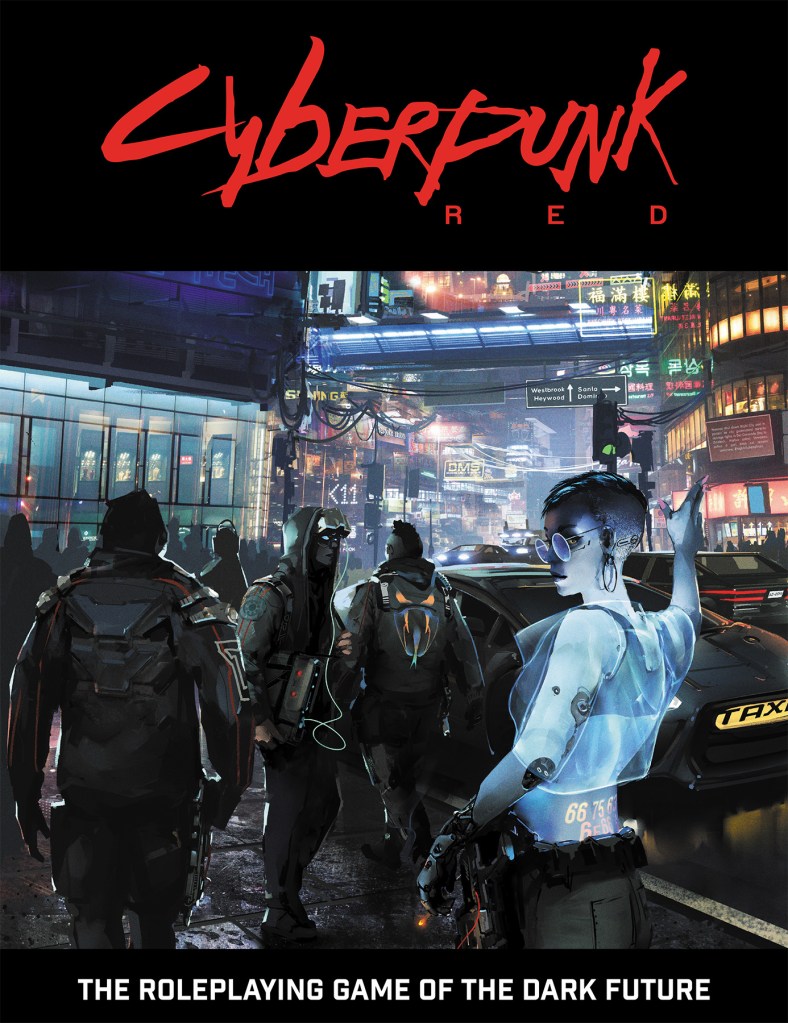
Rule the neon sprawl with Cyberpunk RED, the near-future game of mercs, megacorps and hard choices from R. Talsorian Games. Fast, deadly action, slick tech and tense heists. If you know Cyberpunk 2077, you already feel the grit and style.
View system: CyberpunkWarhammer Fantasy Roleplay
Warhammer Fantasy Roleplay plunges you into the Old World, a grim, disease-ridden land of cults, corruption and hard choices. Think The Witcher, but with black humor and worse odds. Gritty investigations, lethal fights and messy magic, guided by our Game Masters.
View system: Warhammer Fantasy RoleplayALIEN: The Roleplaying Game
Stalk the dark between the stars with ALIEN: The Roleplaying Game, a cinematic survival horror experience. Stress fuels panic and hard choices as you fight to survive. If Ridley Scott's Alien hooked you, this delivers that same cold-sweat dread at the table.
View system: ALIEN: The Roleplaying GameMonster of the Week
Hunt monsters, solve weird mysteries, and save people before dawn. Monster of the Week is a fast, story-first game of small-town scares and urban legends, perfect for one-shots or campaigns. Think road-tripping leads and desperate showdowns, like Supernatural.
View system: Monster of the WeekMothership
Mothership is sci-fi survival horror where you are spacers scrambling to stay alive as systems fail and something hunts you. Think Alien's tense corridors and hard choices. A professional Game Master guides 2 to 5 players through nail-biting one-shots or mini-campaigns.
View system: MothershipDelta Green
Delta Green is modern-day cosmic horror and conspiracy. You play agents who face impossible threats, cover them up, and pay the personal cost. Think The X-Files with sharper teeth, where victories are fragile and sanity is on the line.
View system: Delta GreenWerewolf: The Apocalypse
Fight for a dying world as a werewolf in Werewolf: The Apocalypse. You and your pack hunt corruption in city streets and wild places, torn between fury and duty. Think Underworld, but you are the monsters with a cause, bound by tribe, spirit, and an oncoming doom.
View system: Werewolf: The Apocalypse


Mystery
Follow the clues, build timelines, and catch the culprit. Think Knives Out, but you are the detective, piecing together alibis and secrets…
View genre: MysteryOccult
Candlelit rituals, cryptic symbols, and whispered conspiracies. Think The X-Files as you chase clues through secret lodges and hidden…
View genre: Occultby Tristan the Lowly Wizard Gritty
Hard choices, scarce resources, and consequences that stick. Think Game of Thrones when trust is fragile, debts come due, and survival has…
View genre: Grittyby Tessa Cosmic Horror
Reality tilts, secrets whisper, and your choices feel tiny beneath indifferent stars. Cosmic dread and investigative mystery, in the vein…
View genre: Cosmic Horrorby Tessa Psychological Horror
Tense, intimate horror where your mind is the maze. Think Shutter Island. Doubt your memories, question your allies, and feel dread build…
View genre: Psychological HorrorUrban Fantasy
Neon-lit streets hide ghosts, fae courts, and secret spells. Think The Dresden Files in your city, where missing persons, turf wars, and…
View genre: Urban Fantasyby @a3papier Crime
Pull a slick heist, hunt a killer, or navigate the mob's code. Crime games balance planning, pressure, and moral gray choices, from Ocean's…
View genre: CrimePolitical Intrigue
Whispers in council chambers, favors traded, knives in the dark. Plot like Game of Thrones, where every alliance has a price and your next…
View genre: Political Intrigueby Tessa Survival Horror
Nerve-tightening horror where every bullet, battery, and breath counts. Think The Last of Us, with tense scavenging, fragile hope, and…
View genre: Survival Horror


