

Cosmic Horror
You start grounded and small. A weather-beaten lighthouse, a quarantined village, a silent freighter adrift. Clues refuse to line up. Angles feel wrong, names repeat in murals, tides arrive off schedule. At the table you interview uneasy locals, sift archives, and descend into places that itch at the mind. Dice roll when fear spikes, when you pry open welded doors, when something old notices. Victory is measured in what truth you can bear, or how many you get home before the sky changes.
Cosmic horror shines with groups who enjoy mood, mystery, and teamwork under pressure. It is great for adult newcomers, because a professional Game Master keeps rules light and guides the investigation. Veterans love the mental puzzle and the steady ratchet of tension. It can suit team events that want collaboration and debrief-friendly thrills. Content can be calibrated, and safety tools are used, so lines are respected. Families with teens can enjoy gentler versions. For very young players, other genres fit better.
Our Game Masters often run this genre in Call of Cthulhu, Delta Green, Trail of Cthulhu, or Mothership. Rules can fade into the background for slow-burn dread, or get punchier for high-stakes missions. Sanity, stress, and corruption mechanics can be dialed up or replaced with purely narrative fallout. Want to compare options? Browse game systems and pick the feel you like, from grounded investigation to bleak sci-fi to folk horror by the sea.
Frequently asked questions
How is cosmic horror different from gothic or slasher?
In cosmic horror, terror comes from scale and indifference, not a vengeful ghost or a masked killer. You probe patterns, science, and folklore to glimpse forces far beyond human meaning. Conflicts lean toward containment, escape, or hard choices over head-on victory. Victories feel provisional, and knowledge has a price. Gothic centers on decaying romance and personal curses. Slashers highlight stalking and survival against a tangible foe. Cosmic horror blurs reality itself, leaving you small, uncertain, and changed by what you learn.
Which game systems fit cosmic horror, and how do they differ?
Call of Cthulhu focuses on period investigation with fragile characters and classic sanity costs. Delta Green shifts to modern agencies, tradecraft, and collateral fallout. Trail of Cthulhu uses GUMSHOE, so core clues are always found, and pressure comes from choices and resources. Mothership is sci-fi, with stress, panic, and blue-collar crews in hostile space. A professional Game Master can run rules-light or crunchy, and suggest options that match your taste. Compare choices on the game systems overview.
Can the tone be tuned from bleak to pulpy adventure?
Yes. You can steer toward slow dread and uncertainty, or push into punchier scenes with higher odds of survival. Gore can be minimized, implied, or leaned into. Sanity or stress tracks can be central, softened, or replaced with narrative fallout. The setting can be grounded, historical, or sci-fi. A professional Game Master will run a short content and tone check at the start, then adjust pace and spotlight live. To explore styles, browse GM playstyles.
What happens in a typical cosmic horror one-shot?
Expect a tight setup, quick character intro, and a clear hook. You follow a trail of clues as anomalies ramp up, punctuated by one or two tense set pieces. Dice come out when risk spikes, not for every step. Sanity or stress may rise as you press on. The session usually runs 3 to 4 hours, with pre-generated characters if you want to save time. It ends with a reveal or costly choice, then a brief debrief to land everyone safely.
Booking Form


Sent!

Nat 1, try again!
Please try again or email info@storyforgers.com
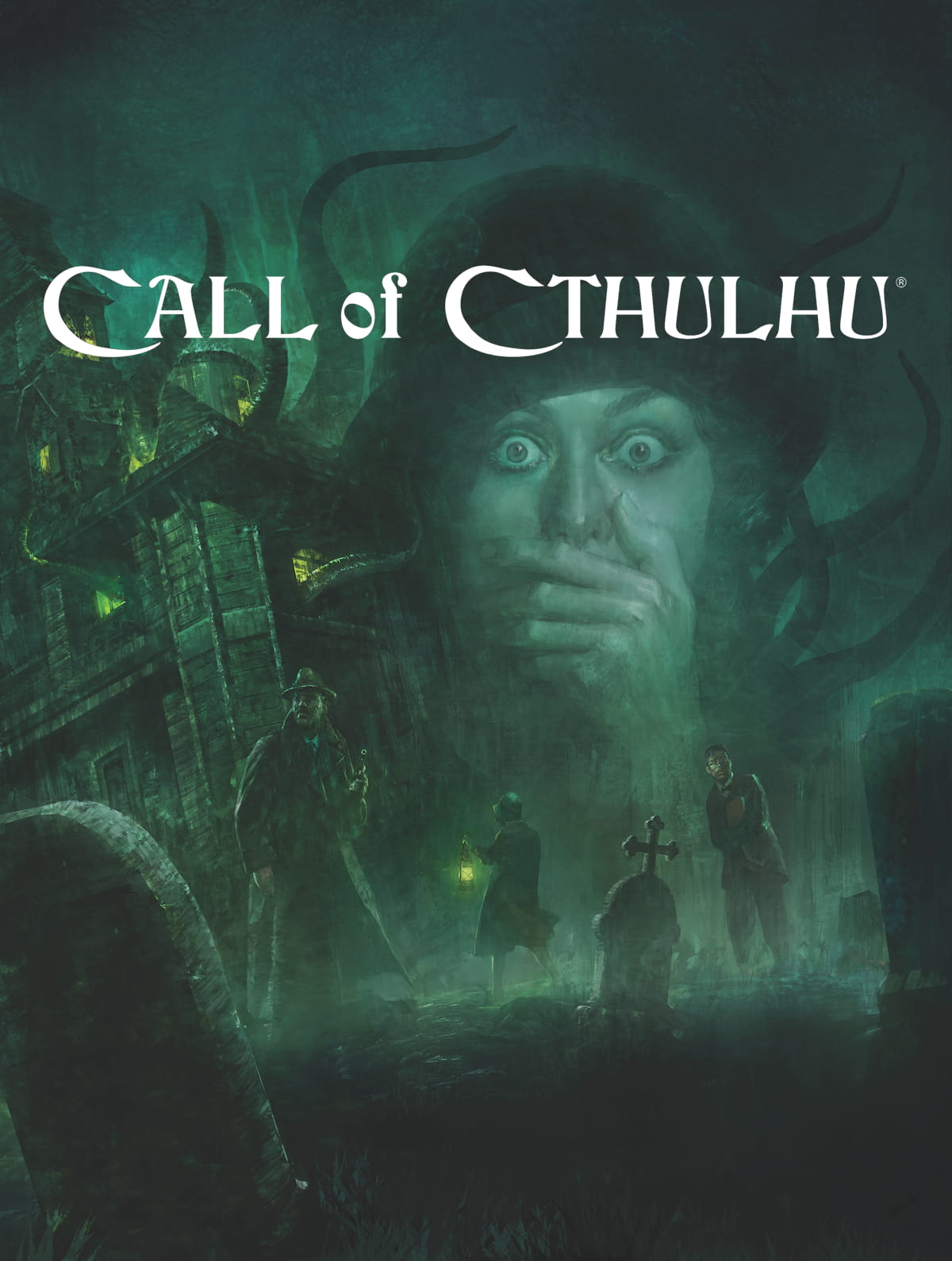
Call of Cthulhu
Call of Cthulhu is the classic game of investigative cosmic horror. Play doomed investigators probing occult mysteries and fragile sanity.
View system: Call of CthulhuDelta Green
Delta Green is modern-day cosmic horror and conspiracy. You play agents who face impossible threats, cover them up, and pay the personal cost. Think The X-Files with sharper teeth, where victories are fragile and sanity is on the line.
View system: Delta GreenArkham Horror: The Roleplaying Game
Face creeping dread and tangled conspiracies in Arkham, as investigators hunt clues, outwit cults and bargain with forces best left alone. Powered by narrative dice that turn every roll into story beats, it leans into tension and discovery. Fans of the Arkham Horror board game will feel right at home.
View system: Arkham Horror: The Roleplaying GameMothership
Mothership is sci-fi survival horror where you are spacers scrambling to stay alive as systems fail and something hunts you. Think Alien's tense corridors and hard choices. A professional Game Master guides 2 to 5 players through nail-biting one-shots or mini-campaigns.
View system: MothershipFate
Fate is a fast, flexible system where your character's traits shape every scene. Tell pulpy, high-action stories from daring heists to two-fisted heroics. Think Indiana Jones-style momentum, powered by aspects and fate points guided by a pro Game Master.
View system: FateWarhammer 40,000 Roleplay: Imperium Maledictum
Imperium Maledictum is Warhammer 40,000 roleplay built for grim investigation and hard choices. A percentile-based hunt through heresy, corruption, and cosmic horror, where your patron opens doors and adds pressure. Think Blade Runner's noir tension, scaled to a collapsing empire.
View system: Warhammer 40,000 Roleplay: Imperium MaledictumCandela Obscura
Enter a gaslit city of occult investigations and dangerous bargains. In Candela Obscura you are a sworn circle hunting breaches between our world and the uncanny. Think Penny Dreadful at the table, with tense mysteries, creeping dread, and hard choices.
View system: Candela ObscuraNumenera
Numenera is science fantasy set in the Ninth World, a far-future Earth littered with miraculous relics. Explore ruins, meet strange cultures, and turn lost tech into wonder. If Horizon Zero Dawn's ancient mysteries hooked you, this game scratches the same itch.
View system: NumeneraHeart: The City Beneath
Descend into the City Beneath, a living labyrinth of hunger, miracles and ruin. Heart is dark fantasy and survival horror where obsession drives your choices and the world reshapes you. If Annihilation's strange wilderness hooked you, this brings that feeling to the table.
View system: Heart: The City Beneath



Mystery
Follow the clues, build timelines, and catch the culprit. Think Knives Out, but you are the detective, piecing together alibis and secrets…
View genre: Mysteryby Tessa Survival Horror
Nerve-tightening horror where every bullet, battery, and breath counts. Think The Last of Us, with tense scavenging, fragile hope, and…
View genre: Survival HorrorOccult
Candlelit rituals, cryptic symbols, and whispered conspiracies. Think The X-Files as you chase clues through secret lodges and hidden…
View genre: Occultby Tessa Psychological Horror
Tense, intimate horror where your mind is the maze. Think Shutter Island. Doubt your memories, question your allies, and feel dread build…
View genre: Psychological HorrorConspiracy
Peel back layers of lies as you chase threads through shadowed rooms, coded files, and double-crosses. Paranoia builds with every clue…
View genre: Conspiracyby Tristan the Lowly Wizard Gritty
Hard choices, scarce resources, and consequences that stick. Think Game of Thrones when trust is fragile, debts come due, and survival has…
View genre: Grittyby Elliot Gothic
Candlelit corridors, storm-lashed manors, secret letters, and forbidden desire. Gothic play blends romance, dread, and family curses, like…
View genre: GothicSurvival
Cold nights, empty packs, and hard choices. Survival tales test grit and teamwork as you ration supplies, outsmart nature, and face human…
View genre: Survivalby Tessa Supernatural
Unseen forces close in. You hunt answers through haunted houses, cursed towns, and sacred rites where ghosts, omens, and miracles blur fear…
View genre: Supernatural


