

Epic
Think council fires, sieges, starfields, ancient prophecies, and maps spreading across the table. Your party sets oaths, forges alliances, and rides from chapter to chapter as seasons pass. A session might jump from a desperate last stand to a quiet scene where a crown is offered. Or from a comet sighting to a treaty signed years later. You chase artifacts, rally kingdoms, and name your banners. Every choice can tilt a continent, a fleet, or a faith. The scale keeps building until the final decision.
Epic works because group goals are clear and shared. Everyone has a role to play. Front-line heroes, diplomats, scouts, sages. Long arcs reward teamwork and table talk. It is great for ongoing campaigns, and a one-shot can spotlight a pivotal chapter. Beginners enjoy clear stakes if a professional Game Master guides the rules and pacing. Families enjoy fairy-tale grandeur. Teams use it to practice planning and communication. Veterans love slow-burn payoffs, layered politics, and battles that feel earned.
Our Game Masters run epic stories in Dungeons & Dragons 5E, Pathfinder 2e, The One Ring, Fate Core, Ironsworn, and many space opera or mythic variants. Tone is yours. Noble and hopeful, tragic and harsh, or grounded and political. We can zoom in on character vows, or out to command wars and councils. Expect time jumps, travel montages, and milestones that mark eras. Visit the game systems overview.
Frequently asked questions
How is Epic different from high fantasy or adventure?
In Epic games, the scope is wider and the clock runs longer. Choices affect peoples, nations, even eras. Scenes often cut from personal vows to statecraft, from journeys to decisive councils. Expect time jumps that show consequences and new fronts opening. Combat still matters, but logistics, diplomacy, and symbolism carry equal weight. High fantasy or adventure usually follows a party through a string of sites or quests. Epic connects those quests into history. It can be fantasy, sci fi, or mythic. The difference is scale and legacy.
Which game systems work best for Epic play?
For Epic play, choose rules that handle both character drama and big-picture moves. Popular picks include Dungeons and Dragons 5E, Pathfinder 2e, The One Ring, Fate Core, Ironsworn, and several space opera or mythic toolkits. Crunchier systems give detailed battles and travel. Narrative systems make time skips and alliances smooth. Tell a professional Game Master the balance you want, like mass combat, intrigue, or exploration. They will match a system to it. If you want to browse options, see the game systems overview.
What does an Epic one-shot look like?
A single session centers on a hinge event. You might start at a war room, a coronation, or a last bridge before an invasion. The table gets a quick rundown of factions and stakes. Play jumps straight into hard choices, with brief flashbacks or montages to show how you got here. It usually ends with an epilogue that makes the fallout clear. Our Game Masters use prebuilt characters or fast creation with shared goals. It works well for newcomers, teams, and mixed groups.
Do we have to manage kingdoms or lead armies?
Only if you want to. Epic can include command, supply, maps, and units, but it can also keep wars offscreen while your heroes tackle key missions. Many tables mix both, zooming out for strategy, then zooming in for scenes on the ground. A professional Game Master will set simple tools for large-scale outcomes, or run detailed operations if you enjoy that depth. Tell your Game Master your comfort with bookkeeping and tactics. For styles that emphasize story, tactics, or balance, see GM playstyles.
Booking Form


Sent!

Nat 1, try again!
Please try again or email info@storyforgers.com
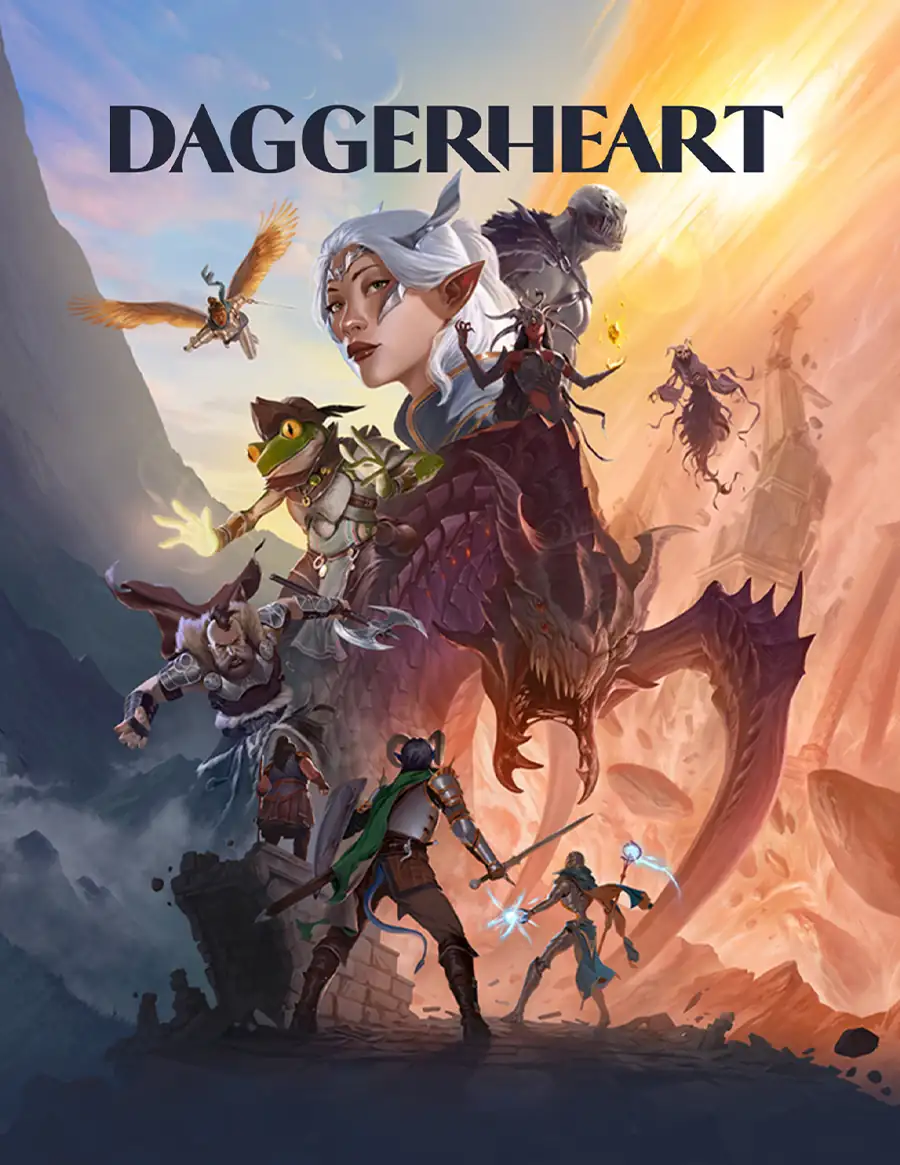
Daggerheart
Daggerheart is a high-fantasy RPG where every roll uses Hope and Fear d12s. Big heroics meet meaningful consequences in fast, story-first play.
View system: DaggerheartFabula Ultima
Fabula Ultima brings classic JRPG drama to your table. Team up for sweeping battles, bold magic, and heartfelt bonds in a story that feels like Final Fantasy. Perfect if you want colorful heroes, big feelings, and high fantasy stakes with an anime vibe.
View system: Fabula UltimaThe One Ring
Walk the roads of Middle-earth in The One Ring, the official tabletop RPG inspired by Tolkien. Low magic, rich lore, and hard-won hope shape every journey. Form a Company and brave the wild, councils, and combat in stories that feel like The Lord of the Rings.
View system: The One Ring13th Age
13th Age is fast, story-forward fantasy built on the classic d20. You are bold heroes tied to powerful Icons whose rivalries shape your quests, politics and battles. Think The Lord of the Rings with bigger moves and cinematic fights, perfect for groups who want action and intrigue.
View system: 13th AgeExalted
Play mythic heroes and demigods in a fantasy world of ancient empires, hungry spirits, and blazing martial arts. Think Crouching Tiger, Hidden Dragon woven with legend. Make bold choices, topple tyrants, and reshape the map with swordplay, sorcery, and miracles.
View system: ExaltedRuneQuest
RuneQuest brings mythic Bronze Age adventure to Glorantha, where gods, spirits, and clans shape every choice. Think The Iliad with runes and spears. Percentile skills, gritty hit location combat, and cult-bound magic make every victory feel earned and memorable.
View system: RuneQuestPendragon
Pendragon puts you in King Arthur’s Britain as a valorous or flawed knight shaped by honor, love, and duty. Think The Once and Future King. Quest through battles and courtly intrigue, swear oaths, and watch your household rise across generations.
View system: PendragonScion
Scion lets you play modern heroes with divine parentage, caught between everyday life and myth. Think Percy Jackson grown up. Face monsters, favor or wrath of the gods, and tough choices about power and destiny, guided by a professional Game Master.
View system: ScionWarhammer Age of Sigmar: Soulbound
Stand as mythic heroes bound by fate in Warhammer Age of Sigmar: Soulbound. Quest across the Mortal Realms, battling Chaos, beasts, and mad gods. If you enjoy God of War's mythic scale, you will love this fast, heroic team play with a professional Game Master.
View system: Warhammer Age of Sigmar: Soulbound


High Fantasy
Vast kingdoms, ancient magic, and heroes on dangerous quests to save more than a town, maybe the world. Think The Lord of the Rings, where…
View genre: High FantasyHeroic
Stand tall, choose the right thing, and win the day. Heroic games feel like The Lord of the Rings, with bold vows, last stands, rescued…
View genre: HeroicExploration
Set out with a map and a question. Exploration stories chase horizons, chart ruins and wilds, and reward curiosity, like Indiana Jones with…
View genre: Explorationby Max Monster Hunting
Track terrifying creatures, learn their quirks, and bring them down with clever prep and teamwork. Think footprints, bait, and decisive…
View genre: Monster HuntingMedieval
Knights, castles, guild halls, and the weight of oaths. Feudal politics, hungry winters, and hard-won honor, like Game of Thrones at ground…
View genre: MedievalMythological
Walk with gods, bargain with fate, and reshape legends. Think Percy Jackson at your table, with divine politics, heroic trials, and omens…
View genre: MythologicalPolitical Intrigue
Whispers in council chambers, favors traded, knives in the dark. Plot like Game of Thrones, where every alliance has a price and your next…
View genre: Political IntrigueTreasure Hunting
Race through ruins and shipwrecks to claim lost riches, decoding maps, outsmarting traps, and outpacing rivals. Fast, clever, and…
View genre: Treasure Huntingby Amber Anime
Big feelings, bold archetypes, and kinetic fights. Build your crew, trade rival banter, and level up in stories that hit like My Hero…
View genre: Anime


