

Exploration
Your group sets off with packs full of hope and a half-finished map. You choose the road through misty hills or the river that snakes into canyons. Along the way you find strange markers, friendly guides, and locked places begging to be opened. A session might shift between travel scenes, campfire talk, foraging, and tense exploration of ruins or hidden valleys. Small choices ripple into big discoveries. You sketch landmarks, log rumors, and mark safe paths, until the blank edges of the world begin to take shape.
Exploration shines at the table because decisions are clear and shared. Where do you go, what do you bring, when do you turn back. It invites teamwork without forcing spotlight time, great for beginners and families. Puzzles and light resource tracking keep hands busy between roleplay beats, which helps company team events. Veterans enjoy the open map, clever routing, and the satisfaction of revealing what careful play uncovers. Stakes can stay gentle for cozy travel or tighten when weather, travel hazards, or rival expeditions close in.
Our Game Masters often run exploration in Dungeons & Dragons, using travel rules, random discoveries, and layered locations that reward curiosity. It also works well in many other roleplaying systems. Tone is easy to tune, from bright travelogue and whimsical waystations to gritty survival treks and archaeological dives into lost cultures. Tell your GM the mix you want, such as mystery, survival, lore, or diplomacy, and they will shape encounters and pacing to match. Browse game systems to see options.
Frequently asked questions
How is exploration play different from dungeon crawls?
Exploration focuses on picking routes across a region and following clues in the wilds. You might visit a ruin, but it is one site among many, not a whole session of room-to-room fights. Progress is tracked by landmarks found, shortcuts opened, friendly contacts made, and safe camps established. Encounters are often avoidable with smart choices or negotiation. Travel, navigation, and reading the environment matter. Combat still happens, but it is a tool, not the only path forward. Rival expeditions, weather, and time pressure often create tension without locking you in a corridor.
Is exploration a good fit for beginners or kids?
Yes. Exploration offers clear decisions everyone can weigh in on, like which trail to try or when to turn back. A professional Game Master can keep the rules light, use visual aids for maps and clues, and focus on teamwork over character optimization. Resource tracking can be kept simple or skipped. Scenes shift often, which helps shorter attention spans. Tone can stay bright and curious, with puzzles and friendly guides instead of horror. You choose content limits up front, so the adventure feels safe, welcoming, and hands-on for first-timers and younger players.
Which game systems work best for exploration?
Dungeons & Dragons handles exploration very well, using travel procedures, skill checks, and random discoveries to bring a region to life. Many GMs run point-crawls or hex-style maps in D&D, with layered locations that reward careful choices. If you prefer a different feel, your GM can often adapt the approach to other systems on request. To compare options and find a good match for your group, browse the game systems overview here: see game systems.
What happens in an exploration one-shot?
You start at a town, outpost, or ship with a sketchy map and a few leads. In 3 to 4 hours you choose routes, make wayfinding checks, and visit two or three interesting sites. Expect discoveries that connect, like a key from a canyon opening a sealed door on a ridge. There is usually one set-piece delve or tense travel segment, plus choices about pushing on or heading back. Light tracking for time and supplies highlights risk without bogging things down. You finish with a clear achievement and notes for a future return.
Booking Form


Sent!

Nat 1, try again!
Please try again or email info@storyforgers.com
Numenera
Numenera is science fantasy set in the Ninth World, a far-future Earth littered with miraculous relics. Explore ruins, meet strange cultures, and turn lost tech into wonder. If Horizon Zero Dawn's ancient mysteries hooked you, this game scratches the same itch.
View system: NumeneraCairn
Explore haunted forests and crumbling ruins with Cairn, a rules-light fantasy RPG of careful choices and hard-won treasure. It is quick to learn, gritty in play, and focused on discovery and survival. Think the grounded, monster-haunted roads of The Witcher, without the flashy magic.
View system: CairnDungeons & Dragons
Forge your own fantasy tale with Dungeons & Dragons. Create a party of bold heroes, outsmart traps, bargain with dragons, and claim treasure in vivid worlds. Think the fellowship spirit of The Lord of the Rings, only you choose the paths, the battles, and the ending.
View system: Dungeons & DragonsDaggerheart
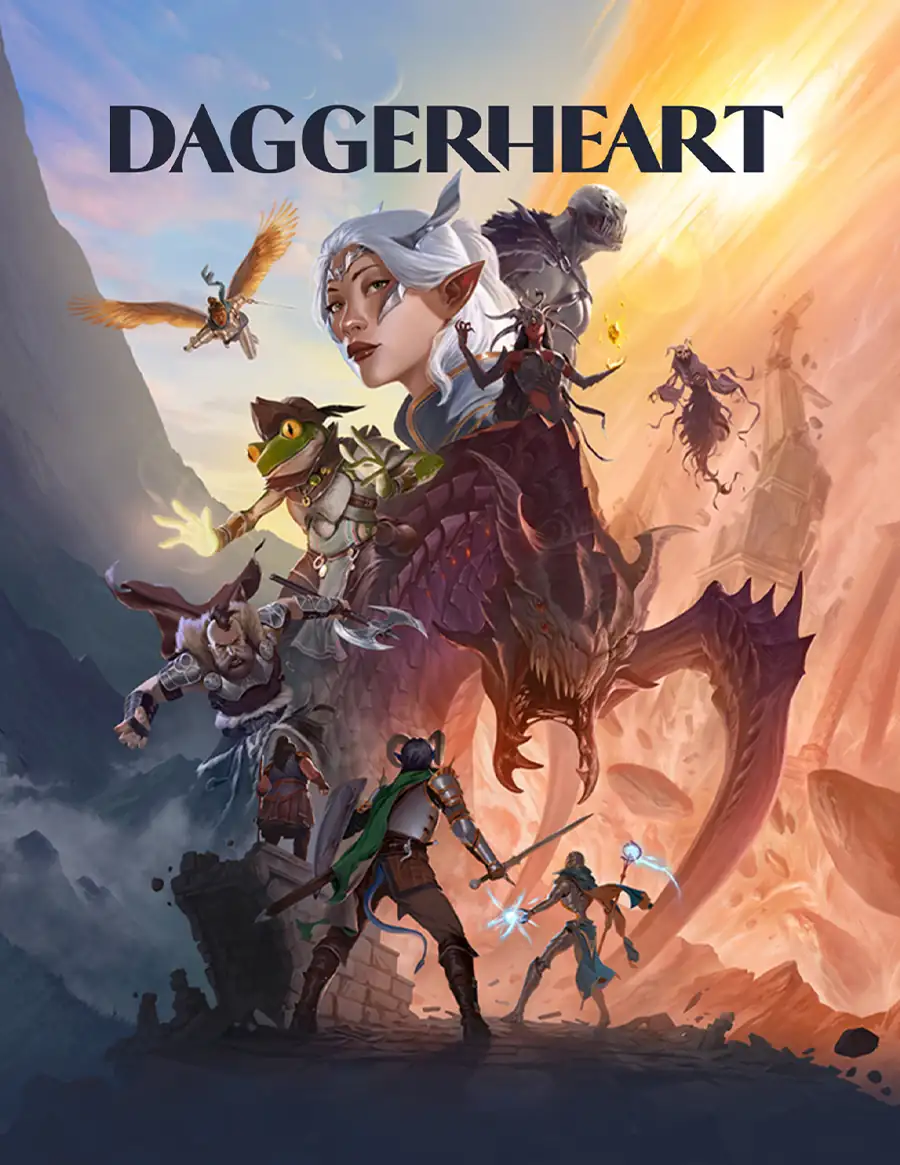
Daggerheart is a high-fantasy RPG where every roll uses Hope and Fear d12s. Big heroics meet meaningful consequences in fast, story-first play.
View system: DaggerheartShadowdark
Shadowdark is old-school fantasy with modern polish, built for tense, torchlit dungeon crawls and dangerous choices. Quick to learn, fast to play, and lethal enough to keep you sharp. Think The Witcher’s grim tone with classic treasure-hunting and monster stalking.
View system: ShadowdarkThe Dark Eye
The Dark Eye is classic European fantasy with grounded cultures, living gods and cautious magic. Think The Lord of the Rings with more folklore and town intrigue. Explore Aventuria, hunt creatures from legend, and solve problems with steel, wit and heart under a professional Game Master.
View system: The Dark EyeDragonbane
Fast, swingy fantasy built for mirth and mayhem. Dragonbane sweeps you into treasure hunts, monster brawls, and wilderness scrapes that feel like The Hobbit told around a campfire. Perfect for new players and veterans who want bold choices, big laughs, and real peril.
View system: DragonbaneThe One Ring
Walk the roads of Middle-earth in The One Ring, the official tabletop RPG inspired by Tolkien. Low magic, rich lore, and hard-won hope shape every journey. Form a Company and brave the wild, councils, and combat in stories that feel like The Lord of the Rings.
View system: The One RingForbidden Lands
Roam a cursed wilderness in open-world survival fantasy, mapping it hex by hex and scavenging to see tomorrow. Think Skyrim with harsher choices and less magic. A professional Game Master turns ruins, rivals, and hunger into hard-won treasure and tales you will brag about.
View system: Forbidden Lands




High Fantasy
Vast kingdoms, ancient magic, and heroes on dangerous quests to save more than a town, maybe the world. Think The Lord of the Rings, where…
View genre: High FantasyTreasure Hunting
Race through ruins and shipwrecks to claim lost riches, decoding maps, outsmarting traps, and outpacing rivals. Fast, clever, and…
View genre: Treasure HuntingHeroic
Stand tall, choose the right thing, and win the day. Heroic games feel like The Lord of the Rings, with bold vows, last stands, rescued…
View genre: HeroicMedieval
Knights, castles, guild halls, and the weight of oaths. Feudal politics, hungry winters, and hard-won honor, like Game of Thrones at ground…
View genre: MedievalWilderness
Boots on the trail, maps in hand, miles of untamed terrain between you and safety. Think the Fellowship crossing the wilds of Middle-earth…
View genre: Wildernessby Max Monster Hunting
Track terrifying creatures, learn their quirks, and bring them down with clever prep and teamwork. Think footprints, bait, and decisive…
View genre: Monster HuntingSurvival
Cold nights, empty packs, and hard choices. Survival tales test grit and teamwork as you ration supplies, outsmart nature, and face human…
View genre: SurvivalEpic
Sweeping sagas of world-shaping stakes and legendary heroes, from first spark to final clash. Think The Lord of the Rings scale in any…
View genre: EpicDark Fantasy
Gritty magic, frail hope, and choices that stain as monsters wear human faces and the cost of victory cuts deep. Think The Witcher, but the…
View genre: Dark Fantasy

