

Found Family
Picture a table where strangers turn into siblings. Sessions mix small moments with big stakes. You plan a job, argue over snacks, patch each other up, then face the thing that would break anyone alone. Downtime scenes matter. You pass the lucky charm, teach a new move, and toast the one who saved the day. The story grows from care, inside jokes, and hard‑won trust, not from birthright. By the finale, the ship, the wagon, or the safehouse feels like home.
It works at the table because relationships point the way. Players always know who they protect, who needs a pep talk, and what line they will not cross. Beginners find it welcoming, since character goals come from feelings, not lore. Families enjoy gentle stakes and shared spotlight. Team events use it to practice listening and support in a low-risk story. Veterans love slow-burn arcs, messy choices, and payoff when trust finally holds under pressure.
A professional Game Master can run found family in many systems. Common picks include D&D 5e, Blades in the Dark, Fate, Monster of the Week, Kids on Bikes, Masks, or Wanderhome. Tone is yours. Cozy slice of life, scrappy heists, heartfelt road trips, or bittersweet drama. A professional Game Master sets safety tools, calibrates spotlight, and paces growth over one-shots or full campaigns. Browse the game systems to match the feel you want.
Frequently asked questions
How is "Found Family" different from classic heroic play?
Found Family centers on who you choose to call home. The mission supports the relationships, not the other way around. Quiet scenes of care, promises, and small rituals carry real weight. Conflicts often test trust, loyalty, and boundaries. Loot, lineage, or destiny matter less than keeping each other safe and seen. A professional Game Master frames choices around bonds, invites personal backstory hooks, and lets the group decide what they will protect. Expect callbacks, running jokes, and growth that comes from showing up for one another.
Which game systems work best for Found Family?
Several systems shine when the story is about chosen kin. D&D 5e works if you want heroic action with character Bonds to lean on. Blades in the Dark builds crew identity and downtime growth. Masks fits teen teams learning to trust. Monster of the Week supports tight-knit hunters. Kids on Bikes and Wanderhome do gentle, rules-light ensembles. Fate spotlights relationships with Aspects. A professional Game Master will match complexity to your group. Browse the game systems to compare options by tone and crunch.
Is this genre good for kids or total beginners?
Yes. Beginners find clear goals by deciding who their character cares about, not by memorizing lore. For kids, choose a lighter rules game and a shorter session, about 90 to 120 minutes. A professional Game Master keeps themes age-appropriate, avoids scary content on request, and offers prebuilt characters with ready-made ties. Expect plenty of guidance and shared spotlight, so no one feels lost. Older kids can handle mystery or heist vibes, while younger groups do best with cozy challenges and problem solving over combat.
Can the tone be cozy, gritty, or somewhere between?
Absolutely. During a short planning chat, you tell the professional Game Master what feels good to explore and what to keep offscreen. Cozy tone means more comfort scenes, low risk, and gentle humor. Grittier tone raises pressure, scarce resources, and harder consequences for choices. A professional Game Master tunes threats, pacing, and how interpersonal conflict lands. You can also pick someone whose table vibe matches yours. See GM playstyles to find facilitators who lean heartfelt, cinematic, comedic, or grounded.
Booking Form


Sent!

Nat 1, try again!
Please try again or email info@storyforgers.com
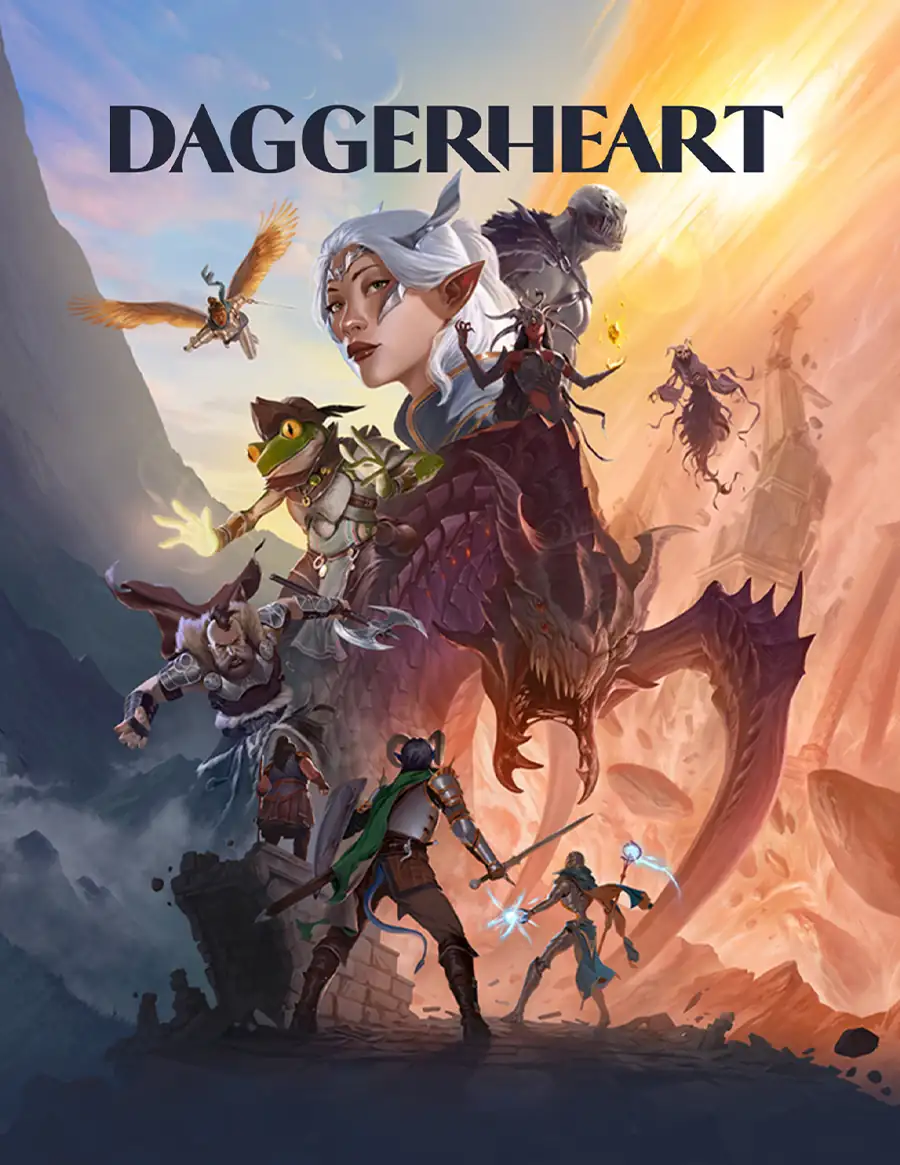
Daggerheart
Daggerheart is a high-fantasy RPG where every roll uses Hope and Fear d12s. Big heroics meet meaningful consequences in fast, story-first play.
View system: DaggerheartFabula Ultima
Fabula Ultima brings classic JRPG drama to your table. Team up for sweeping battles, bold magic, and heartfelt bonds in a story that feels like Final Fantasy. Perfect if you want colorful heroes, big feelings, and high fantasy stakes with an anime vibe.
View system: Fabula UltimaAvatar Legends: The Roleplaying Game
Play in the world of Avatar: The Last Airbender with fast martial arts, daring bending and heartfelt choices. PbtA inspired rules focus on balance, growth and bonds. A professional Game Master brings cinematic action and warm, funny team moments that feel like the show.
View system: Avatar Legends: The Roleplaying GameMasks: A New Generation
Masks is the teen superhero RPG where your powers are big and your feelings are bigger. Team up, face villains, and figure out who you are as the city watches. Think the messy heart of Spider-Man blended with fast, story-first action.
View system: Masks: A New GenerationWerewolf: The Apocalypse
Fight for a dying world as a werewolf in Werewolf: The Apocalypse. You and your pack hunt corruption in city streets and wild places, torn between fury and duty. Think Underworld, but you are the monsters with a cause, bound by tribe, spirit, and an oncoming doom.
View system: Werewolf: The ApocalypseTales from the Loop
Be kids in the 80s that never was, where robots idle in fields and a vast particle accelerator hums beneath your town. Tales from the Loop blends warm nostalgia with gentle chills, like Stranger Things but kinder, using light rules that keep friendship, curiosity, and bikes in the spotlight.
View system: Tales from the LoopKids on Bikes
Bike to the edge of town, then into the unknown. Kids on Bikes is a collaborative mystery game of small-town courage and strange happenings, perfect for beginners and mixed-age groups. Think Stranger Things energy with heart, guided by a professional Game Master.
View system: Kids on BikesScum and Villainy
Scum and Villainy is a fast, cinematic space-opera heist game where your crew pulls daring jobs, dodges syndicates and the Hegemony, and keeps the ship flying. Think Firefly with sharp tools for teamwork and trouble. Great for one-shots or ongoing crews.
View system: Scum and VillainyDoctor Who: The Roleplaying Game
Grab a sonic, hop in a TARDIS, and save people with brains over blasters. Doctor Who: The Roleplaying Game captures the TV show's witty, time-twisting adventures, from alien mysteries to heart-first heroics. Ideal for groups who want clever plans, fast talk, and wonder.
View system: Doctor Who: The Roleplaying Game


Lighthearted
Play upbeat, low-stakes adventures full of quick laughs, clever fixes, and friendly NPCs. Think The Princess Bride, with banter, charming…
View genre: LightheartedMystery
Follow the clues, build timelines, and catch the culprit. Think Knives Out, but you are the detective, piecing together alibis and secrets…
View genre: MysteryHeroic
Stand tall, choose the right thing, and win the day. Heroic games feel like The Lord of the Rings, with bold vows, last stands, rescued…
View genre: Heroicby Tristan the Lowly Wizard Rural
Cozy fields, muddy boots, neighbor drama, and harvest festivals. Think Stardew Valley with mysteries at the hedgerow, family stakes, and…
View genre: RuralSpace Opera
Grand sci-fi melodrama across the stars, with daring pilots, noble rebels, tyrants with planet-killers, and a crew that becomes family…
View genre: Space OperaWhimsical
Playful fantasy where logic takes tea breaks and kindness solves problems. Think Alice in Wonderland, with curious rules, quirky friends…
View genre: Whimsicalby @a3papier Cozy
Warm, low-stakes stories about tea, neighbors, and small joys. Think Stardew Valley with friends, where gentle problems spark kind…
View genre: Cozyby Amber Anime
Big feelings, bold archetypes, and kinetic fights. Build your crew, trade rival banter, and level up in stories that hit like My Hero…
View genre: AnimeExploration
Set out with a map and a question. Exploration stories chase horizons, chart ruins and wilds, and reward curiosity, like Indiana Jones with…
View genre: Exploration


