

Futuristic
You sit at the edge of tomorrow. Maybe your crew slips through a crowded arcology to extract a whistleblower. Maybe you jury rig a drone during a vacuum walk, then parley with an anxious habitat AI. Or you scan a derelict ship for clues to a vanished colony while corporate patrols close in. Futuristic sessions weave hard choices with cool tools. Expect smart glasses and swarming bots, private rockets and biotech, encrypted whispers and neon rain. The big question is always the same: how does tech change what you risk, and why.
It plays fast at the table. Clear goals, visible tools, and room for creative problem solving help beginners and mixed groups. Team events thrive on shared planning, gadget combos, and high-stakes negotiations. Families enjoy light, curious themes like exploration and invention. Veterans can push into layered conspiracies, resource management, and crunchy tactics. A professional Game Master keeps the science understandable, the stakes human, and the pacing tight, so everyone gets a turn to shine.
Our Game Masters run Futuristic stories with both tactical and narrative systems, from rules-light frameworks to detailed simulational rules. You can pick hard-science realism, sleek techno-thriller, hopeful discovery, or gritty corporate intrigue. Sessions can be suspenseful and grounded, or cinematic with high action. Tell the GM what you like, and they will match a system from the ones listed on the game systems overview, then tune difficulty, tech density, and safety tools to your group.
Frequently asked questions
How is Futuristic different from cyberpunk or space opera?
Futuristic focuses on how technology reshapes daily life and risk. It can be near-future city work, orbital stations, or long-haul ships, without assuming a dystopia or galaxy-spanning empires. Cyberpunk usually centers on street-level rebellion against megacorps and body mods in one dense city. Space opera leans big, with grand politics and pulpy heroics. In Futuristic play, tech limits and tradeoffs matter, like fuel, bandwidth, or AI protocols. The tone can be gritty, hopeful, or sleek thriller, depending on what you ask for.
Which game systems fit Futuristic, and how do we choose?
Start with what you want to feel at the table. Tight, realistic problem solving, cinematic heists, tense survival, or big-picture investigation all point to different rules. Some systems make gear, hacking, and starships very detailed. Others keep mechanics light so ideas flow fast. Share your goals, and a professional Game Master will suggest two or three options and explain tradeoffs. You can also browse the overview of all game systems to see which ones support hard science, gadget play, or social intrigue.
Is this genre good for beginners or for kids and teens?
Yes. Futuristic games give you clear tools and problems to solve, so new players get traction fast. A professional Game Master avoids heavy jargon, explains tech in plain language, and provides pregenerated characters and simple gear handouts. For kids and teens, sessions focus on discovery, invention, helpful robots, and rescue. Combat stays brief and non-graphic. Choices feel meaningful without harsh consequences. Tell the GM your comfort level, and they will tune puzzles, reading load, and intensity. You can also review GM playstyles to find a good fit.
What should I expect from a Futuristic one-shot session?
Most Futuristic one-shots run like a focused mission. You get a quick briefing, a clear objective, and a kit that suits your role. Expect 2 to 3 scenes, such as station infiltration, a tense AI negotiation, and a spacewalk repair or escape. Tech matters, but bookkeeping stays light, with concise gear notes and shared reference sheets. The final beat offers a choice, like take the data, save the crew, or expose a cover-up. You leave with a complete story and room for a sequel.
Booking Form


Sent!

Nat 1, try again!
Please try again or email info@storyforgers.com
Coyote & Crow
Explore an Indigenous future where North America flourished without colonization. Coyote & Crow blends cutting-edge science with living traditions, myth, and mystery, guided by a professional Game Master. Think the cultural pride and advanced tech of Black Panther, grounded in Indigenous North America.
View system: Coyote & CrowLancer
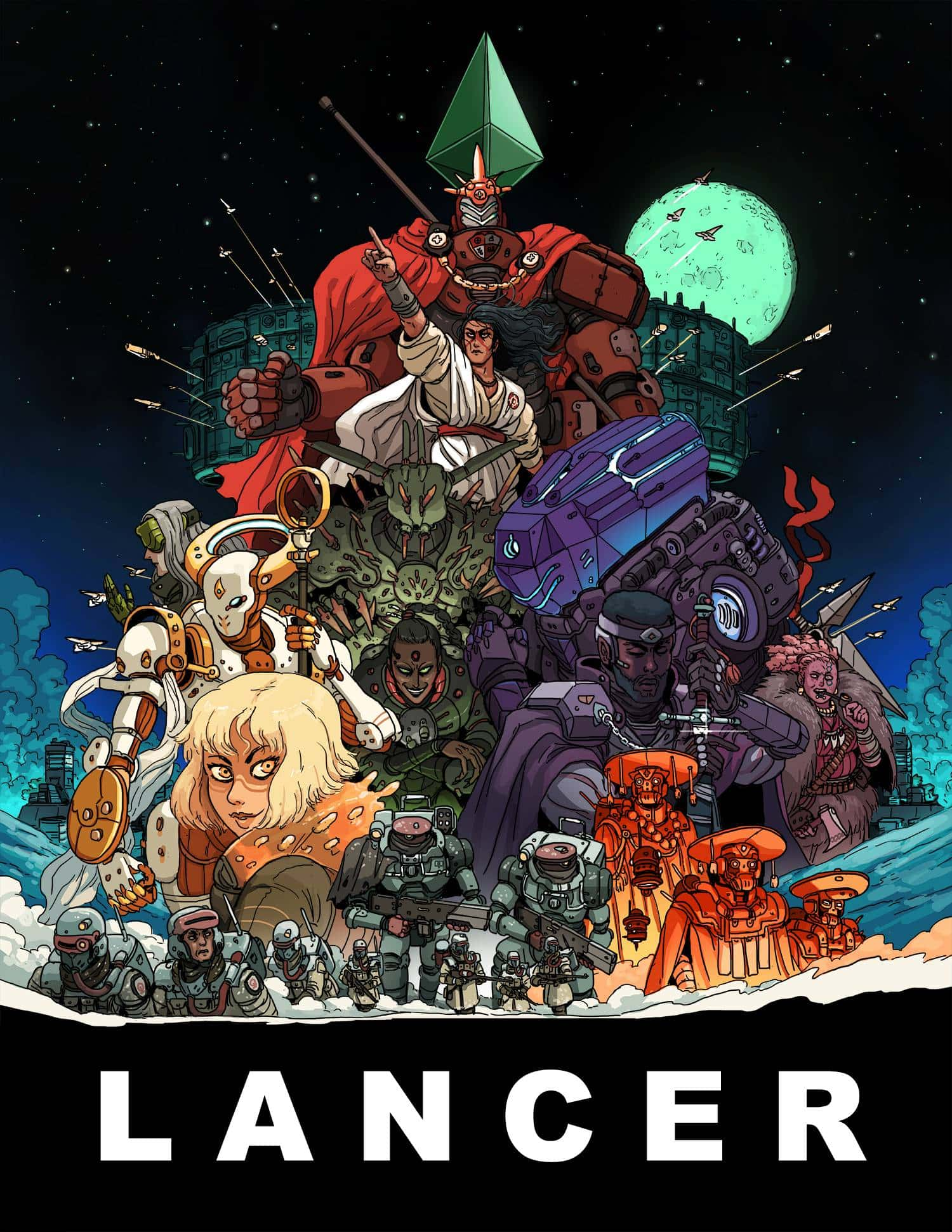
Pilot a custom-built mech in high-stakes missions that blend sharp tactics with character drama. Lancer delivers crunchy battles and sweeping sci-fi about duty, politics, and hope. If you love Gundam, you will feel right at home.
View system: LancerStarfinder
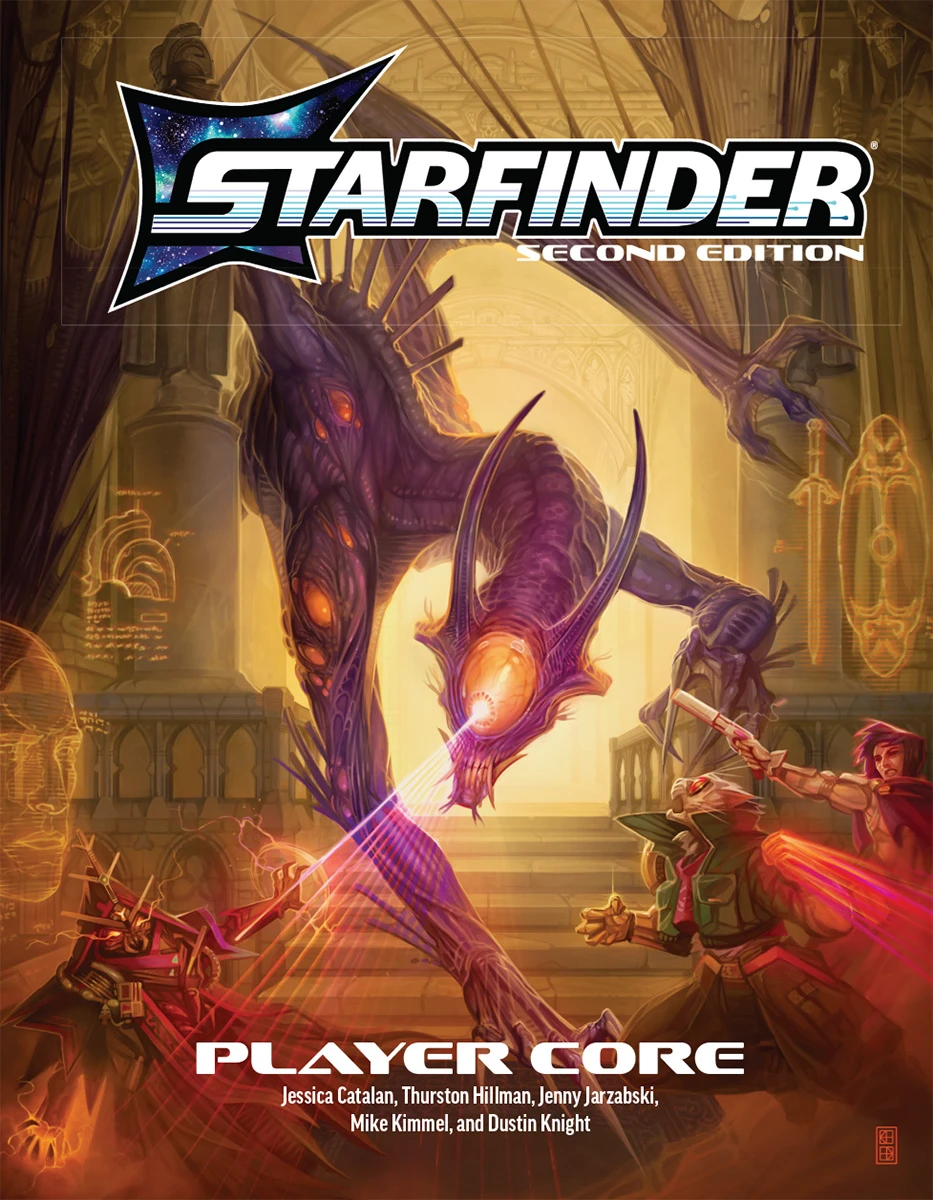
Starfinder is Paizo’s science-fantasy of blaster fights, spell-slinging technomancers, and starship showdowns. Think Mass Effect with magic. Our Game Masters guide you through strange worlds, daring heists, and alien mysteries that reward teamwork and bold choices.
View system: StarfinderMutants & Masterminds
Mutants & Masterminds lets you design any superhero, from street vigilante to cosmic guardian, then face daring rescues, clues, and high-flying battles. Think The Avengers, but starring you, tuned to your tone by a professional Game Master.
View system: Mutants & MastermindsNumenera
Numenera is science fantasy set in the Ninth World, a far-future Earth littered with miraculous relics. Explore ruins, meet strange cultures, and turn lost tech into wonder. If Horizon Zero Dawn's ancient mysteries hooked you, this game scratches the same itch.
View system: NumeneraParanoia
Serve The Computer. Suspect your friends. Laugh when the mission goes wrong. Paranoia is a satirical sci‑fi RPG of clones, treason, and backstabbing loyalty tests. Think 1984 played for laughs. Light rules, rapid turns, and glorious player scheming.
View system: ParanoiaLasers & Feelings
Zip through pulpy space opera in a rules-light game inspired by Star Trek. You choose one number that sets your style, then roll a single die to solve bold problems, sweet talk aliens, or reroute warp power. Perfect for quick one-shots and playful crews.
View system: Lasers & FeelingsDungeons & Dragons
Forge your own fantasy tale with Dungeons & Dragons. Create a party of bold heroes, outsmart traps, bargain with dragons, and claim treasure in vivid worlds. Think the fellowship spirit of The Lord of the Rings, only you choose the paths, the battles, and the ending.
View system: Dungeons & DragonsCall of Cthulhu
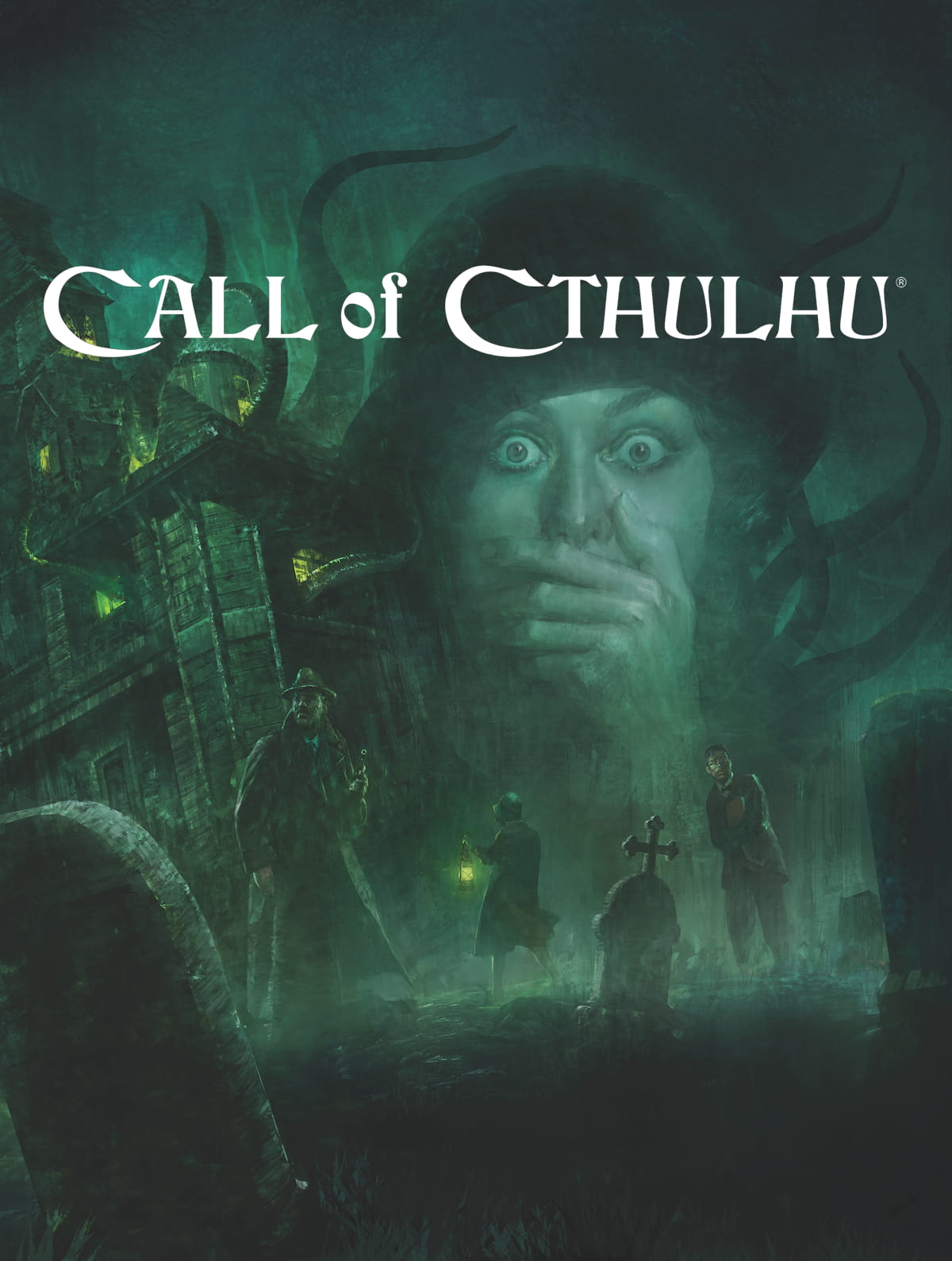
Call of Cthulhu is the classic game of investigative cosmic horror. Play doomed investigators probing occult mysteries and fragile sanity.
View system: Call of Cthulhu



Space Opera
Grand sci-fi melodrama across the stars, with daring pilots, noble rebels, tyrants with planet-killers, and a crew that becomes family…
View genre: Space OperaHeroic
Stand tall, choose the right thing, and win the day. Heroic games feel like The Lord of the Rings, with bold vows, last stands, rescued…
View genre: HeroicExploration
Set out with a map and a question. Exploration stories chase horizons, chart ruins and wilds, and reward curiosity, like Indiana Jones with…
View genre: ExplorationPolitical Intrigue
Whispers in council chambers, favors traded, knives in the dark. Plot like Game of Thrones, where every alliance has a price and your next…
View genre: Political IntrigueDystopian
Fight to breathe in a world that watches your every move, think 1984. Hide, hack, and resist as you navigate harsh laws, scarce hope, and…
View genre: DystopianWilderness
Boots on the trail, maps in hand, miles of untamed terrain between you and safety. Think the Fellowship crossing the wilds of Middle-earth…
View genre: WildernessMystery
Follow the clues, build timelines, and catch the culprit. Think Knives Out, but you are the detective, piecing together alibis and secrets…
View genre: Mysteryby Tessa Supernatural
Unseen forces close in. You hunt answers through haunted houses, cursed towns, and sacred rites where ghosts, omens, and miracles blur fear…
View genre: Supernaturalby Amber Superhero
High-speed fights, moral choices, and secret lives. Think Spider-Man, with powers that change the odds and a city that needs saving. Suit…
View genre: Superhero


