

Gothic
Picture candlelight pooling on cracked marble, wind clawing at the shutters, and a portrait that watches a little too closely. You arrive as heirs, companions, or uninvited guests, drawn by a letter you should have ignored. Rooms hide keys and vows, gardens hide graves. Secrets surface in whispered confessions, veiled dances, and midnight chases along the cliff road. At the table you weigh desire against duty, and decide who to trust when the past knocks at the door. The truth wants out, and it will ask a price.
Gothic works beautifully face to face or online because tension lives in quiet choices, clues, and character. It rewards careful conversation and shared mood, not encyclopedic rules. Beginners enjoy how clear goals and vivid locations guide play. Literature lovers adore the drama. Families with teens can opt for a gentle ghost story. Team events thrive on collaborative investigation and reveal scenes. Veterans get rich roleplay, moral forks, and a mystery that tightens as the clock strikes twelve.
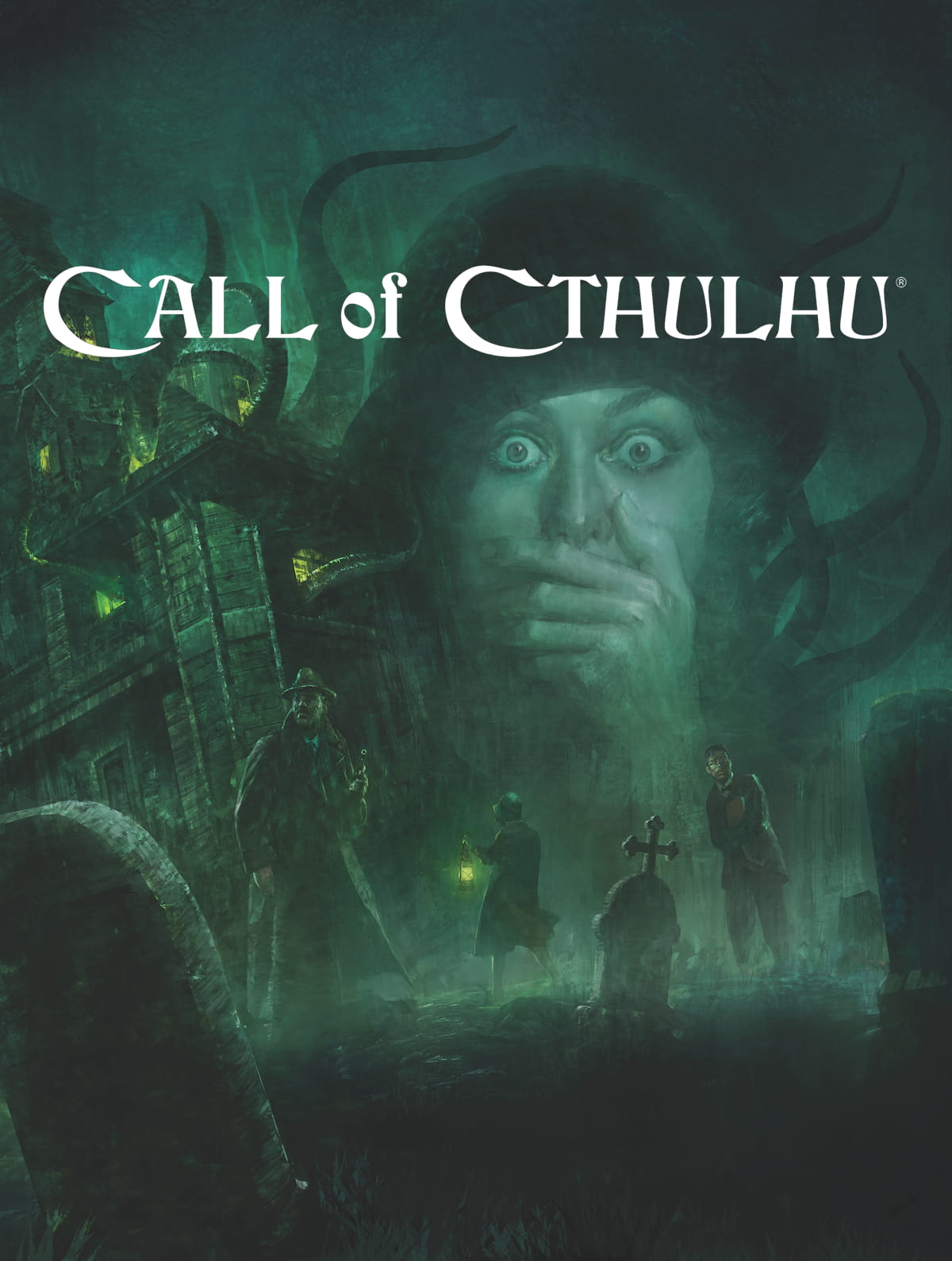
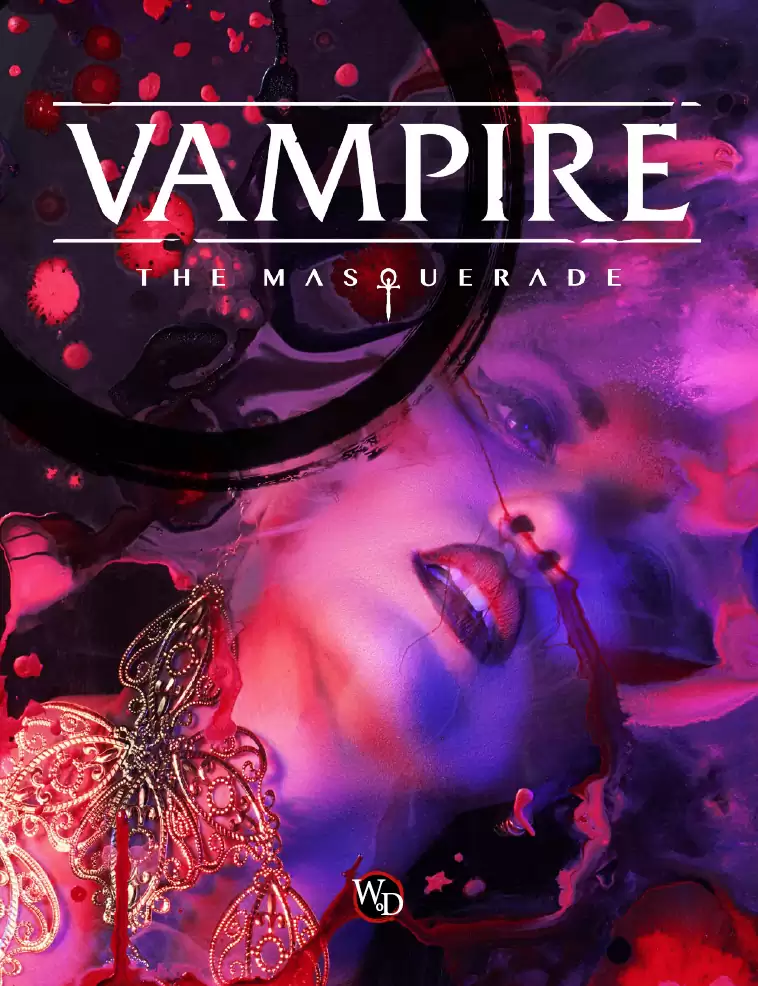
Our Game Masters run Gothic in Call of Cthulhu, Vampire: The Masquerade, Dread with a tumbling block tower, and D&D 5E in Ravenloft. For mature groups, Bluebeard’s Bride offers intense, ritual Gothic. Tone is flexible, from bittersweet romance with a few shivers, to investigative mystery, to full haunting horror. The supernatural can be certain or only suggested. Safety tools set comfort lines and steer intensity. To see the range of systems available, explore all game systems, then pick the feel you want: tragic, tender, or terrifying.
Frequently asked questions
How is Gothic different from classic horror?
Gothic differs from classic horror by centering mood, secrets, and tangled relationships. The fear often comes from guilt, inheritance, or forbidden affection, not only from monsters. Settings are characters too, like a manor that seems to listen. The supernatural may be real or only hinted at. Choices lean toward who you trust, what vow you break, or which letter you burn. Scenes favor investigations, confession, and close-up tension. Combat is rare and meaningful. Expect slow-burn unease and melodrama that eventually cracks open a buried truth.
Which game systems work best for Gothic play?
Several systems suit Gothic well, each for a different flavor. Call of Cthulhu supports clue-driven tragedies and fragile resolve. Vampire: The Masquerade leans into politics, desire, and moral debts. Dread uses a tumbling block tower to make every risk feel perilous. D&D 5E in Ravenloft gives you Gothic fantasy with familiar rules and set-piece confrontations. For mature tables, Bluebeard’s Bride delivers ritualized, intense themes. If you want to compare options and pick your vibe, browse all game systems and note which tone speaks to you.
Is Gothic suitable for first-timers or teens?
Yes. Beginners benefit from clear locations, strong motives, and a professional Game Master who explains the tropes as you go. We set safety tools early, adjust romance with lines and veils, and fade to black when needed. For families or teen groups, content stays suggestive, not graphic. Ghosts unsettle more than they shock. Pregen characters with simple ties help you click in fast. Typical sessions last about 3 hours, with time for a gentle wrap-up. Newcomers leave with a clear resolution and a sense of the costs behind it.
What does a Gothic one-shot feel like?
A one-shot usually opens with an arrival or invitation, then a tour of galleries, attics, and gardens where clues lurk. You meet strained hosts, loyal servants, and a rival with history. Letters and tokens point to a hidden pact. Midway you choose whom to trust and what risk to take. The finale hits during a storm, a ball, or a funeral, and secrets break loose. Expect 3 to 4 hours for 3 to 6 players. Online tables use handouts and music well. See online play options.
Booking Form


Sent!

Nat 1, try again!
Please try again or email info@storyforgers.com
Dungeons & Dragons
Forge your own fantasy tale with Dungeons & Dragons. Create a party of bold heroes, outsmart traps, bargain with dragons, and claim treasure in vivid worlds. Think the fellowship spirit of The Lord of the Rings, only you choose the paths, the battles, and the ending.
View system: Dungeons & DragonsCall of Cthulhu
Call of Cthulhu is the classic game of investigative cosmic horror. Play doomed investigators probing occult mysteries and fragile sanity.
View system: Call of CthulhuVampire: The Masquerade
Vampire: The Masquerade is modern-night roleplay about hunger, power and secrecy. Think Interview with the Vampire, but you make the calls. Scheme, seduce and survive as a coterie while a professional Game Master brings a city of dark politics to life.
View system: Vampire: The MasqueradeBlades in the Dark
Run daring scores as a crew of scoundrels in a haunted industrial city. Blades in the Dark blends tense heists, gritty consequences, and crew advancement, using flashbacks and stress to keep play fast. Think Dishonored, but you and your friends pull the strings.
View system: Blades in the DarkMörk Borg
Mörk Borg is a rules-light, doom-metal fantasy where the world rots and you try to survive one more night. Brutal, fast and stylish, it plays like Dark Souls filtered through a torn black-metal zine. Perfect for grim one-shots or a doomed mini-campaign.
View system: Mörk BorgVaesen
Vaesen is Nordic folk horror set in a mythic 19th century. You play investigators with the Sight, traveling to remote towns to unravel eerie folklore, make hard bargains, and confront the inhuman. Think Penny Dreadful by lantern light, with trolls, nixies, and long winter roads.
View system: VaesenCandela Obscura
Enter a gaslit city of occult investigations and dangerous bargains. In Candela Obscura you are a sworn circle hunting breaches between our world and the uncanny. Think Penny Dreadful at the table, with tense mysteries, creeping dread, and hard choices.
View system: Candela ObscuraDread
Dread is a one-shot survival horror RPG that trades dice for a tumbling block tower. Each pull raises the stakes and your pulse. Think The Thing at your table, where fear, tough choices, and human flaws decide who makes it out.
View system: DreadArkham Horror: The Roleplaying Game
Face creeping dread and tangled conspiracies in Arkham, as investigators hunt clues, outwit cults and bargain with forces best left alone. Powered by narrative dice that turn every roll into story beats, it leans into tension and discovery. Fans of the Arkham Horror board game will feel right at home.
View system: Arkham Horror: The Roleplaying Game



Occult
Candlelit rituals, cryptic symbols, and whispered conspiracies. Think The X-Files as you chase clues through secret lodges and hidden…
View genre: OccultMystery
Follow the clues, build timelines, and catch the culprit. Think Knives Out, but you are the detective, piecing together alibis and secrets…
View genre: Mysteryby Tessa Cosmic Horror
Reality tilts, secrets whisper, and your choices feel tiny beneath indifferent stars. Cosmic dread and investigative mystery, in the vein…
View genre: Cosmic Horrorby Tessa Psychological Horror
Tense, intimate horror where your mind is the maze. Think Shutter Island. Doubt your memories, question your allies, and feel dread build…
View genre: Psychological Horrorby Tessa Survival Horror
Nerve-tightening horror where every bullet, battery, and breath counts. Think The Last of Us, with tense scavenging, fragile hope, and…
View genre: Survival HorrorDark Fantasy
Gritty magic, frail hope, and choices that stain as monsters wear human faces and the cost of victory cuts deep. Think The Witcher, but the…
View genre: Dark FantasyConspiracy
Peel back layers of lies as you chase threads through shadowed rooms, coded files, and double-crosses. Paranoia builds with every clue…
View genre: Conspiracyby Tessa Supernatural
Unseen forces close in. You hunt answers through haunted houses, cursed towns, and sacred rites where ghosts, omens, and miracles blur fear…
View genre: Supernaturalby Tristan the Lowly Wizard Gritty
Hard choices, scarce resources, and consequences that stick. Think Game of Thrones when trust is fragile, debts come due, and survival has…
View genre: Gritty


