

Gritty
Think desperate odds and messy consequences. Streets slick with rain, or a frontier town starving through winter. You play flawed people who want something they might not deserve. Evidence is scarce, supplies run out, and allies have their own price. When you choose who to trust, the whole table leans in. Every success is paid for. Every failure leaves a mark, in the fiction and on your character sheet. It feels raw, grounded, and personal.
At the table, gritty works because choices carry weight. Plans matter. Scouting, bargains, and triage make scenes tense and memorable. It rewards teamwork and careful thinking. Veterans love the pressure and the character depth. Story-driven players enjoy moral knots. Beginners do fine with a steady guide and clear safety tools. Team events thrive when the group wants realism and problem solving over spectacle. Families with teens can enjoy a toned down version that keeps the stakes high but keeps content age-appropriate.
Our Game Masters run gritty play in Call of Cthulhu, Blades in the Dark, Cyberpunk RED, Alien RPG, Warhammer Fantasy Roleplay, and D&D 5e with optional realism rules. See more game systems. You choose how harsh it gets. Injury can be lasting or narrative. Violence can be implied or explicit. Magic can be rare, costly, or absent. A professional Game Master checks boundaries up front, then tunes danger, scarcity, and hope so your table gets the tone you want.
Frequently asked questions
How is gritty different from grimdark or horror?
Gritty focuses on grounded realism and hard tradeoffs. Characters bleed, run out of favors, and live with mistakes. It is not grimdark by default. Grimdark often assumes a cruel world where hope is pointless. Gritty leaves room for small victories and decent people under pressure. It is also not straight horror. Horror centers fear and the unknown; gritty uses fear as texture, not the core. You get moral tension, tough negotiations, and risk that feels earned, with consequences that change how you operate rather than ending the story outright.
Which game systems work best for gritty play?
Many systems shine in gritty mode. Call of Cthulhu makes investigation tense and keeps people fragile. Blades in the Dark tracks harm and heat, and forces risky choices through position and effect. Cyberpunk RED is lethal, with cyberware that comes at a cost. Alien RPG piles stress until panic hits. Warhammer Fantasy Roleplay uses critical injuries and corruption. D&D 5e can go gritty with slow healing, exhaustion from wounds, limited magic, and strict gear tracking. A professional Game Master will suggest rule options that fit your table and scenario. If you want to compare systems in detail, browse the overview here: game 2
What should I expect from a gritty one-shot?
A gritty one-shot aims for a sharp premise and clear stakes. Expect pre-generated characters with ties, so you start in motion. The session usually runs 3 to 4 hours. You might tackle a heist under pressure, trace a killer, or survive a bad night in hostile territory. There are fewer fights, but each one matters. Resources are tight, clocks tick, and harm sticks until you bargain or retreat. The end may be costly but meaningful, with quick epilogues to show fallout. If you want a GM who excels at this tone, you can compare profiles and availability here: our Game Masters.
Is gritty play suitable for beginners or teens?
Yes. With a steady guide, gritty works well for newcomers and for families with teens. A professional Game Master sets expectations up front, explains the rules you need, and uses safety tools like lines, veils, and pause signals. Tone is tuned to your group. We can keep violence implied, focus consequences on stress, debt, and reputation, and avoid explicit content. Pre-generated characters and clear goals help beginners make confident choices. If your group prefers less crunch, rules-light options or simplified sheets keep the pace smooth while still delivering realism and weight.
Booking Form


Sent!

Nat 1, try again!
Please try again or email info@storyforgers.com
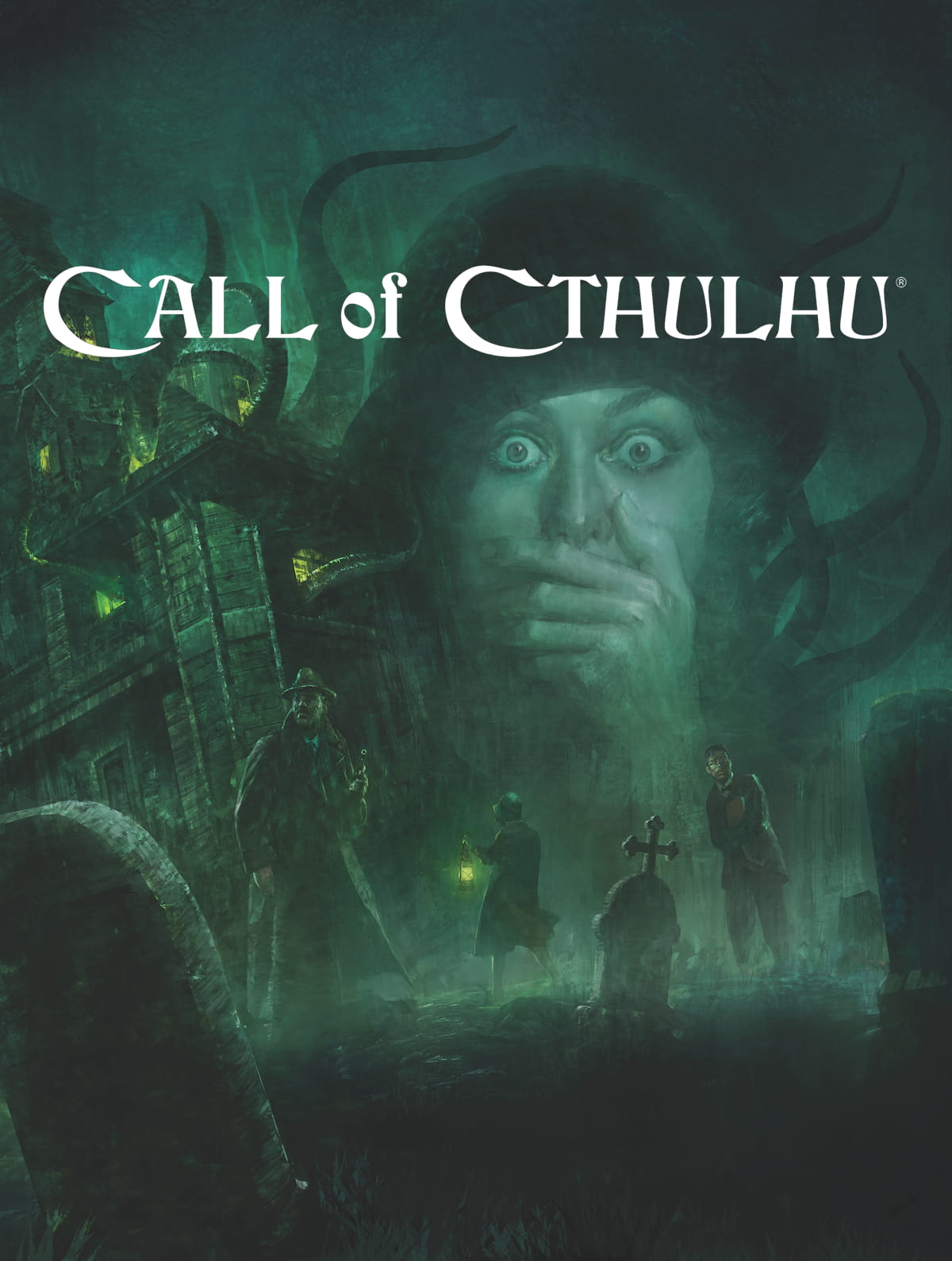
Call of Cthulhu
Call of Cthulhu is the classic game of investigative cosmic horror. Play doomed investigators probing occult mysteries and fragile sanity.
View system: Call of CthulhuCyberpunk
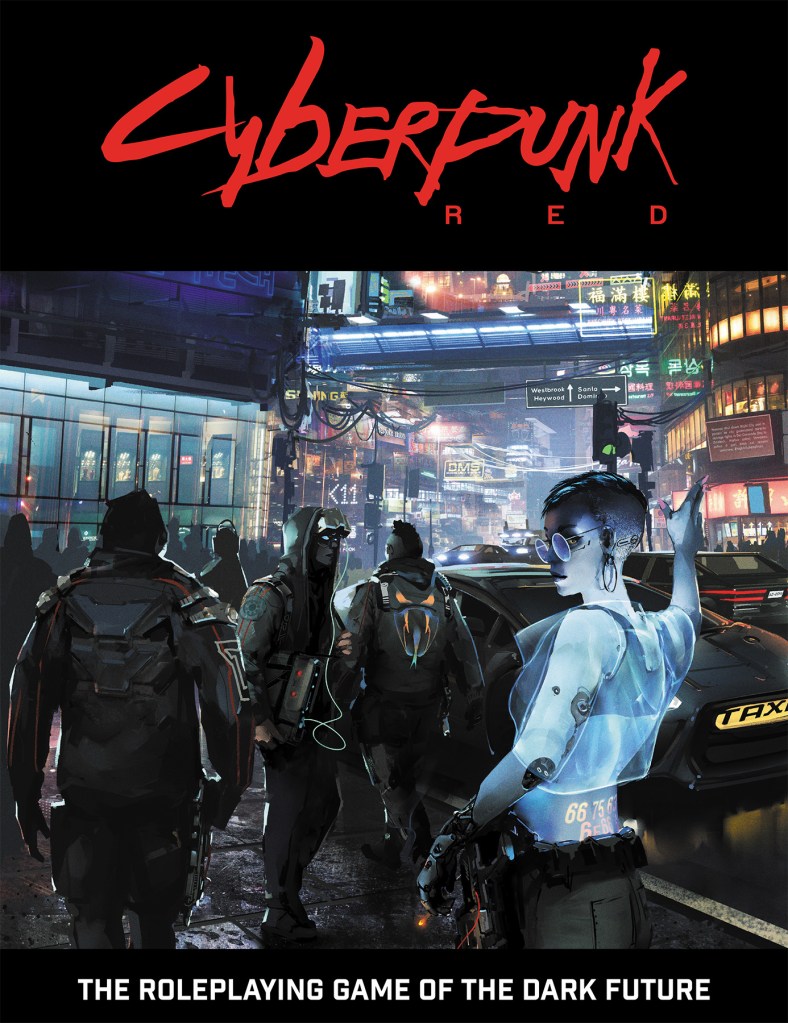
Rule the neon sprawl with Cyberpunk RED, the near-future game of mercs, megacorps and hard choices from R. Talsorian Games. Fast, deadly action, slick tech and tense heists. If you know Cyberpunk 2077, you already feel the grit and style.
View system: CyberpunkWarhammer Fantasy Roleplay
Warhammer Fantasy Roleplay plunges you into the Old World, a grim, disease-ridden land of cults, corruption and hard choices. Think The Witcher, but with black humor and worse odds. Gritty investigations, lethal fights and messy magic, guided by our Game Masters.
View system: Warhammer Fantasy RoleplayALIEN: The Roleplaying Game
Stalk the dark between the stars with ALIEN: The Roleplaying Game, a cinematic survival horror experience. Stress fuels panic and hard choices as you fight to survive. If Ridley Scott's Alien hooked you, this delivers that same cold-sweat dread at the table.
View system: ALIEN: The Roleplaying GameShadowdark
Shadowdark is old-school fantasy with modern polish, built for tense, torchlit dungeon crawls and dangerous choices. Quick to learn, fast to play, and lethal enough to keep you sharp. Think The Witcher’s grim tone with classic treasure-hunting and monster stalking.
View system: ShadowdarkBlades in the Dark
Run daring scores as a crew of scoundrels in a haunted industrial city. Blades in the Dark blends tense heists, gritty consequences, and crew advancement, using flashbacks and stress to keep play fast. Think Dishonored, but you and your friends pull the strings.
View system: Blades in the DarkMörk Borg
Mörk Borg is a rules-light, doom-metal fantasy where the world rots and you try to survive one more night. Brutal, fast and stylish, it plays like Dark Souls filtered through a torn black-metal zine. Perfect for grim one-shots or a doomed mini-campaign.
View system: Mörk BorgMothership
Mothership is sci-fi survival horror where you are spacers scrambling to stay alive as systems fail and something hunts you. Think Alien's tense corridors and hard choices. A professional Game Master guides 2 to 5 players through nail-biting one-shots or mini-campaigns.
View system: MothershipDelta Green
Delta Green is modern-day cosmic horror and conspiracy. You play agents who face impossible threats, cover them up, and pay the personal cost. Think The X-Files with sharper teeth, where victories are fragile and sanity is on the line.
View system: Delta Green


Dark Fantasy
Gritty magic, frail hope, and choices that stain as monsters wear human faces and the cost of victory cuts deep. Think The Witcher, but the…
View genre: Dark FantasySurvival
Cold nights, empty packs, and hard choices. Survival tales test grit and teamwork as you ration supplies, outsmart nature, and face human…
View genre: Survivalby @a3papier Crime
Pull a slick heist, hunt a killer, or navigate the mob's code. Crime games balance planning, pressure, and moral gray choices, from Ocean's…
View genre: CrimeConspiracy
Peel back layers of lies as you chase threads through shadowed rooms, coded files, and double-crosses. Paranoia builds with every clue…
View genre: ConspiracyMystery
Follow the clues, build timelines, and catch the culprit. Think Knives Out, but you are the detective, piecing together alibis and secrets…
View genre: Mysteryby Tessa Survival Horror
Nerve-tightening horror where every bullet, battery, and breath counts. Think The Last of Us, with tense scavenging, fragile hope, and…
View genre: Survival Horrorby Tessa Heist
Assemble the crew, case the target, and pull off the score. Think Ocean's Eleven, with clever plans, expert roles, close calls, and a dash…
View genre: HeistExploration
Set out with a map and a question. Exploration stories chase horizons, chart ruins and wilds, and reward curiosity, like Indiana Jones with…
View genre: ExplorationPolitical Intrigue
Whispers in council chambers, favors traded, knives in the dark. Plot like Game of Thrones, where every alliance has a price and your next…
View genre: Political Intrigue


