

Heist
Your crew meets in a quiet back room. You map the vault, spot cameras, and test the guard’s routine. You pick roles, build disguises, forge credentials, and prepare gadgets or spells. At the table, plans collide with complications. You improvise with quick thinking and bold moves. You choose social cons, stealthy routes, hacking, or rooftop runs. Every choice matters. The best part is the reveal, when earlier setup clicks into place and the score comes together. Then a tense getaway and a final count of what you pulled off.
Heists shine because the objective is clear. The fun is in teamwork. Everyone has a job, so spotlight time feels natural. Planning scenes invite creativity. Flashbacks or prep rolls keep things moving. Beginners enjoy the clear structure. Families can aim for playful capers with low risk. Company teams love the collaboration and problem solving. Veterans dig intricate security puzzles and the pressure of timing. One-shots work well. Mini-campaigns can follow rising stakes, rivals, and the heat from past jobs.
Our Game Masters run heists in Blades in the Dark or Scum and Villainy for focused capers. Dungeons & Dragons 5e works for fantasy break-ins. Shadowrun or The Sprawl suit cyberpunk crews. Leverage or Cortex Prime delivers stylish cons. For comedy, Honey Heist is a fast pick. Tone is flexible, from slick and light to gritty and high risk. The rules can emphasize planning, flashbacks, or tactical stealth. If you want to compare options, browse game systems and pick what fits your table.
Frequently asked questions
What makes a heist game feel different from others?
Heists revolve around a single objective, not clearing rooms or long combats. You plan, infiltrate, and improvise under pressure. Each player fills a role like face, thief, hacker, or lookout, so teamwork drives the action. A professional Game Master keeps planning tight, uses tools like clocks or flashbacks, and cuts between scenes to keep pace. Setbacks escalate tension instead of stopping play. You win by outsmarting security and getting out clean, not by defeating every guard. It feels brisk, clever, and collaborative.
Which game systems suit heists best?
For rules built around capers, Blades in the Dark and Scum and Villainy shine with position, effect, and flashbacks that let you be ready at the right moment. Shadowrun or The Sprawl handle cyberpunk hacking and gear. Dungeons & Dragons 5e supports fantasy break-ins with magic and skill challenges. For stylish cons, Leverage or Cortex Prime fit well. Want something very light and funny? Honey Heist works. If you want to compare options by vibe and complexity, browse game systems.
Is a heist good for beginners or kids?
Yes. The goal is obvious, and roles make it clear how each player helps. Our Game Masters explain options up front, keep planning focused, and let you use flashbacks so you do not get stuck. For kids, tone can be family friendly with cartoonish guards, nonlethal stakes, and shorter sessions. For brand-new adults, a light system reduces rules overhead so you can focus on ideas. You can compare styles that emphasize gentle capers or gritty thrills on the GM playstyles page.
What happens in a heist one-shot session?
Expect a tight arc in 3 to 4 hours. You get a briefing and choose roles, scout one or two details, then jump into the score. During the job, a professional Game Master calls for quick rolls, offers flashbacks for prep you did off screen, and throws in complications like patrols, alarms, or a locked vault. You solve problems fast and keep moving. The session ends with an escape, payoff, and fallout. If time runs short, a professional Game Master trims planning and drops you at the point of entry.
Booking Form


Sent!

Nat 1, try again!
Please try again or email info@storyforgers.com
Blades in the Dark
Run daring scores as a crew of scoundrels in a haunted industrial city. Blades in the Dark blends tense heists, gritty consequences, and crew advancement, using flashbacks and stress to keep play fast. Think Dishonored, but you and your friends pull the strings.
View system: Blades in the DarkMistborn Adventure Game
Plan daring capers in the ash-choked world of Brandon Sanderson's Mistborn. You play a crew of thieves or rebels using metal-fueled powers to outwit nobles and terrifying enforcers. A professional Game Master crafts tight heists, tense politics, and hard choices.
View system: Mistborn Adventure GameHoney Heist
Steal the sweetest score as a crew of criminal bears. This ultra-light heist game runs fast, big laughs, and gleeful chaos as you balance Bear and Criminal without going full grizzly. Think Ocean's Eleven, but sticky and furry, perfect for first-timers and parties.
View system: Honey HeistCyberpunk
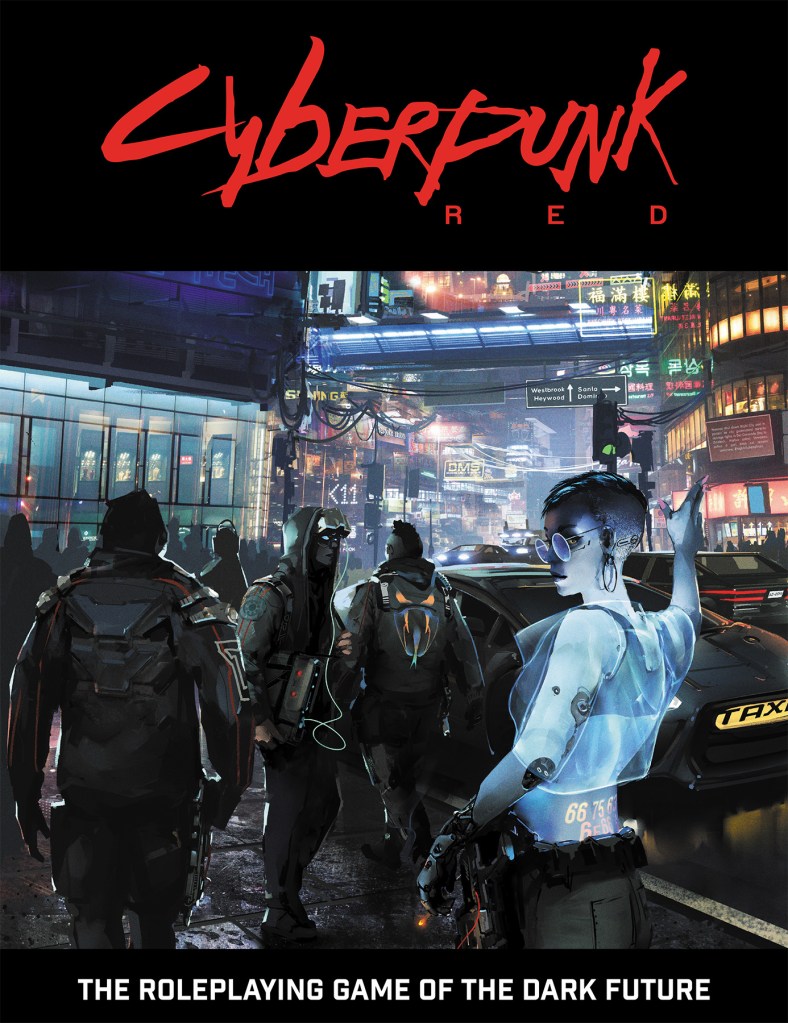
Rule the neon sprawl with Cyberpunk RED, the near-future game of mercs, megacorps and hard choices from R. Talsorian Games. Fast, deadly action, slick tech and tense heists. If you know Cyberpunk 2077, you already feel the grit and style.
View system: CyberpunkDiscworld Roleplaying Game
Step onto Terry Pratchett’s Discworld, where wit and absurdity meet real heart. Chase clues with the City Watch, trade barbs with wizards, or tangle with trolls and guilds. A professional Game Master runs sharp, comedic capers and cozy mysteries for 2 to 6 players.
View system: Discworld Roleplaying GameShadowrun
Neon streets, ruthless megacorps, and awakened magic collide. In Shadowrun you are professional criminals pulling heists, cracking systems, and bargaining with spirits. Think Blade Runner with elves and spells, run by a pro Game Master who keeps the chaos sharp and fun.
View system: ShadowrunRoot: The Roleplaying Game
Skulk, scheme, and survive as vagabonds in the Woodland, caught between warring factions. Root: The Roleplaying Game brings the charming edge of the Root board game to tense intrigue, heists, and diplomacy. Great for clever crews and story-first play.
View system: Root: The Roleplaying GameScum and Villainy
Scum and Villainy is a fast, cinematic space-opera heist game where your crew pulls daring jobs, dodges syndicates and the Hegemony, and keeps the ship flying. Think Firefly with sharp tools for teamwork and trouble. Great for one-shots or ongoing crews.
View system: Scum and VillainyGenesys
Genesys is a universal tabletop RPG that puts story first with custom symbol dice. With a professional Game Master, your group can jump into high fantasy quests, neon cyberpunk, or pulpy space opera, from heists to heroics. Think sweeping adventure in the spirit of The Lord of the Rings.
View system: Genesys





by @a3papier Crime
Pull a slick heist, hunt a killer, or navigate the mob's code. Crime games balance planning, pressure, and moral gray choices, from Ocean's…
View genre: Crimeby Tristan the Lowly Wizard Gritty
Hard choices, scarce resources, and consequences that stick. Think Game of Thrones when trust is fragile, debts come due, and survival has…
View genre: GrittyComedy
Lighthearted adventures where the punchline matters as much as the plot. Think Monty Python and the Holy Grail energy at the table, with…
View genre: ComedyCyberpunk
Neon nights, humming servers, and hard choices. You play hackers, street samurai, and fixers pulling jobs for and against megacorps. Think…
View genre: CyberpunkNoir
Neon, rain and bad options. Noir puts you in the shoes of a weary sleuth or doomed grifter in a city that hides its rot. Think Chinatown’s…
View genre: NoirPolitical Intrigue
Whispers in council chambers, favors traded, knives in the dark. Plot like Game of Thrones, where every alliance has a price and your next…
View genre: Political IntrigueEspionage
Tradecraft, dead drops, double agents, and tense choices under pressure. Think Mission: Impossible brought to the table, where every…
View genre: EspionageSpace Opera
Grand sci-fi melodrama across the stars, with daring pilots, noble rebels, tyrants with planet-killers, and a crew that becomes family…
View genre: Space OperaDystopian
Fight to breathe in a world that watches your every move, think 1984. Hide, hack, and resist as you navigate harsh laws, scarce hope, and…
View genre: Dystopian


