

Heroic
Picture the table when the call to help arrives. Your heroes rally, make a plan, and ride straight at the problem. Sworn oaths, daring rescues, dragon gates kicked open, and a clean stand against a clear villain. The tone is hopeful. The spotlight moves fast, from stirring speeches to last minute saves to celebrating the win. Treasure is nice, but what matters is the people you protect and the banner you raise when the day is saved.
Heroic play is welcoming for newcomers, families, and team events. Goals are clear, choices feel meaningful, and teamwork pays off. You always have something bold to try. The table energy tends to be upbeat, with lots of cheering and quick momentum. Veterans enjoy it too, especially if they like tactical fights framed by noble causes or character growth through valor. It is easy to run one-shots that feel complete, and campaigns that build legends without losing a simple north star.
Our Game Masters run heroic adventures in Dungeons & Dragons 5th Edition, Pathfinder 2nd Edition, 13th Age, Fate, Savage Worlds, and more. Superhero vibes work well in systems like Masks or Mutants & Masterminds, while classic fantasy shines in D&D and 13th Age. Tone can lean bright and earnest, pulpy and quippy, or solemn and mythic. We can keep things PG for kids or punch up the challenge for seasoned groups. See the range on the game systems overview.
Frequently asked questions
How is Heroic play different from dark or gritty fantasy?
In Heroic games the path is bright and purposeful. Goals are clear, and antagonists are plainly harmful. You are expected to act with courage, then get rewarded for it. Risk is real. The GM gives you tools to turn setbacks into comebacks, like hero points, lucky breaks, or timely allies. Consequences matter, yet the story aims for rescue, redemption, or an earned victory rather than bleak loss. Choices focus on how to do the right thing, not whether hope exists.
Which game systems fit the Heroic vibe best?
Several systems shine here. Dungeons & Dragons 5e, Pathfinder 2e, and 13th Age deliver bold fantasy with tactical set pieces. They leave room for speeches and stunts. Fate and Savage Worlds support cinematic scenes with fast pacing. For capes and masks, try Masks or Mutants & Masterminds. A professional Game Master tunes options like hero points, advancement, and magic items. The goal is steady momentum and fair spotlight time. If you want to compare rules at a glance, check the game systems overview.
Is this a good choice for first-timers or kids?
Yes. Heroic play teaches by doing. Clear objectives, teamwork-forward scenes, and frequent wins help new players feel confident. For kids, a professional Game Master can use simpler sheets, gentler threats, and upbeat themes. For adults new to RPGs, premade characters and rules explanations are built in. Groups that crave more challenge can face tougher foes and clever traps without losing the triumphant mood. To match tone and teaching style to your group, browse GM playstyles and pick what fits.
What should we expect from a Heroic one-shot?
A one-shot usually runs about 3 to 4 hours for 3 to 6 players. Expect a clear call for help, scouting or negotiation, two or three dramatic challenges, and a climactic showdown. You get quick character hooks or pregens, a strong reason to work together, and chances for each hero to shine. The GM keeps the pace brisk, frames stakes around people and ideals, and makes success achievable if you act boldly and smart. You finish with closure, a toast, and tomorrow’s legend seeded.
Booking Form


Sent!

Nat 1, try again!
Please try again or email info@storyforgers.com
Dungeons & Dragons
Forge your own fantasy tale with Dungeons & Dragons. Create a party of bold heroes, outsmart traps, bargain with dragons, and claim treasure in vivid worlds. Think the fellowship spirit of The Lord of the Rings, only you choose the paths, the battles, and the ending.
View system: Dungeons & DragonsDaggerheart
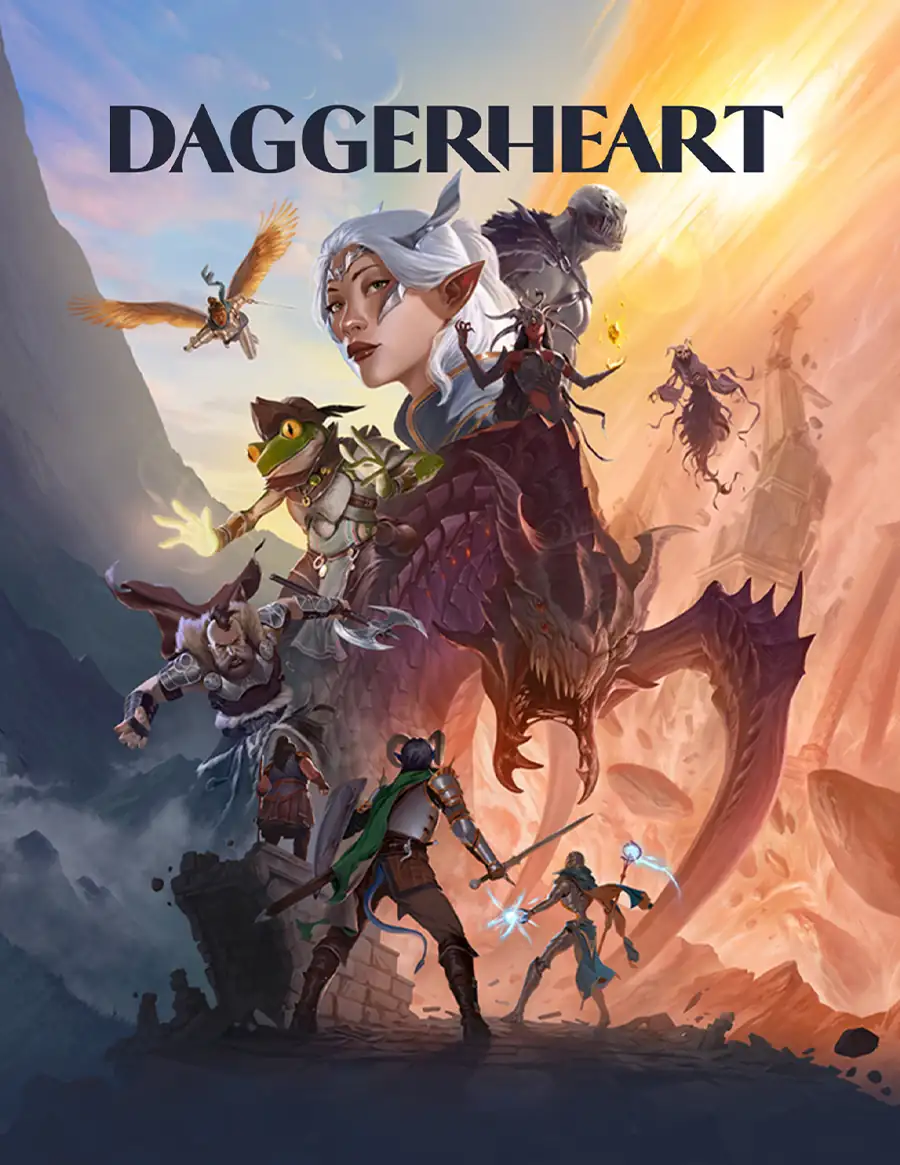
Daggerheart is a high-fantasy RPG where every roll uses Hope and Fear d12s. Big heroics meet meaningful consequences in fast, story-first play.
View system: DaggerheartStarfinder
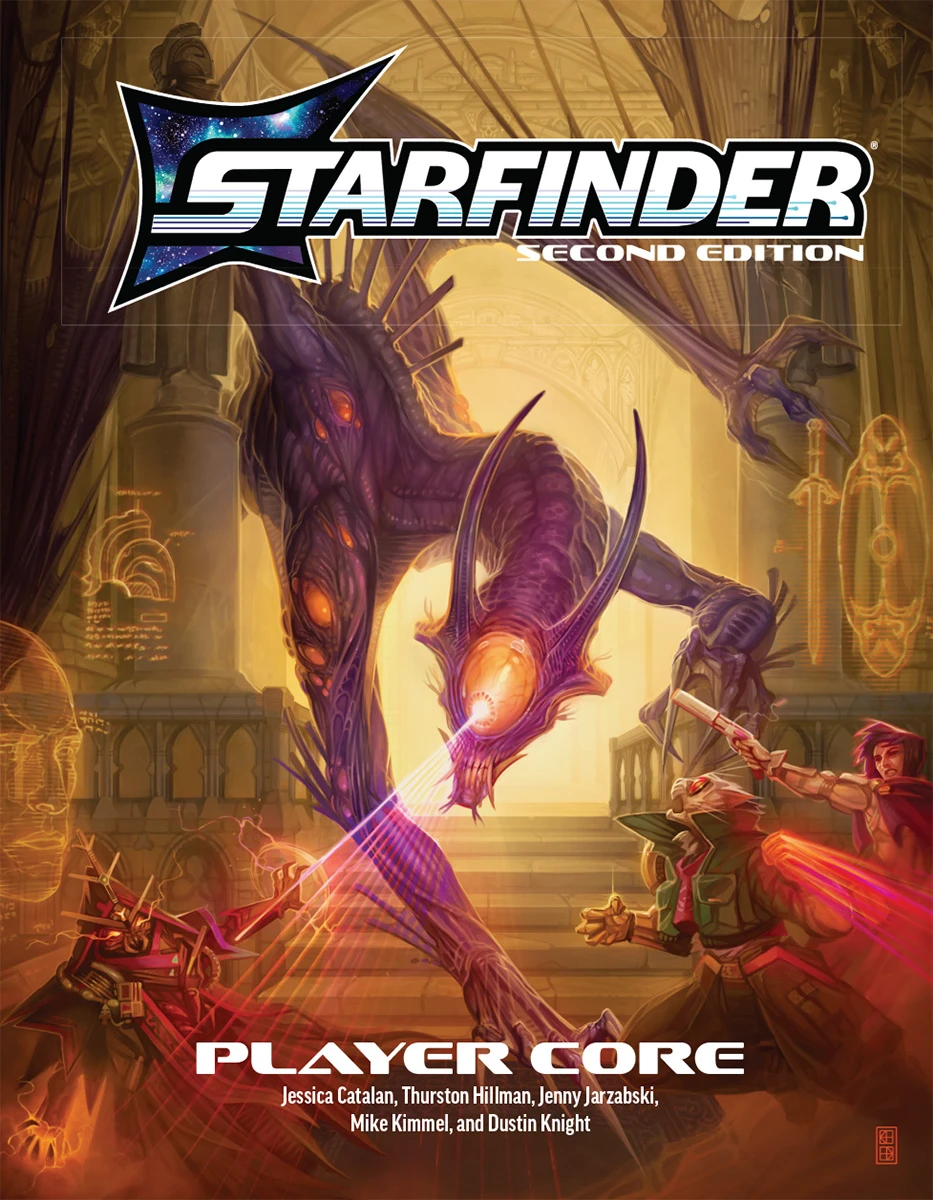
Starfinder is Paizo’s science-fantasy of blaster fights, spell-slinging technomancers, and starship showdowns. Think Mass Effect with magic. Our Game Masters guide you through strange worlds, daring heists, and alien mysteries that reward teamwork and bold choices.
View system: StarfinderThe Dark Eye
The Dark Eye is classic European fantasy with grounded cultures, living gods and cautious magic. Think The Lord of the Rings with more folklore and town intrigue. Explore Aventuria, hunt creatures from legend, and solve problems with steel, wit and heart under a professional Game Master.
View system: The Dark EyeDragonbane
Fast, swingy fantasy built for mirth and mayhem. Dragonbane sweeps you into treasure hunts, monster brawls, and wilderness scrapes that feel like The Hobbit told around a campfire. Perfect for new players and veterans who want bold choices, big laughs, and real peril.
View system: DragonbaneFabula Ultima
Fabula Ultima brings classic JRPG drama to your table. Team up for sweeping battles, bold magic, and heartfelt bonds in a story that feels like Final Fantasy. Perfect if you want colorful heroes, big feelings, and high fantasy stakes with an anime vibe.
View system: Fabula UltimaThe One Ring
Walk the roads of Middle-earth in The One Ring, the official tabletop RPG inspired by Tolkien. Low magic, rich lore, and hard-won hope shape every journey. Form a Company and brave the wild, councils, and combat in stories that feel like The Lord of the Rings.
View system: The One RingAvatar Legends: The Roleplaying Game
Play in the world of Avatar: The Last Airbender with fast martial arts, daring bending and heartfelt choices. PbtA inspired rules focus on balance, growth and bonds. A professional Game Master brings cinematic action and warm, funny team moments that feel like the show.
View system: Avatar Legends: The Roleplaying GameMasks: A New Generation
Masks is the teen superhero RPG where your powers are big and your feelings are bigger. Team up, face villains, and figure out who you are as the city watches. Think the messy heart of Spider-Man blended with fast, story-first action.
View system: Masks: A New Generation



High Fantasy
Vast kingdoms, ancient magic, and heroes on dangerous quests to save more than a town, maybe the world. Think The Lord of the Rings, where…
View genre: High FantasyExploration
Set out with a map and a question. Exploration stories chase horizons, chart ruins and wilds, and reward curiosity, like Indiana Jones with…
View genre: ExplorationEpic
Sweeping sagas of world-shaping stakes and legendary heroes, from first spark to final clash. Think The Lord of the Rings scale in any…
View genre: EpicMedieval
Knights, castles, guild halls, and the weight of oaths. Feudal politics, hungry winters, and hard-won honor, like Game of Thrones at ground…
View genre: Medievalby Max Monster Hunting
Track terrifying creatures, learn their quirks, and bring them down with clever prep and teamwork. Think footprints, bait, and decisive…
View genre: Monster HuntingPolitical Intrigue
Whispers in council chambers, favors traded, knives in the dark. Plot like Game of Thrones, where every alliance has a price and your next…
View genre: Political IntrigueTreasure Hunting
Race through ruins and shipwrecks to claim lost riches, decoding maps, outsmarting traps, and outpacing rivals. Fast, clever, and…
View genre: Treasure Huntingby Amber Superhero
High-speed fights, moral choices, and secret lives. Think Spider-Man, with powers that change the odds and a city that needs saving. Suit…
View genre: SuperheroSpace Opera
Grand sci-fi melodrama across the stars, with daring pilots, noble rebels, tyrants with planet-killers, and a crew that becomes family…
View genre: Space Opera


