

High Fantasy
High fantasy puts you in a living world of kingdoms, ruins, and ancient powers. A session might open at a moonlit crossroads, then cut to a council of elves, a trek across haunted marshes, and a duel atop a tower as a dragon circles. You chase prophecies, guard caravans, unearth lost spells, and bargain with queens. Maps sprawl, cultures differ, and magic changes how people live. Stakes feel big, not just a village, but the balance of a realm or the fate of an age.
At the table it shines because goals are clear, teamwork matters, and every player gets a spotlight. Beginners enjoy strong hooks and visible progress. Families like bold choices and wonder. Team events benefit from cooperation, roleplay prompts, and memorable set pieces. Veterans appreciate layered tactics, lore to dig into, and space for character growth over time. It is easy to scale scenes, from a tense dungeon crawl to courtly intrigue to a fast, cinematic chase.
Our Game Masters often run high fantasy in Dungeons & Dragons, and many also offer Pathfinder Second Edition or 13th Age. You can tune tone and crunch, heroic and colorful, or grounded and perilous. Magic can be bright and plentiful, or rare and mysterious. Combat can be tactical grids, or streamlined for story. Want recommendations? Browse the overview of all game systems, then book a professional Game Master who fits your style.
Frequently asked questions
How is high fantasy different from low or sword-and-sorcery?
High fantasy is set in a distinct world where magic and myth shape daily life. You travel between kingdoms, meet ancient orders, and face threats that can sway a realm or an age. Heroes often answer prophecy or duty. Magic is visible, from rune-lit keeps to dragon-ridden skies. Low fantasy stays grounded, with rarer magic and mostly local stakes. Sword-and-sorcery focuses on personal survival and treasure, not saving the world. If you want sweeping maps, cultures to learn, and choices that echo beyond one town, high fantasy is the fit.
Which game systems work best for high fantasy besides D&D?
Dungeons & Dragons is the standard choice. Pathfinder Second Edition delivers heroic builds and crunchy tactical play. 13th Age blends fast rules with big-story tools like Icons. A professional Game Master can suggest the right match for your group’s pace and complexity. Prefer quicker scenes and fewer rules? They can streamline D&D or offer a rules-light variant of the same vibe. Want tactical maps and combos? Pathfinder 2e shines. Compare options on the overview of all game systems, then pick what fits your goals.
Is high fantasy a good pick for beginners or kids?
Yes. Clear quests and iconic roles help new players choose confidently. A professional Game Master can provide pre-generated characters, teach rules as you play, and keep scenes moving. For kids or mixed ages, the GM can dial back violence, spotlight discovery and teamwork, and use friendlier foes. Expect vivid magic and bold moments without grim detail. Tell the GM your comfort level and attention span so they can tune pace, complexity, and tone. If you want a patient teacher or high-energy storyteller, check the overview of GM playstyles.
What does a high fantasy one-shot usually look like?
You get a complete arc in one session. A strong hook, like stopping a cult’s ritual or recovering a crown, leads to travel, a wonder-filled site, and a pivotal showdown. You might parley in a royal court, cross a cursed pass, then face a sorcerer or dragon. The GM seeds lore and prophecy as flavor, not homework. Magic items and dramatic spells appear early so everyone feels heroic. Expect 3 to 5 key scenes, clear choices, and an ending that resolves the threat while hinting at larger tales.
Booking Form


Sent!

Nat 1, try again!
Please try again or email info@storyforgers.com
Dungeons & Dragons
Forge your own fantasy tale with Dungeons & Dragons. Create a party of bold heroes, outsmart traps, bargain with dragons, and claim treasure in vivid worlds. Think the fellowship spirit of The Lord of the Rings, only you choose the paths, the battles, and the ending.
View system: Dungeons & DragonsDaggerheart
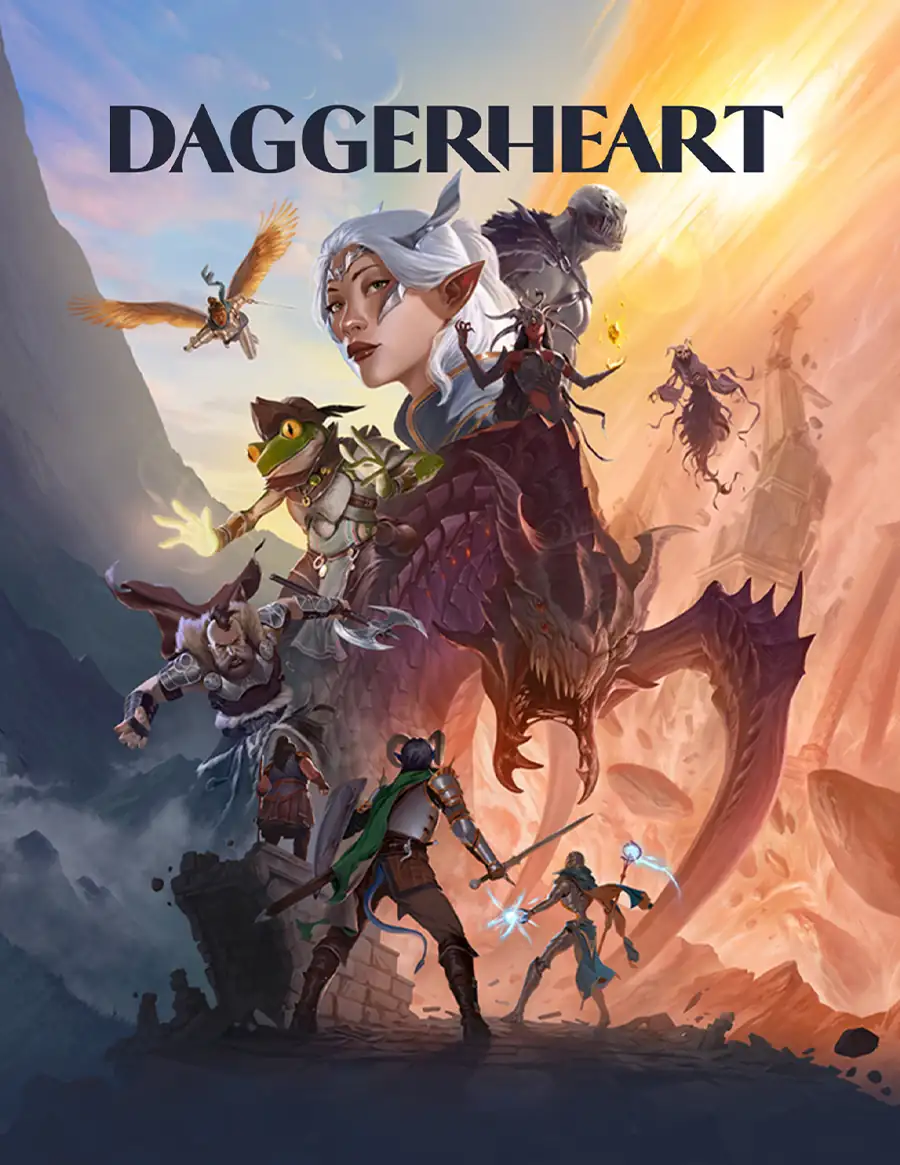
Daggerheart is a high-fantasy RPG where every roll uses Hope and Fear d12s. Big heroics meet meaningful consequences in fast, story-first play.
View system: DaggerheartThe Dark Eye
The Dark Eye is classic European fantasy with grounded cultures, living gods and cautious magic. Think The Lord of the Rings with more folklore and town intrigue. Explore Aventuria, hunt creatures from legend, and solve problems with steel, wit and heart under a professional Game Master.
View system: The Dark EyeDragonbane
Fast, swingy fantasy built for mirth and mayhem. Dragonbane sweeps you into treasure hunts, monster brawls, and wilderness scrapes that feel like The Hobbit told around a campfire. Perfect for new players and veterans who want bold choices, big laughs, and real peril.
View system: DragonbaneThe One Ring
Walk the roads of Middle-earth in The One Ring, the official tabletop RPG inspired by Tolkien. Low magic, rich lore, and hard-won hope shape every journey. Form a Company and brave the wild, councils, and combat in stories that feel like The Lord of the Rings.
View system: The One RingDungeon World
Fast, story-first fantasy where heroes improvise bold moves and the dice keep things risky. If you love The Lord of the Rings, you will enjoy daring quests, ruin delves and hard choices. Great for new players and veterans who want quick action and teamwork.
View system: Dungeon World13th Age
13th Age is fast, story-forward fantasy built on the classic d20. You are bold heroes tied to powerful Icons whose rivalries shape your quests, politics and battles. Think The Lord of the Rings with bigger moves and cinematic fights, perfect for groups who want action and intrigue.
View system: 13th AgeGenesys
Genesys is a universal tabletop RPG that puts story first with custom symbol dice. With a professional Game Master, your group can jump into high fantasy quests, neon cyberpunk, or pulpy space opera, from heists to heroics. Think sweeping adventure in the spirit of The Lord of the Rings.
View system: GenesysWarhammer Age of Sigmar: Soulbound
Stand as mythic heroes bound by fate in Warhammer Age of Sigmar: Soulbound. Quest across the Mortal Realms, battling Chaos, beasts, and mad gods. If you enjoy God of War's mythic scale, you will love this fast, heroic team play with a professional Game Master.
View system: Warhammer Age of Sigmar: Soulbound



Heroic
Stand tall, choose the right thing, and win the day. Heroic games feel like The Lord of the Rings, with bold vows, last stands, rescued…
View genre: HeroicExploration
Set out with a map and a question. Exploration stories chase horizons, chart ruins and wilds, and reward curiosity, like Indiana Jones with…
View genre: ExplorationMedieval
Knights, castles, guild halls, and the weight of oaths. Feudal politics, hungry winters, and hard-won honor, like Game of Thrones at ground…
View genre: Medievalby Max Monster Hunting
Track terrifying creatures, learn their quirks, and bring them down with clever prep and teamwork. Think footprints, bait, and decisive…
View genre: Monster HuntingEpic
Sweeping sagas of world-shaping stakes and legendary heroes, from first spark to final clash. Think The Lord of the Rings scale in any…
View genre: EpicTreasure Hunting
Race through ruins and shipwrecks to claim lost riches, decoding maps, outsmarting traps, and outpacing rivals. Fast, clever, and…
View genre: Treasure HuntingPolitical Intrigue
Whispers in council chambers, favors traded, knives in the dark. Plot like Game of Thrones, where every alliance has a price and your next…
View genre: Political IntrigueWilderness
Boots on the trail, maps in hand, miles of untamed terrain between you and safety. Think the Fellowship crossing the wilds of Middle-earth…
View genre: WildernessComedy
Lighthearted adventures where the punchline matters as much as the plot. Think Monty Python and the Holy Grail energy at the table, with…
View genre: Comedy

