

Mecha
Startup tones echo across the hangar. Armor locks release and the world shakes as your mech steps out. You lead a squad through sorties, raids, and tense duels with rival aces. Between missions, you trade intel, hash out orders, and tune frames for the next push. Heat climbs. Warnings bloom. You decide whether to risk an overdrive, hold formation, or eject and live to fight again.
At the table, mecha shines through teamwork and clear objectives. Roles matter, like striker, support, and scout. Maps and ranges make choices bite, while pilots get strong character scenes. Beginners enjoy the cinematic action and mission structure. Families like the cooperative feel. Team events thrive on coordination and comms. Veterans dig buildcraft, resource tradeoffs, and tight squad tactics. Everyone gets a turn under the spotlight.
Our Game Masters run Lancer for deep builds and tactical maps, or Beam Saber for story-first squads and rich downtime. MechWarrior and BattleTech fit classic mercenary arcs. The Mecha Hack and Fate move fast. Tone can be grounded military, high-drama super robot, or even bleak salvage and horror. We tune complexity, mission length, and upgrade loops to fit your group. See the game systems we run for options.
Frequently asked questions
How is Mecha different from other sci-fi games?
Mecha centers your character around a single machine. Your choices live in that cockpit: heat, ammo, systems, and positioning on the map. Fights feel like duels and coordinated sorties, not generic blaster skirmishes. Between missions you tune frames, manage repairs, and navigate rival pilots and factions. The spotlight shifts between metal and human, so a damaged arm might mean a scar in play and time in the hangar. If you enjoy engineering tradeoffs and tight squad coordination, Mecha delivers both.
Which systems fit Mecha, and how do they feel?
Several systems capture different flavors. Lancer offers deep builds, tactical maps, and crunchy heat management. Beam Saber focuses on squad drama, missions, and downtime with lighter combat detail. MechWarrior and BattleTech bring classic mercenary arcs and heavier simulation. The Mecha Hack and Fate run fast for convention slots or mixed ages. A professional Game Master will suggest pregens or custom builds to match your group’s pace. For an overview of options, see our systems list.
Is Mecha OK for beginners or kids, and can we set the tone?
Yes. Mecha is friendly to first-timers because missions give clear goals and each pilot has a role. For kids or mixed groups, your Game Master can use prebuilt frames, limit bookkeeping, and spotlight teamwork over logistics. You set content lines before play, so themes like war, loss, or collateral damage can be softened or skipped. Tone is adjustable, from grounded military to bright super-robot heroics or scrapyard survival. If you want to compare lighter and crunchier rules before deciding, check our systems list.
What should we expect from a Mecha one-shot?
A one-shot usually starts with a briefing, then loadout choices for your frames. Expect one to two set pieces on a clear map, such as holding a bridge, intercepting a kaiju, or dueling a rival ace. Heat, strain, and terrain make choices bite, but the Game Master streamlines rules so you keep moving. You will get a debrief or epilogue to wrap the story, with optional upgrades if time allows. Prebuilt mechs are ready, or you can speed-build a simple rig at the table.
Booking Form


Sent!

Nat 1, try again!
Please try again or email info@storyforgers.com
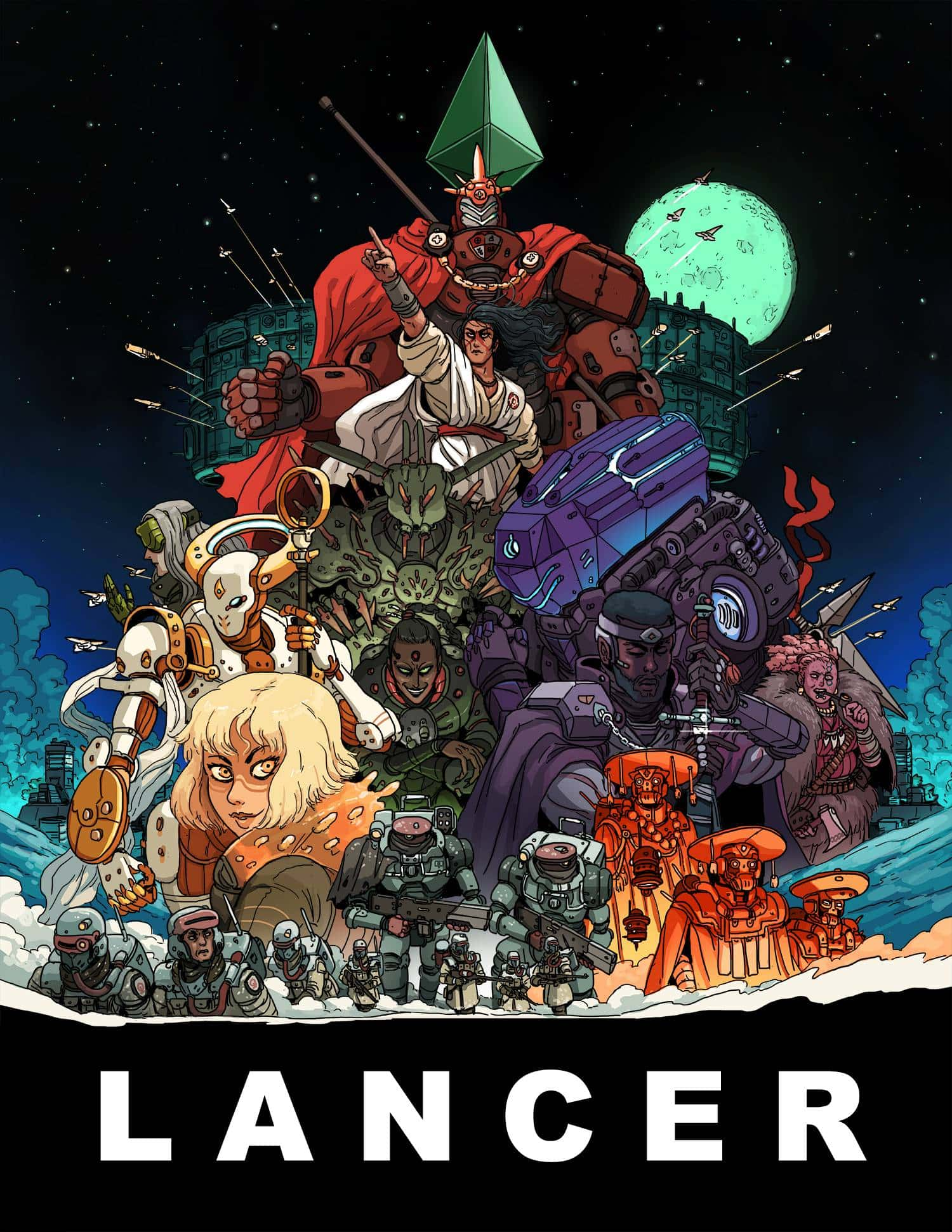
Lancer
Pilot a custom-built mech in high-stakes missions that blend sharp tactics with character drama. Lancer delivers crunchy battles and sweeping sci-fi about duty, politics, and hope. If you love Gundam, you will feel right at home.
View system: LancerDungeons & Dragons
Forge your own fantasy tale with Dungeons & Dragons. Create a party of bold heroes, outsmart traps, bargain with dragons, and claim treasure in vivid worlds. Think the fellowship spirit of The Lord of the Rings, only you choose the paths, the battles, and the ending.
View system: Dungeons & DragonsCall of Cthulhu
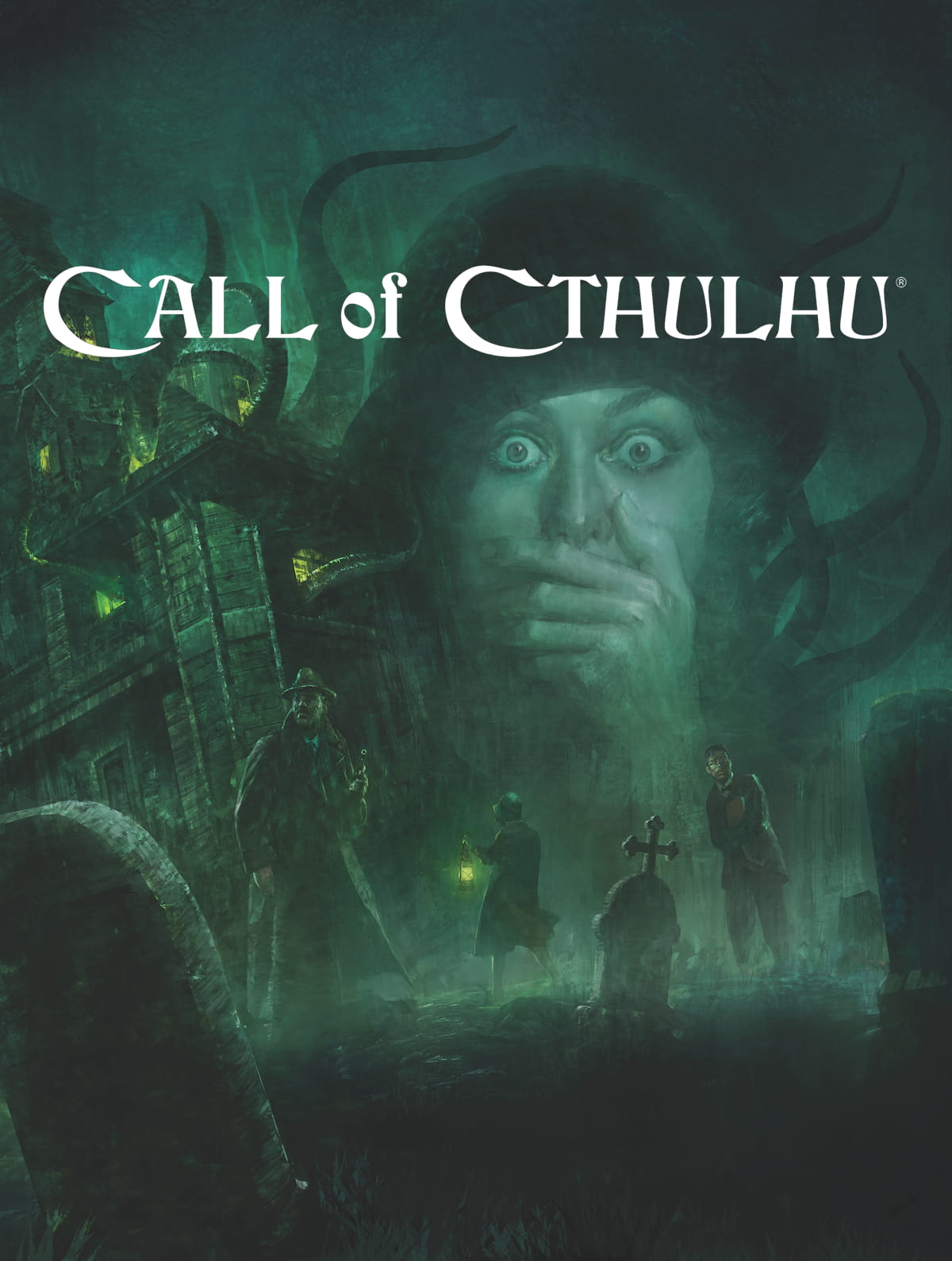
Call of Cthulhu is the classic game of investigative cosmic horror. Play doomed investigators probing occult mysteries and fragile sanity.
View system: Call of CthulhuDaggerheart
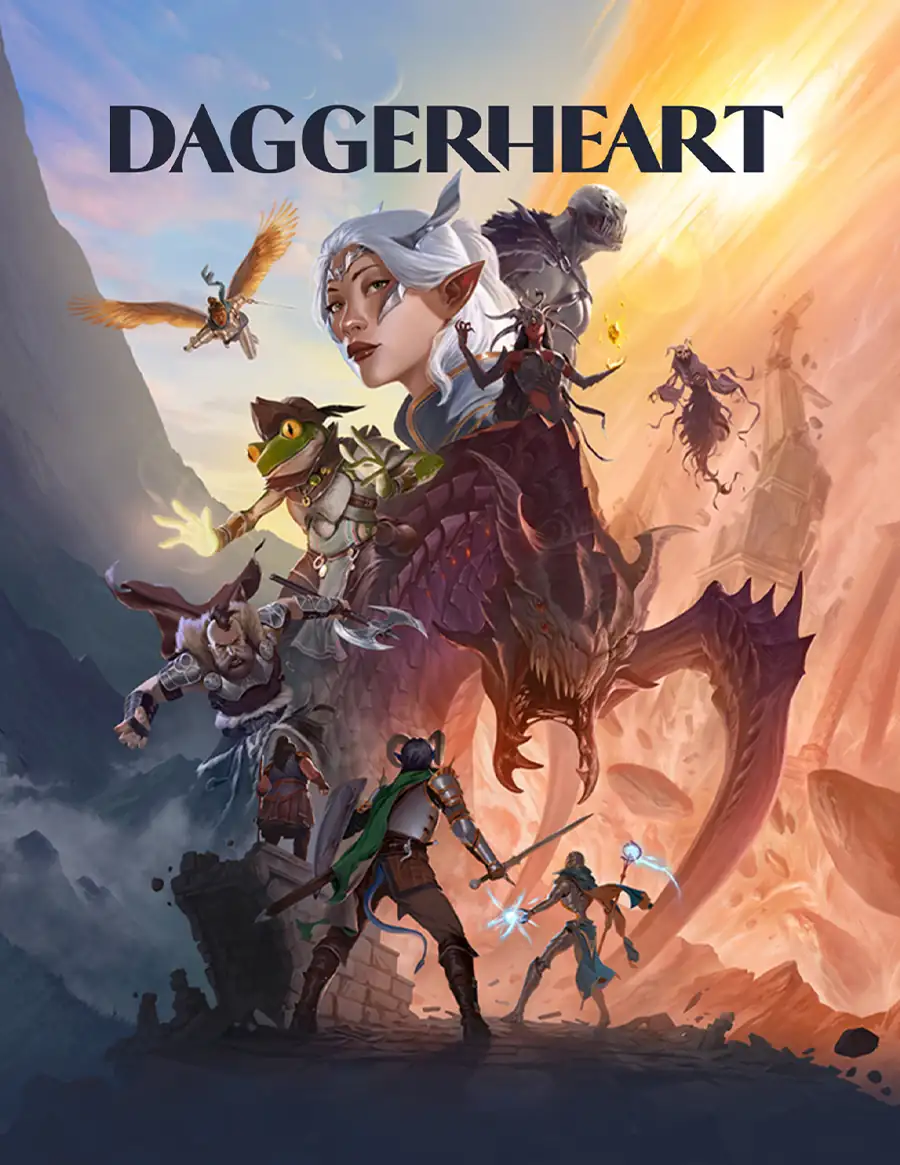
Daggerheart is a high-fantasy RPG where every roll uses Hope and Fear d12s. Big heroics meet meaningful consequences in fast, story-first play.
View system: DaggerheartVampire: The Masquerade
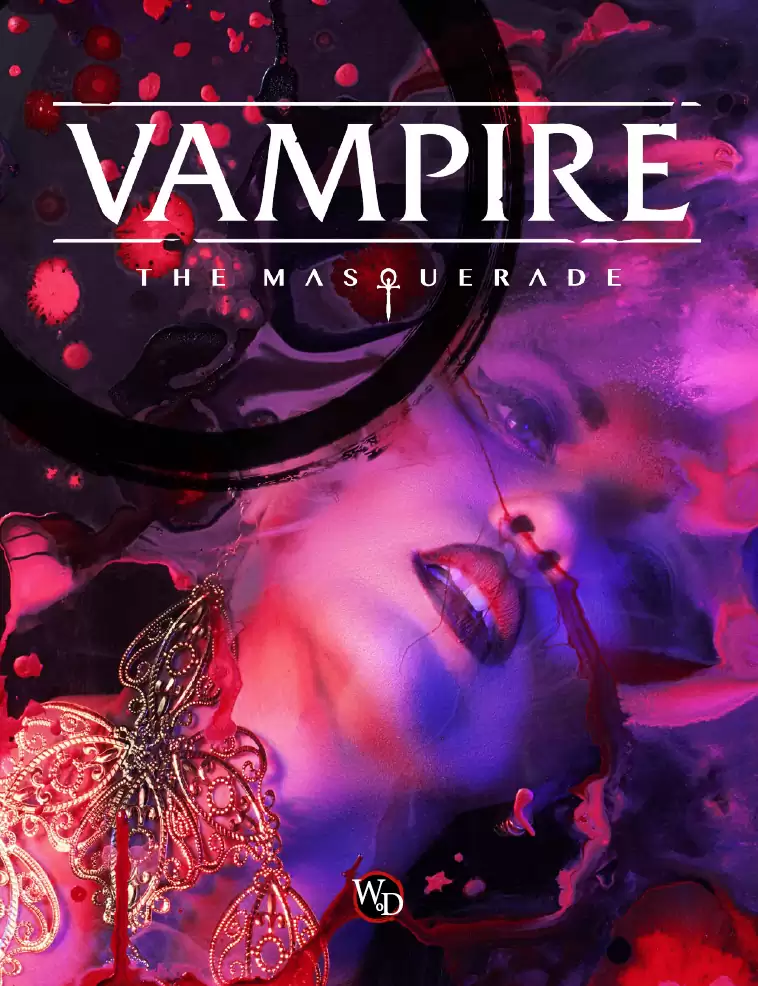
Vampire: The Masquerade is modern-night roleplay about hunger, power and secrecy. Think Interview with the Vampire, but you make the calls. Scheme, seduce and survive as a coterie while a professional Game Master brings a city of dark politics to life.
View system: Vampire: The MasqueradeCyberpunk
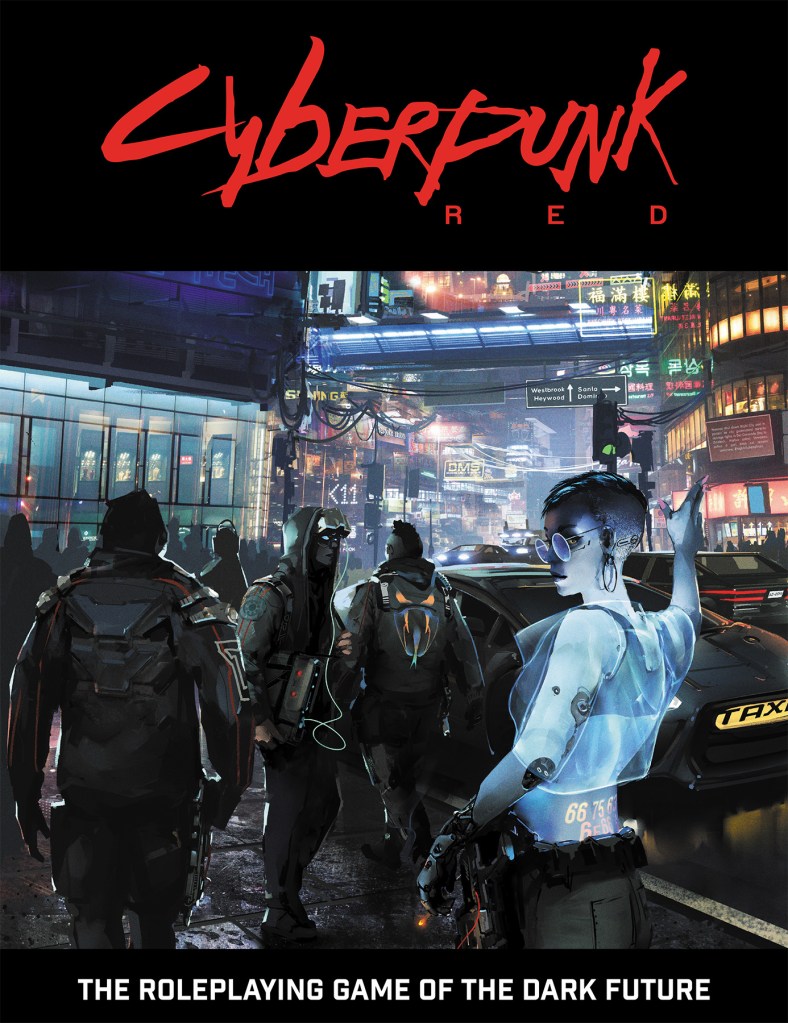
Rule the neon sprawl with Cyberpunk RED, the near-future game of mercs, megacorps and hard choices from R. Talsorian Games. Fast, deadly action, slick tech and tense heists. If you know Cyberpunk 2077, you already feel the grit and style.
View system: CyberpunkStarfinder
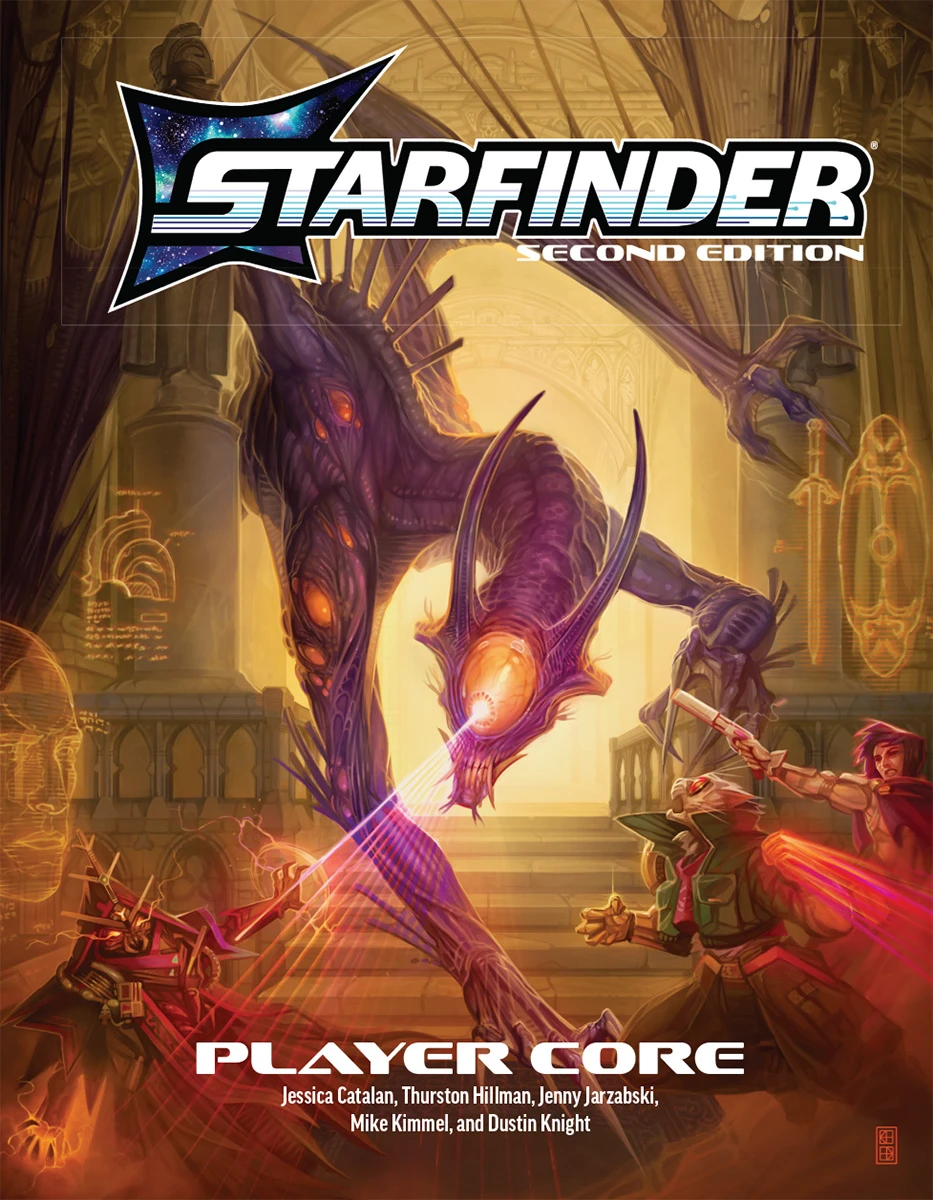
Starfinder is Paizo’s science-fantasy of blaster fights, spell-slinging technomancers, and starship showdowns. Think Mass Effect with magic. Our Game Masters guide you through strange worlds, daring heists, and alien mysteries that reward teamwork and bold choices.
View system: StarfinderWarhammer Fantasy Roleplay
Warhammer Fantasy Roleplay plunges you into the Old World, a grim, disease-ridden land of cults, corruption and hard choices. Think The Witcher, but with black humor and worse odds. Gritty investigations, lethal fights and messy magic, guided by our Game Masters.
View system: Warhammer Fantasy RoleplayALIEN: The Roleplaying Game
Stalk the dark between the stars with ALIEN: The Roleplaying Game, a cinematic survival horror experience. Stress fuels panic and hard choices as you fight to survive. If Ridley Scott's Alien hooked you, this delivers that same cold-sweat dread at the table.
View system: ALIEN: The Roleplaying Game



Space Opera
Grand sci-fi melodrama across the stars, with daring pilots, noble rebels, tyrants with planet-killers, and a crew that becomes family…
View genre: Space Operaby Amber Anime
Big feelings, bold archetypes, and kinetic fights. Build your crew, trade rival banter, and level up in stories that hit like My Hero…
View genre: AnimeDystopian
Fight to breathe in a world that watches your every move, think 1984. Hide, hack, and resist as you navigate harsh laws, scarce hope, and…
View genre: DystopianPolitical Intrigue
Whispers in council chambers, favors traded, knives in the dark. Plot like Game of Thrones, where every alliance has a price and your next…
View genre: Political IntrigueMilitary
Tight-knit squads under fire, hard choices, maps on the table, and the grind of supply lines. Think Band of Brothers, but you decide the…
View genre: MilitaryRebellion
Whispered plots, daring raids, and hard choices as you rise against power. Think The Hunger Games energy brought to your table, where every…
View genre: RebellionFuturistic
Near to far future adventures where tech drives every choice, from neon megacities to deep-space outposts. Think The Expanse as you hack…
View genre: FuturisticHigh Fantasy
Vast kingdoms, ancient magic, and heroes on dangerous quests to save more than a town, maybe the world. Think The Lord of the Rings, where…
View genre: High FantasyDark Fantasy
Gritty magic, frail hope, and choices that stain as monsters wear human faces and the cost of victory cuts deep. Think The Witcher, but the…
View genre: Dark Fantasy

