

Medieval
Picture muddy roads between walled towns, torchlight in stone halls, and church bells over a market square. Your group might escort a caravan past outlaw camps, bargain with a baron at his long table, or sneak through a besieged gatehouse as ladders rise to the walls. Oaths matter. Silver is counted. A guild charter can open doors, or close them. Steel decides some disputes, but so do clever words. A session can move from a tense manor court to a quiet abbey library, then back to the field where banners meet.
Medieval play gives clear stakes and easy hooks. Land, safety, reputation, and winter stores make choices feel real. That helps beginners settle in fast, and mixed groups or families stay engaged. Team events work well too, since problems invite negotiation, logistics, and trust between roles like knight, steward, scout, and clerk. Veterans love the layered politics, grittier combat, and the joy of building influence from farmstead to castle. Your table decides how much spotlight falls on travel, investigation, courtroom intrigue, or pitched battles.
Our Game Masters run this genre in many styles. Dungeons and Dragons 5th Edition or Pathfinder for classic quests. Pendragon for chivalry and honor. Zweihander or Warhammer Fantasy Roleplay for grimy danger. HarnMaster or GURPS for historical realism. Fate or Dungeon World for fast storytelling. You can keep it historical, add low magic, or go full folklore with saints, fae, and curses. Your Game Master can tune the tone, bright and courtly or muddy and hard. For choices across rules and virtual tables, see the game systems available.
Frequently asked questions
Which RPG systems suit medieval play best?
Different systems change the feel. D&D 5E or Pathfinder give familiar quests with castles and guilds on top. Pendragon centers chivalry, honor, and seasons of court life. Warhammer Fantasy Roleplay or Zweihander lean grim and dangerous, with disease, debt, and bad odds. HarnMaster or GURPS prize historical detail, from armor layers to travel time. Fate or Dungeon World keep it fast and story-first. Tell the Game Master what you want from realism, magic, and combat risk. They will recommend a fit. You can also browse options on the game systems overview: compare systems.
Can the tone be courtly or gritty? Magic or none?
Yes, medieval play stretches both ways. You can keep it historical, with no spells and attention to law, land, and church. Or add folklore, with saints, fae, curses, and charms. Choose bright pageantry and courtly love, or mud, hunger, and hard choices. Decide what to spotlight, from manor courts and guild deals to sieges and skirmishes. Also say what to leave out, like sexism or torture. Your Game Master will tune scenes and mechanics to match. If you like to pick by GM approach, see playstyle options.
Is medieval a good fit for beginners or kids?
Yes. Goals are concrete, like safety, food, or reputation, so new players grasp stakes quickly. Roles are easy to picture, such as knight, squire, archer, merchant’s clerk, or monk. A professional Game Master can teach rules as you go and keep choices clear. For kids or classrooms, the tone can focus on fairs, heraldry, riddles, saints’ days, and teamwork, with brief, non-gory combat. Before play, you can agree on topics to avoid and how harsh the world should feel.
What happens in a medieval one-shot session?
A one-shot centers on one tight situation with a clear objective. Examples include brokering peace between rival vassals before a levy marches, guarding a caravan through outlaw country, exposing a saboteur inside a guildhall, or slipping into a fortress by night to lift a siege. You start close to the problem, with roles tied by oath or pay. The session ends with a concrete result, like a sealed charter, a safe delivery, a trial, or hard-won land rights.
Booking Form


Sent!

Nat 1, try again!
Please try again or email info@storyforgers.com
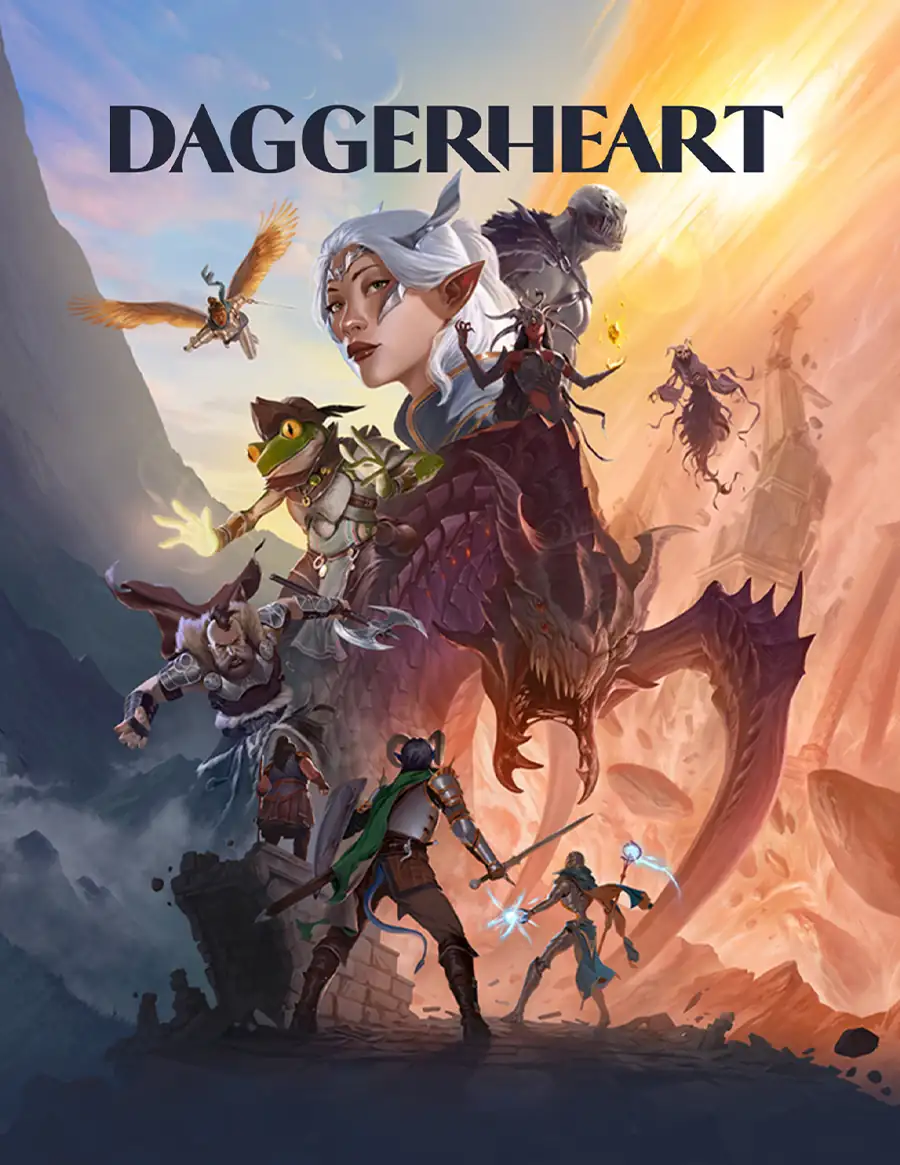
Daggerheart
Daggerheart is a high-fantasy RPG where every roll uses Hope and Fear d12s. Big heroics meet meaningful consequences in fast, story-first play.
View system: DaggerheartWarhammer Fantasy Roleplay
Warhammer Fantasy Roleplay plunges you into the Old World, a grim, disease-ridden land of cults, corruption and hard choices. Think The Witcher, but with black humor and worse odds. Gritty investigations, lethal fights and messy magic, guided by our Game Masters.
View system: Warhammer Fantasy RoleplayShadowdark
Shadowdark is old-school fantasy with modern polish, built for tense, torchlit dungeon crawls and dangerous choices. Quick to learn, fast to play, and lethal enough to keep you sharp. Think The Witcher’s grim tone with classic treasure-hunting and monster stalking.
View system: ShadowdarkThe Dark Eye
The Dark Eye is classic European fantasy with grounded cultures, living gods and cautious magic. Think The Lord of the Rings with more folklore and town intrigue. Explore Aventuria, hunt creatures from legend, and solve problems with steel, wit and heart under a professional Game Master.
View system: The Dark EyeDragonbane
Fast, swingy fantasy built for mirth and mayhem. Dragonbane sweeps you into treasure hunts, monster brawls, and wilderness scrapes that feel like The Hobbit told around a campfire. Perfect for new players and veterans who want bold choices, big laughs, and real peril.
View system: DragonbaneMörk Borg
Mörk Borg is a rules-light, doom-metal fantasy where the world rots and you try to survive one more night. Brutal, fast and stylish, it plays like Dark Souls filtered through a torn black-metal zine. Perfect for grim one-shots or a doomed mini-campaign.
View system: Mörk BorgThe One Ring
Walk the roads of Middle-earth in The One Ring, the official tabletop RPG inspired by Tolkien. Low magic, rich lore, and hard-won hope shape every journey. Form a Company and brave the wild, councils, and combat in stories that feel like The Lord of the Rings.
View system: The One RingDungeon World
Fast, story-first fantasy where heroes improvise bold moves and the dice keep things risky. If you love The Lord of the Rings, you will enjoy daring quests, ruin delves and hard choices. Great for new players and veterans who want quick action and teamwork.
View system: Dungeon World13th Age
13th Age is fast, story-forward fantasy built on the classic d20. You are bold heroes tied to powerful Icons whose rivalries shape your quests, politics and battles. Think The Lord of the Rings with bigger moves and cinematic fights, perfect for groups who want action and intrigue.
View system: 13th Age


High Fantasy
Vast kingdoms, ancient magic, and heroes on dangerous quests to save more than a town, maybe the world. Think The Lord of the Rings, where…
View genre: High FantasyExploration
Set out with a map and a question. Exploration stories chase horizons, chart ruins and wilds, and reward curiosity, like Indiana Jones with…
View genre: ExplorationHeroic
Stand tall, choose the right thing, and win the day. Heroic games feel like The Lord of the Rings, with bold vows, last stands, rescued…
View genre: Heroicby Max Monster Hunting
Track terrifying creatures, learn their quirks, and bring them down with clever prep and teamwork. Think footprints, bait, and decisive…
View genre: Monster HuntingTreasure Hunting
Race through ruins and shipwrecks to claim lost riches, decoding maps, outsmarting traps, and outpacing rivals. Fast, clever, and…
View genre: Treasure HuntingEpic
Sweeping sagas of world-shaping stakes and legendary heroes, from first spark to final clash. Think The Lord of the Rings scale in any…
View genre: EpicDark Fantasy
Gritty magic, frail hope, and choices that stain as monsters wear human faces and the cost of victory cuts deep. Think The Witcher, but the…
View genre: Dark FantasyPolitical Intrigue
Whispers in council chambers, favors traded, knives in the dark. Plot like Game of Thrones, where every alliance has a price and your next…
View genre: Political IntrigueWilderness
Boots on the trail, maps in hand, miles of untamed terrain between you and safety. Think the Fellowship crossing the wilds of Middle-earth…
View genre: Wilderness

