

Military
Picture a briefing room at dawn. A table map, scribbled orders, and call signs on a whiteboard. You choose the plan, assign fireteams, and cross the line of departure. A session might shift from careful recon to a firefight, then to triage and extraction, with radio chatter tying it together. Between missions, you handle resupply, intel, promotions, and the weight of command. It is about cohesion under stress, smart use of terrain, and finishing the objective when the situation changes.
Military games shine because everyone has a role and a clear objective. They reward teamwork, quick thinking, and listening. They work well for tactically minded groups, team events that want cooperation under pressure, and veterans of RPGs who enjoy planning. Beginners do well too, thanks to simple briefs and checklists. Families can pick age-friendlier spins with fantasy units or rescue-focused missions. A professional Game Master sets expectations, uses safety tools for wartime themes, and keeps the tone focused and respectful.
Our Game Masters run military play in many systems, from gritty to cinematic. Twilight: 2000 for survival and modern realism. Only War for Warhammer 40,000 squads. Savage Worlds, GURPS, Fate, or Genesys for flexible styles. D&D 5e for military fantasy. Lancer or the ALIEN RPG for sci-fi operations. See options on our game systems page. Tone can be tuned to your group, from logistics and fog of war to heroic action with abstract ammo, and from ground-level missions to command decisions.
Frequently asked questions
How is a military RPG different from combat-heavy fantasy?
Military play centers on objectives, command structure, and coordinated roles. You plan routes, assign responsibilities, and manage comms and supplies. Contact is not the whole session. Recon, breaching, overwatch, and extraction matter just as much. Limited intel, rules of engagement, and collateral risk shape choices. Consequences carry forward through debriefs and shifts in gear or status. Our Game Masters frame scenes to reward teamwork and timing, not only personal heroics, so smart positioning and clear orders beat lone-wolf moves.
Is this a good pick for beginners or for kids?
Beginners do well because missions are clear. A professional Game Master gives you role cards, prebuilt characters, and short procedures for movement, fire, and first aid. Complexity is added only when you want it. For kids or mixed ages, the focus can shift to patrols, rescues, and defense, with non-graphic description and fantasy or sci-fi units if you prefer. Safety tools such as lines and veils and mid-session check-ins keep content comfortable. Everyone gets turns and a job that matters.
Which systems fit, and how realistic can we make it?
Military stories run well in many systems. For gritty survival and modern detail, Twilight: 2000 shines. Warhammer 40,000 squads use Only War. Lancer and the ALIEN RPG cover sci-fi ops. D&D 5e can do military fantasy. Toolkit engines like Savage Worlds, GURPS, Fate, or Genesys let us match your taste. Our Game Masters can run strict ammo, suppression, and morale rules, or keep it cinematic with abstract gear. See examples on our game systems page and ask for the vibe you want.
What should we expect from a one-shot mission?
You will brief fast, choose loadouts, and set a simple plan. Then the squad executes, adapting to contact as intel changes. Expect clear objectives, maps with terrain that matters, radio chatter for coordination, and a debrief to see what your choices achieved. Pregenerated characters keep things moving, and the GM scales difficulty to your table. Online sessions often use a virtual tabletop with tokens and measured ranges, see online play platforms. In person, you might use printed maps or quick sketches.
Booking Form


Sent!

Nat 1, try again!
Please try again or email info@storyforgers.com
Lancer
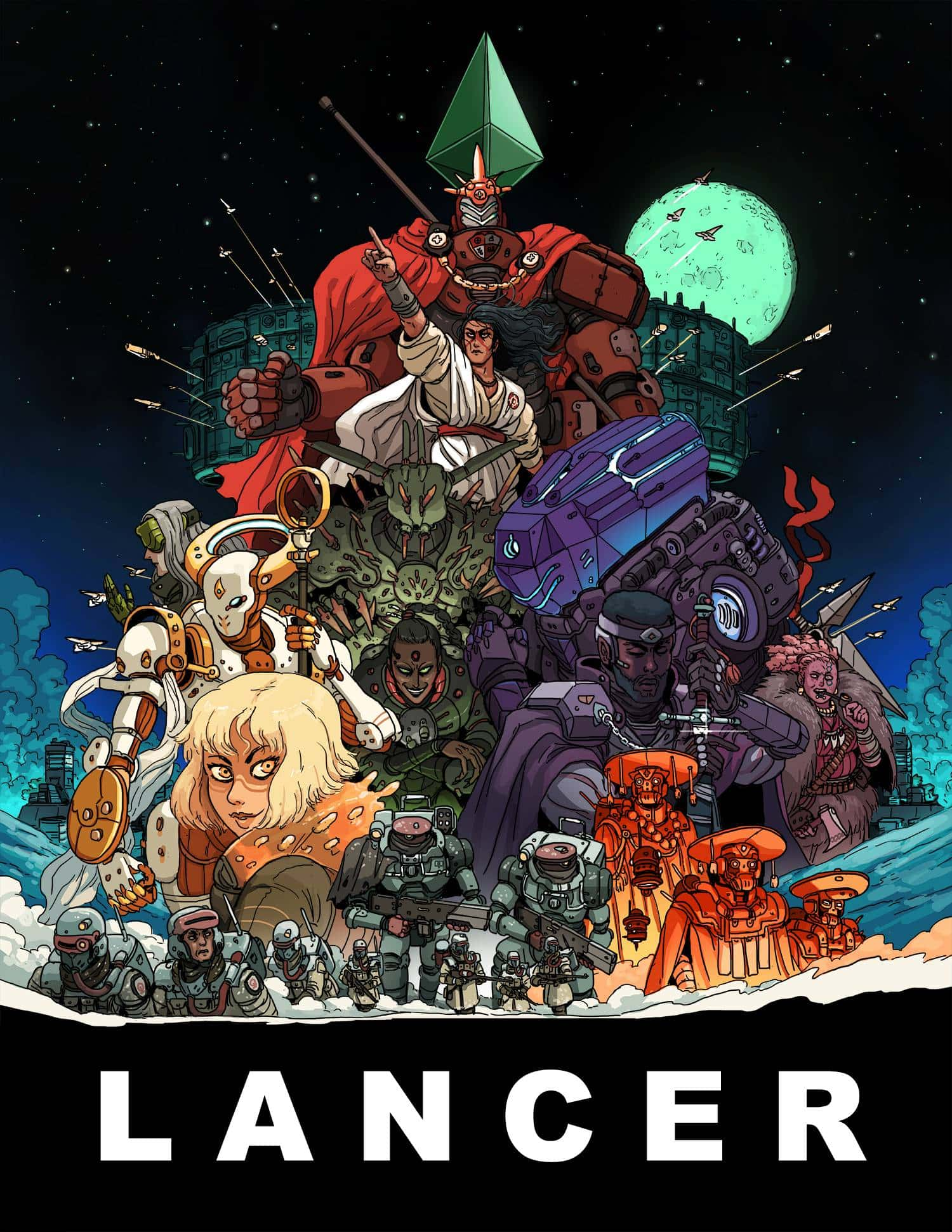
Pilot a custom-built mech in high-stakes missions that blend sharp tactics with character drama. Lancer delivers crunchy battles and sweeping sci-fi about duty, politics, and hope. If you love Gundam, you will feel right at home.
View system: LancerStarfinder
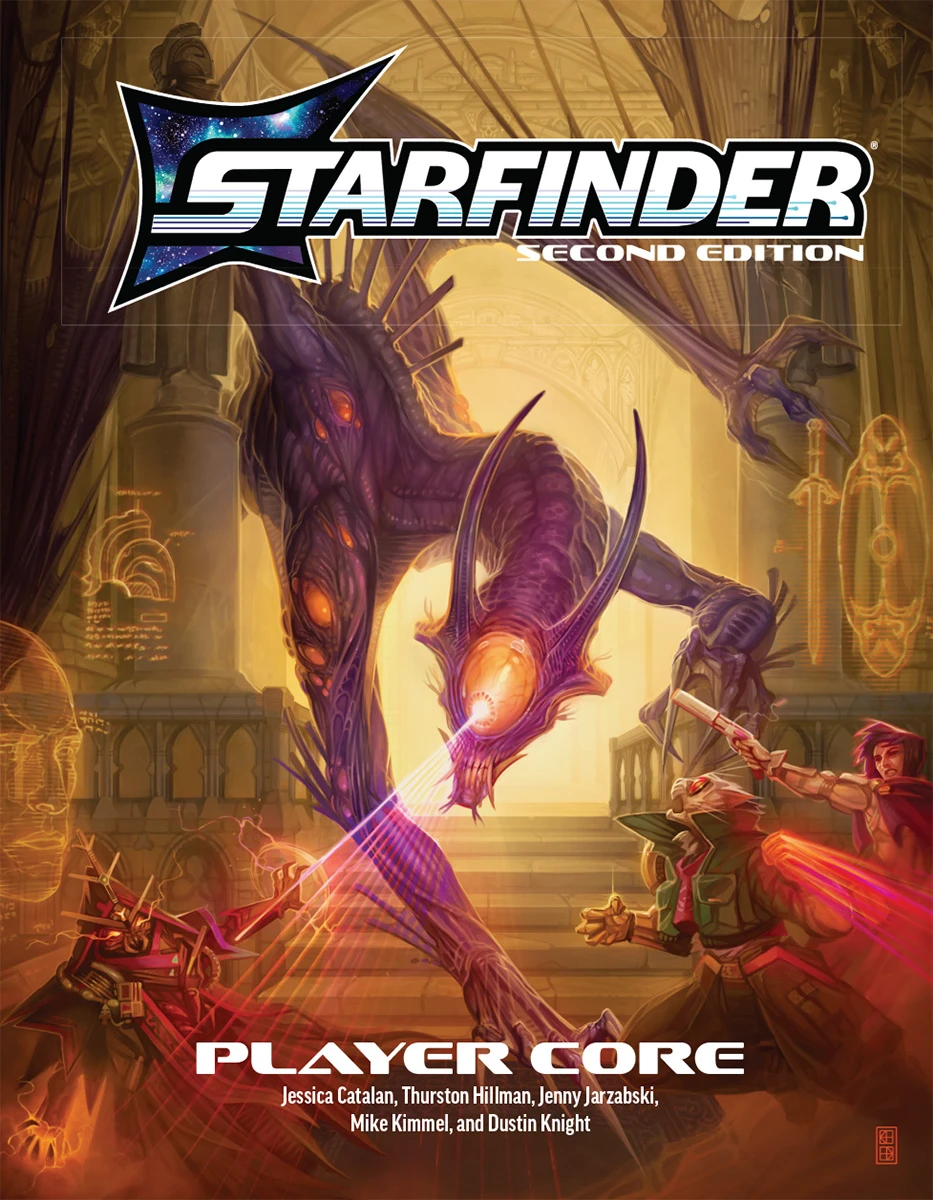
Starfinder is Paizo’s science-fantasy of blaster fights, spell-slinging technomancers, and starship showdowns. Think Mass Effect with magic. Our Game Masters guide you through strange worlds, daring heists, and alien mysteries that reward teamwork and bold choices.
View system: StarfinderALIEN: The Roleplaying Game
Stalk the dark between the stars with ALIEN: The Roleplaying Game, a cinematic survival horror experience. Stress fuels panic and hard choices as you fight to survive. If Ridley Scott's Alien hooked you, this delivers that same cold-sweat dread at the table.
View system: ALIEN: The Roleplaying GameLegend of the Five Rings
Samurai drama in a world of honor, duty, and dangerous court politics. Legend of the Five Rings puts you in Rokugan, where steel and words carry equal weight, and spirits watch. Think Seven Samurai with intrigue and magic, guided by a professional Game Master.
View system: Legend of the Five RingsStar Wars: The Roleplaying Game
Blast stormtroopers, race TIEs, and swashbuckle across the galaxy in West End Games' classic D6 Star Wars RPG. Fast, pulpy, and cinematic, it feels like the original trilogy. Perfect for daring heists, Rebel missions, and family-friendly adventures with 2 to 6 players.
View system: Star Wars: The Roleplaying GameWarhammer Age of Sigmar: Soulbound
Stand as mythic heroes bound by fate in Warhammer Age of Sigmar: Soulbound. Quest across the Mortal Realms, battling Chaos, beasts, and mad gods. If you enjoy God of War's mythic scale, you will love this fast, heroic team play with a professional Game Master.
View system: Warhammer Age of Sigmar: SoulboundA Song of Ice and Fire Roleplaying
A Song of Ice and Fire Roleplaying drops you into the courts and battlefields of Westeros. If you loved HBO’s Game of Thrones, expect plots, betrayals, and hard choices. Build a noble House, trade favors, and face gritty duels in a brutal, low magic world.
View system: A Song of Ice and Fire RoleplayingEat the Reich
Play vampire commandos on a daring heist through Nazi-occupied Europe. Think Inglourious Basterds with fangs. Light, punchy rules drive audacious stunts, dark laughs, and quick pacing, perfect for a focused one-shot with 2 to 5 players.
View system: Eat the ReichDungeons & Dragons
Forge your own fantasy tale with Dungeons & Dragons. Create a party of bold heroes, outsmart traps, bargain with dragons, and claim treasure in vivid worlds. Think the fellowship spirit of The Lord of the Rings, only you choose the paths, the battles, and the ending.
View system: Dungeons & Dragons


Space Opera
Grand sci-fi melodrama across the stars, with daring pilots, noble rebels, tyrants with planet-killers, and a crew that becomes family…
View genre: Space OperaPolitical Intrigue
Whispers in council chambers, favors traded, knives in the dark. Plot like Game of Thrones, where every alliance has a price and your next…
View genre: Political Intrigueby Tristan the Lowly Wizard Gritty
Hard choices, scarce resources, and consequences that stick. Think Game of Thrones when trust is fragile, debts come due, and survival has…
View genre: GrittyHeroic
Stand tall, choose the right thing, and win the day. Heroic games feel like The Lord of the Rings, with bold vows, last stands, rescued…
View genre: HeroicPulp
Two-fisted thrills, cliffhanger chases, masked villains, and deathtraps. Think Indiana Jones style adventure or hardboiled capers, where…
View genre: PulpHigh Fantasy
Vast kingdoms, ancient magic, and heroes on dangerous quests to save more than a town, maybe the world. Think The Lord of the Rings, where…
View genre: High Fantasyby Tessa Supernatural
Unseen forces close in. You hunt answers through haunted houses, cursed towns, and sacred rites where ghosts, omens, and miracles blur fear…
View genre: Supernaturalby Tessa Survival Horror
Nerve-tightening horror where every bullet, battery, and breath counts. Think The Last of Us, with tense scavenging, fragile hope, and…
View genre: Survival Horrorby @a3papier Crime
Pull a slick heist, hunt a killer, or navigate the mob's code. Crime games balance planning, pressure, and moral gray choices, from Ocean's…
View genre: Crime


