

Mystery
Mystery sessions start with a question. A vanishing act, a locked room, a body with no footprints. You sweep scenes for clues, test theories, and interview suspects. A professional Game Master feeds you evidence through props, photos, and odd remarks. Your group builds a timeline, spots patterns, and follows leads before they go cold. Expect red herrings, ticking clocks, and that sharp intake of breath when the last piece clicks and the culprit is unmasked.
Mystery shines at the table because talk is action. Everyone can contribute, from note taking to bold hunches. Beginners have clear goals, which lowers the learning curve. Families enjoy shared problem solving with safe suspense. Company teams love the teamwork, communication, and debrief at the end. Veterans get layered plots, moral gray areas, and clever twists. It works great online or in person, with handouts, timelines, maps, and audio clips creating immersion and giving every player a way to help.
Our Game Masters run investigations in many game systems. D&D 5E for dungeon whodunnits. Call of Cthulhu or Delta Green for investigative horror. Brindlewood Bay or Monster of the Week for cozy or urban legends. City of Mist for comic noir. Blades in the Dark for heists and consequences. Gumshoe titles for clue-focused play. Tone is yours to pick, from cozy whodunnit to hardboiled noir to occult thriller. Difficulty and clue density can be tuned for one-shots, campaigns, families, or seasoned sleuths.
Frequently asked questions
How is a Mystery game different from Horror or Thriller?
A Mystery session centers on solving a case. Tension comes from uncertainty, not jump scares or constant peril. You interview suspects, compare timelines, and test theories. Action happens through questions, notes, and smart connections. Combat is rare unless you ask for it. Horror elements like gore or the supernatural are optional. In a Thriller you often race and fight to survive; in Mystery you race the clock to prove what really happened.
Which systems work best for Mystery, and is D&D ok?
Mystery works in many systems. Gumshoe games make clues reliable. Brindlewood Bay fits cozy sleuthing. City of Mist handles comic noir. Blades in the Dark supports capers and fallout. Call of Cthulhu or Delta Green lean bleak. D&D 5E can run strong detective arcs with clear procedures. A professional Game Master will suggest a ruleset that matches your tone and complexity. For options, browse the game systems overview.
Can the tone be tuned, from cozy to noir or occult?
Yes, and you set the vibe. Choose cozy whodunnit, gritty noir, procedural, or occult-tinged mystery. Brief a professional Game Master on content limits, humor level, and puzzle difficulty. They tune clue density, suspect complexity, and consequences. Comedy, romance, or corporate themes are all possible. If you prefer a tactical or narrative focus, pick a professional Game Master whose table style matches. Compare options on the GM playstyles page.
What should we expect from a one-shot investigation?
A one-shot usually covers one contained case. You get a clear hook, then explore a few key locations, meet several suspects, and collect evidence that points in multiple directions. Core clues are always discoverable, with gentle hints if the table stalls, so you keep momentum. Expect handouts and a shared timeline or suspect board. The session ends with your team presenting a theory, then a reveal or final scene that resolves the truth.
Booking Form


Sent!

Nat 1, try again!
Please try again or email info@storyforgers.com
Warhammer 40,000 Roleplay: Imperium Maledictum
Imperium Maledictum is Warhammer 40,000 roleplay built for grim investigation and hard choices. A percentile-based hunt through heresy, corruption, and cosmic horror, where your patron opens doors and adds pressure. Think Blade Runner's noir tension, scaled to a collapsing empire.
View system: Warhammer 40,000 Roleplay: Imperium MaledictumTales from the Loop
Be kids in the 80s that never was, where robots idle in fields and a vast particle accelerator hums beneath your town. Tales from the Loop blends warm nostalgia with gentle chills, like Stranger Things but kinder, using light rules that keep friendship, curiosity, and bikes in the spotlight.
View system: Tales from the LoopKids on Bikes
Bike to the edge of town, then into the unknown. Kids on Bikes is a collaborative mystery game of small-town courage and strange happenings, perfect for beginners and mixed-age groups. Think Stranger Things energy with heart, guided by a professional Game Master.
View system: Kids on BikesAlice Is Missing
Search a small town for a missing teenager in a GM-less, silent roleplaying game told entirely through text messages. If Veronica Mars is your vibe, this intimate mystery delivers raw emotions, fast play, and a powerful story for 3 to 5 players in 90 to 150 minutes.
View system: Alice Is MissingDungeons & Dragons
Forge your own fantasy tale with Dungeons & Dragons. Create a party of bold heroes, outsmart traps, bargain with dragons, and claim treasure in vivid worlds. Think the fellowship spirit of The Lord of the Rings, only you choose the paths, the battles, and the ending.
View system: Dungeons & DragonsCall of Cthulhu
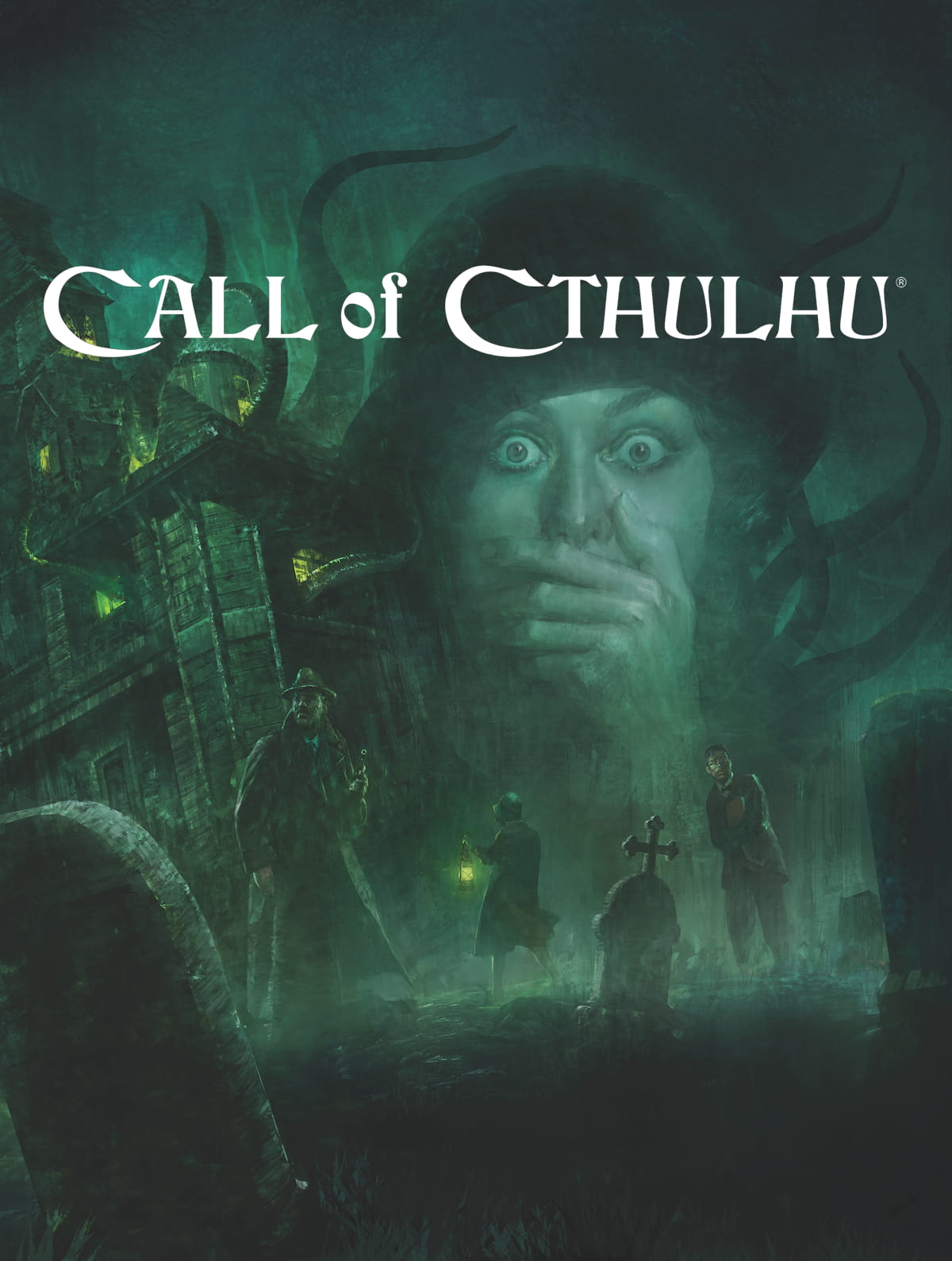
Call of Cthulhu is the classic game of investigative cosmic horror. Play doomed investigators probing occult mysteries and fragile sanity.
View system: Call of CthulhuWarhammer Fantasy Roleplay
Warhammer Fantasy Roleplay plunges you into the Old World, a grim, disease-ridden land of cults, corruption and hard choices. Think The Witcher, but with black humor and worse odds. Gritty investigations, lethal fights and messy magic, guided by our Game Masters.
View system: Warhammer Fantasy RoleplayMonster of the Week
Hunt monsters, solve weird mysteries, and save people before dawn. Monster of the Week is a fast, story-first game of small-town scares and urban legends, perfect for one-shots or campaigns. Think road-tripping leads and desperate showdowns, like Supernatural.
View system: Monster of the WeekMothership
Mothership is sci-fi survival horror where you are spacers scrambling to stay alive as systems fail and something hunts you. Think Alien's tense corridors and hard choices. A professional Game Master guides 2 to 5 players through nail-biting one-shots or mini-campaigns.
View system: Mothership




Occult
Candlelit rituals, cryptic symbols, and whispered conspiracies. Think The X-Files as you chase clues through secret lodges and hidden…
View genre: OccultConspiracy
Peel back layers of lies as you chase threads through shadowed rooms, coded files, and double-crosses. Paranoia builds with every clue…
View genre: Conspiracyby Tessa Cosmic Horror
Reality tilts, secrets whisper, and your choices feel tiny beneath indifferent stars. Cosmic dread and investigative mystery, in the vein…
View genre: Cosmic Horrorby Tessa Supernatural
Unseen forces close in. You hunt answers through haunted houses, cursed towns, and sacred rites where ghosts, omens, and miracles blur fear…
View genre: Supernaturalby Tristan the Lowly Wizard Gritty
Hard choices, scarce resources, and consequences that stick. Think Game of Thrones when trust is fragile, debts come due, and survival has…
View genre: GrittyUrban Fantasy
Neon-lit streets hide ghosts, fae courts, and secret spells. Think The Dresden Files in your city, where missing persons, turf wars, and…
View genre: Urban Fantasyby Tessa Psychological Horror
Tense, intimate horror where your mind is the maze. Think Shutter Island. Doubt your memories, question your allies, and feel dread build…
View genre: Psychological HorrorFound Family
Misfits become home to each other, with midnight jokes, shared scars, and promises that stick. Think Guardians of the Galaxy, but your…
View genre: Found FamilyLighthearted
Play upbeat, low-stakes adventures full of quick laughs, clever fixes, and friendly NPCs. Think The Princess Bride, with banter, charming…
View genre: Lighthearted


