

Nautical
You climb the rigging as the lookout calls land. The captain plots a risky tack around black reefs. Dice hit the table when a squall snaps the foremast or a leviathan circles the hull. Between storms you haggle in noisy docks, smuggle spice past patrols, or chart blank spaces on the map. Nautical play jumps from tight shipboard scenes to wide open seas, from whispers of mutiny to cannon smoke. The map is a promise. The horizon dares you farther.
It shines at the table because the ship gives your group a home, clear jobs, and reasons to work together. Navigation, repairs, and boarding actions turn into teamwork where everyone matters. Beginners and mixed groups do well with that structure. Families enjoy the colorful ports and daring chases. Team events thrive on coordination under pressure. Veterans like layered choices around wind, cargo, and morale, plus tight chases that reward planning and nerve.
Our Game Masters run seafaring in D&D 5E, 7th Sea, Pathfinder 2E, Savage Worlds, Call of Cthulhu, and pirate-focused rules like PIRATE BORG. They can keep it light and swashbuckling, lean gritty and historical Age of Sail, center on trade and diplomacy, or go full sea horror at night. Ship combat and navigation can be crunchy or fast. Ask for tools like hexcrawl maps, ship sheets, and simple crew rules. Browse the game systems to match your taste.
Frequently asked questions
Which game systems fit nautical adventures best?
Common picks are D&D 5E for fantasy crews with ship stat blocks and simple skill challenges, 7th Sea for cinematic swashbuckling, Pathfinder 2E for tactical actions and hazards, and Savage Worlds for fast chases. Want horror at sea? Call of Cthulhu excels. Prefer rough pirate survival? PIRATE BORG fits that tone. A professional Game Master brings ship sheets, wind trackers, and crew rules and will teach what you need. Browse options here: game systems.
Is nautical play good for beginners or kids?
Yes. A ship gives everyone a role like captain, navigator, lookout, or gunner, so turns feel purposeful. A professional Game Master can use prebuilt characters, simple sailing checklists, and gentle setbacks rather than harsh failures. For kids or a PG tone, scenes focus on races, rescues, riddles, and colorful ports, with boarding framed as nonlethal or skipped. Sea creatures can be wondrous, not scary. Mixed-experience groups pick it up fast.
Can you tune the tone, from swashbuckling to horror?
Absolutely. Tell a professional Game Master what you like. Bright pulp means quips, daring leaps, and lucky escapes. Historical play uses real charts, rationing, and hard choices. Gritty survival tracks storms, damage, and morale. Mythic seas add sirens and leviathans, while cosmic dread stays slow and tense. Lines and veils set boundaries. You can also pick a Game Master whose style fits you on GM playstyles.
What should I expect in a nautical one-shot?
Most one-shots run 3 to 4 hours. You start with a quick mission brief in port, choose ship roles, then set sail fast. Expect one big set piece such as a storm to outrun, a chase through reefs, or a compact boarding action. There is usually one discovery or deal at an island, wreck, or harbor. Ship rules are streamlined, often zone based. Pregenerated characters and a simple ship sheet keep play moving, at the table or online.
Booking Form


Sent!

Nat 1, try again!
Please try again or email info@storyforgers.com
Dungeons & Dragons
Forge your own fantasy tale with Dungeons & Dragons. Create a party of bold heroes, outsmart traps, bargain with dragons, and claim treasure in vivid worlds. Think the fellowship spirit of The Lord of the Rings, only you choose the paths, the battles, and the ending.
View system: Dungeons & DragonsCall of Cthulhu
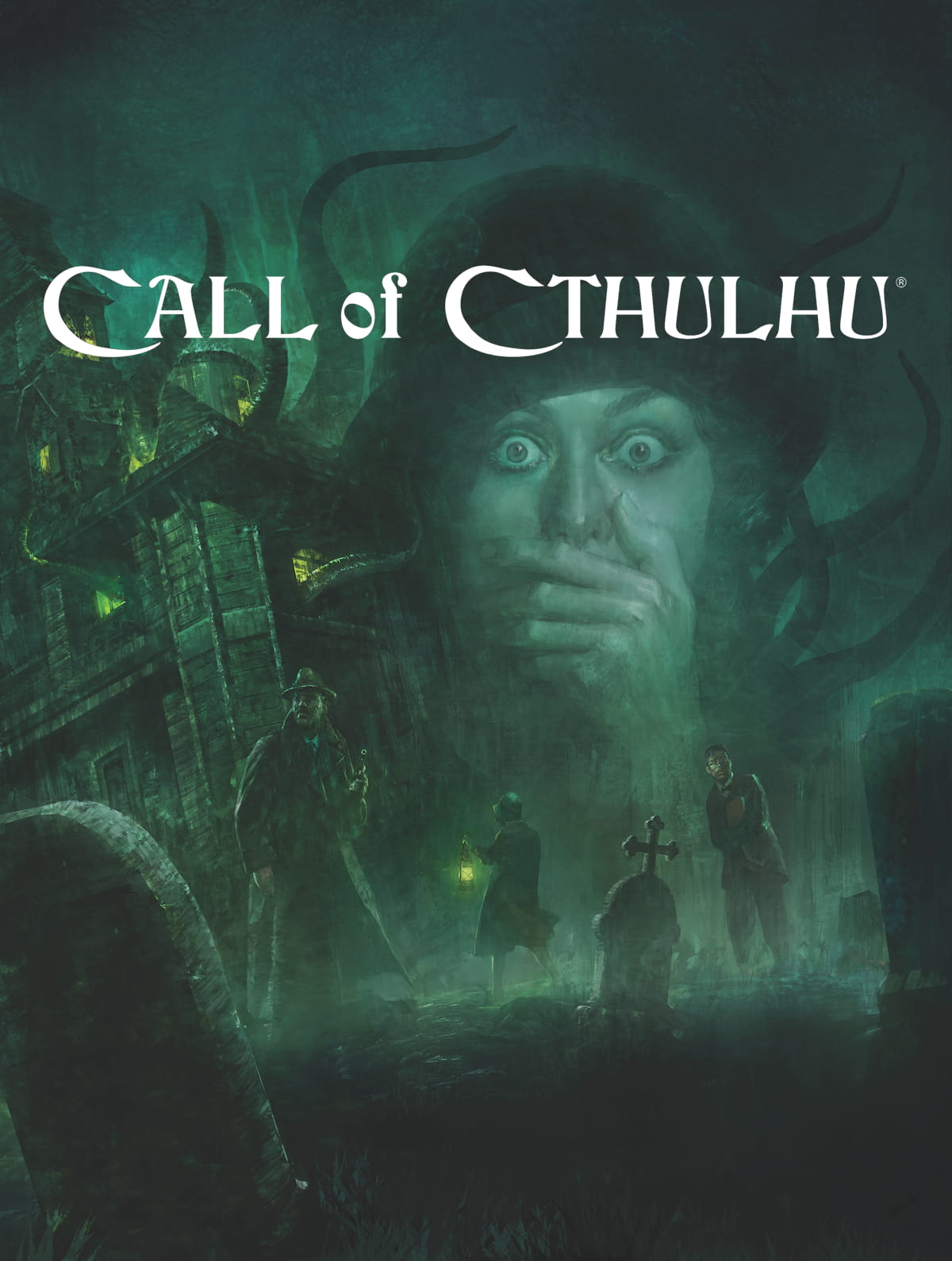
Call of Cthulhu is the classic game of investigative cosmic horror. Play doomed investigators probing occult mysteries and fragile sanity.
View system: Call of CthulhuDaggerheart
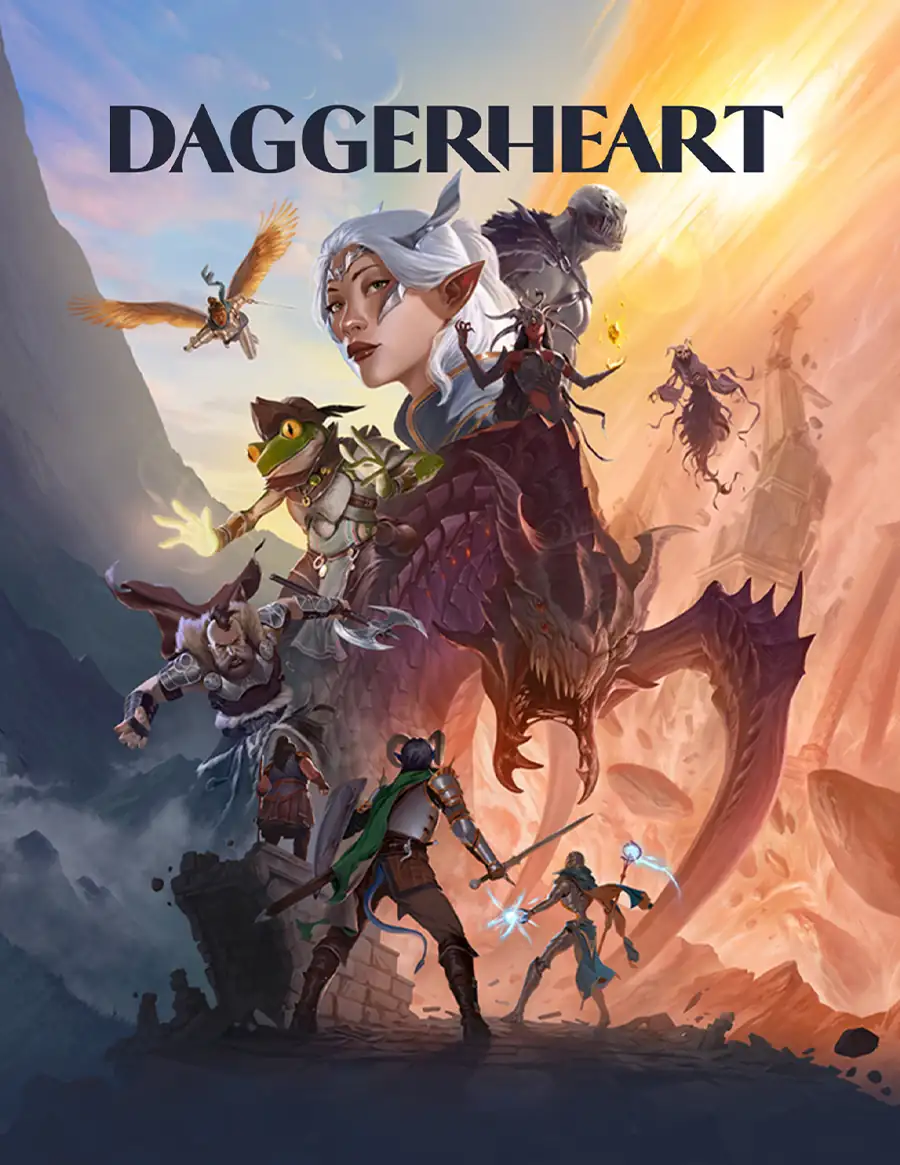
Daggerheart is a high-fantasy RPG where every roll uses Hope and Fear d12s. Big heroics meet meaningful consequences in fast, story-first play.
View system: DaggerheartVampire: The Masquerade
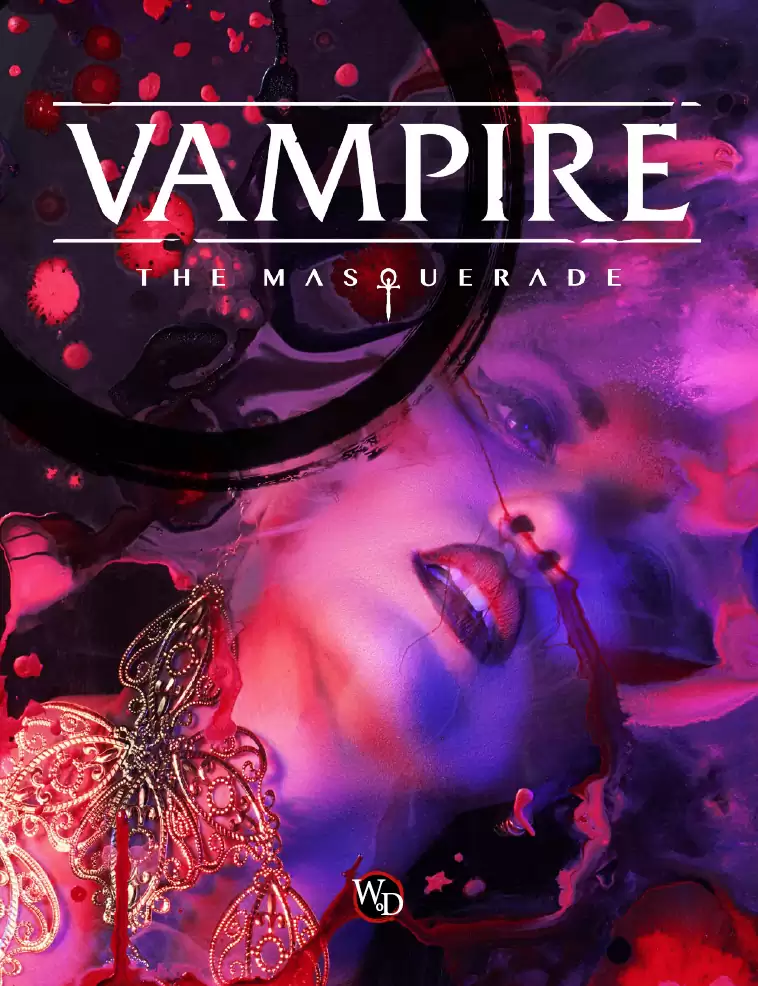
Vampire: The Masquerade is modern-night roleplay about hunger, power and secrecy. Think Interview with the Vampire, but you make the calls. Scheme, seduce and survive as a coterie while a professional Game Master brings a city of dark politics to life.
View system: Vampire: The MasqueradeCyberpunk
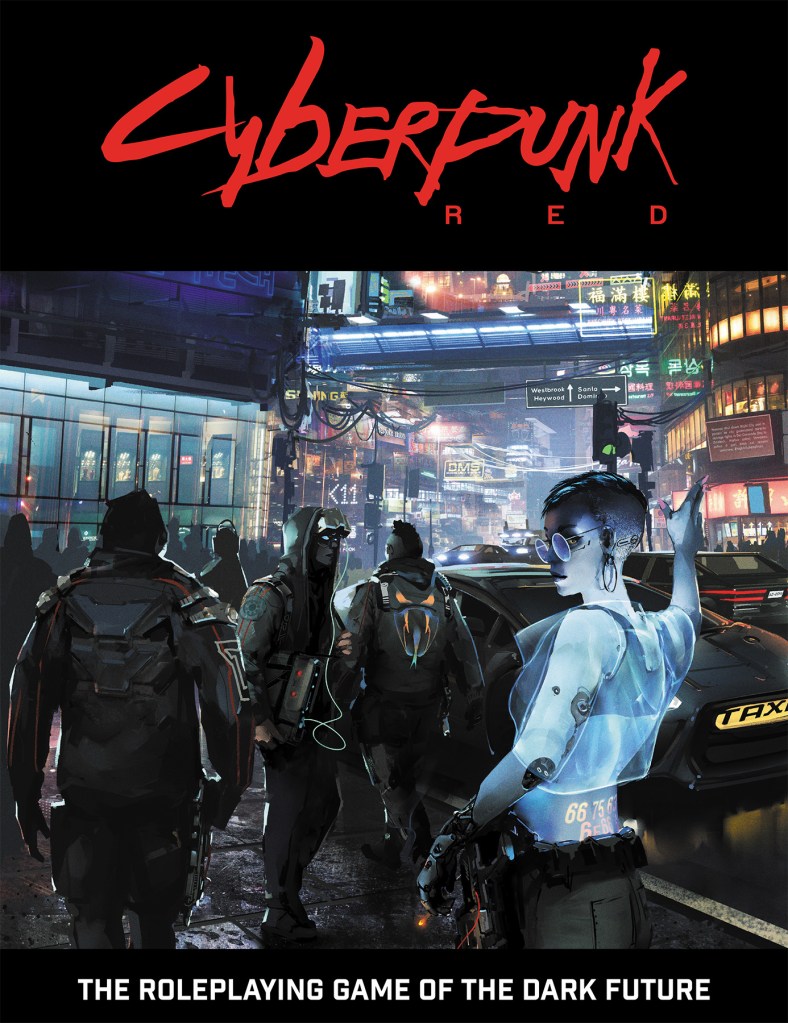
Rule the neon sprawl with Cyberpunk RED, the near-future game of mercs, megacorps and hard choices from R. Talsorian Games. Fast, deadly action, slick tech and tense heists. If you know Cyberpunk 2077, you already feel the grit and style.
View system: CyberpunkLancer
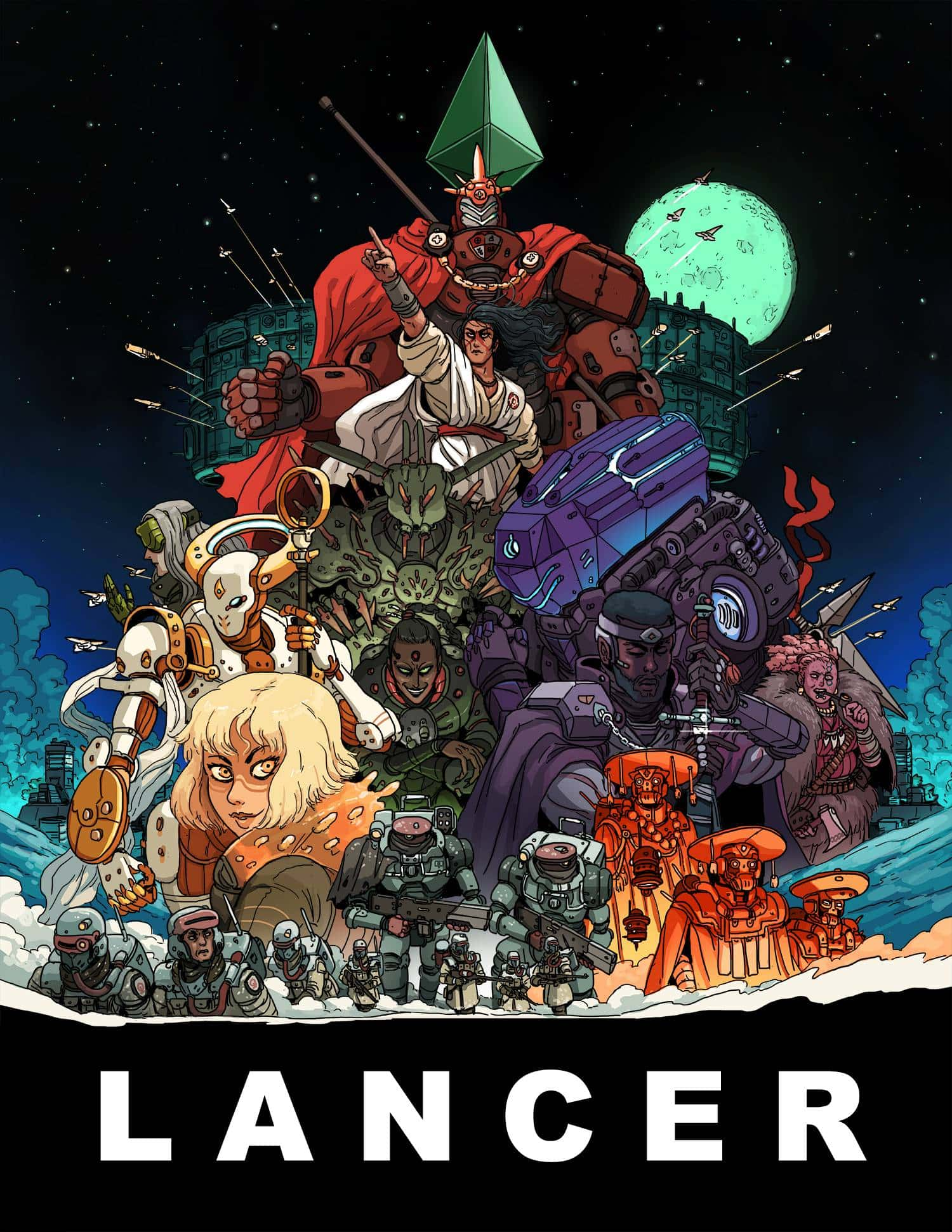
Pilot a custom-built mech in high-stakes missions that blend sharp tactics with character drama. Lancer delivers crunchy battles and sweeping sci-fi about duty, politics, and hope. If you love Gundam, you will feel right at home.
View system: LancerStarfinder
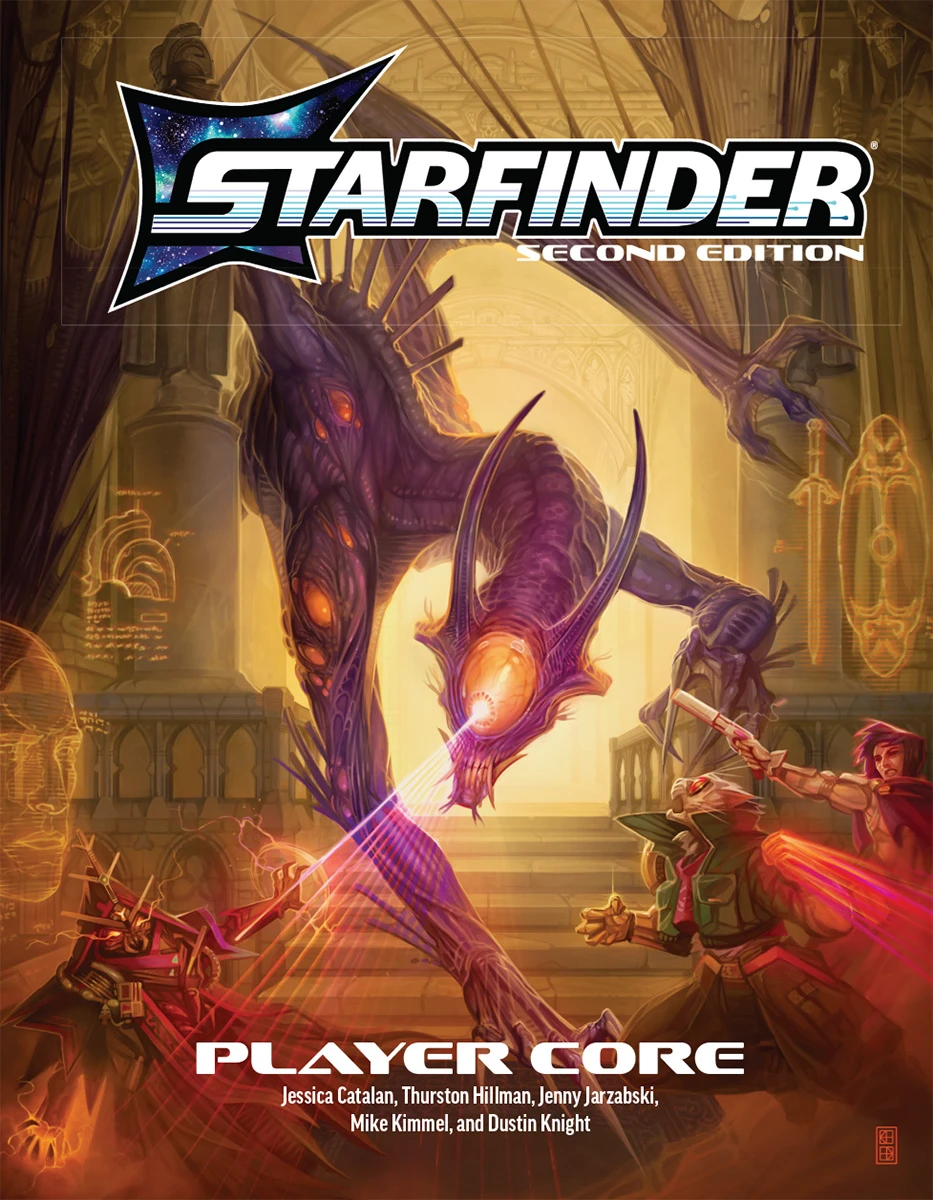
Starfinder is Paizo’s science-fantasy of blaster fights, spell-slinging technomancers, and starship showdowns. Think Mass Effect with magic. Our Game Masters guide you through strange worlds, daring heists, and alien mysteries that reward teamwork and bold choices.
View system: StarfinderWarhammer Fantasy Roleplay
Warhammer Fantasy Roleplay plunges you into the Old World, a grim, disease-ridden land of cults, corruption and hard choices. Think The Witcher, but with black humor and worse odds. Gritty investigations, lethal fights and messy magic, guided by our Game Masters.
View system: Warhammer Fantasy RoleplayALIEN: The Roleplaying Game
Stalk the dark between the stars with ALIEN: The Roleplaying Game, a cinematic survival horror experience. Stress fuels panic and hard choices as you fight to survive. If Ridley Scott's Alien hooked you, this delivers that same cold-sweat dread at the table.
View system: ALIEN: The Roleplaying Game



High Fantasy
Vast kingdoms, ancient magic, and heroes on dangerous quests to save more than a town, maybe the world. Think The Lord of the Rings, where…
View genre: High FantasyDark Fantasy
Gritty magic, frail hope, and choices that stain as monsters wear human faces and the cost of victory cuts deep. Think The Witcher, but the…
View genre: Dark FantasyPirate
Salt spray, creaking decks, and cutlass fights as you chase treasure and rivals across dangerous seas. Swashbuckling adventure like Pirates…
View genre: PirateSteampunk
Victorian grit, brass gadgets, and daring invention. Think Around the World in 80 Days with airships, clockwork automatons, and smokestack…
View genre: SteampunkWhimsical
Playful fantasy where logic takes tea breaks and kindness solves problems. Think Alice in Wonderland, with curious rules, quirky friends…
View genre: WhimsicalMystery
Follow the clues, build timelines, and catch the culprit. Think Knives Out, but you are the detective, piecing together alibis and secrets…
View genre: MysterySurvival
Cold nights, empty packs, and hard choices. Survival tales test grit and teamwork as you ration supplies, outsmart nature, and face human…
View genre: Survivalby Tessa Supernatural
Unseen forces close in. You hunt answers through haunted houses, cursed towns, and sacred rites where ghosts, omens, and miracles blur fear…
View genre: SupernaturalCyberpunk
Neon nights, humming servers, and hard choices. You play hackers, street samurai, and fixers pulling jobs for and against megacorps. Think…
View genre: Cyberpunk


