

Pirate
Picture your crew on the wind-leaning deck as cannons thud and the captain calls for full sail. You trade broadsides, swing on lines, and crash over the rails in a boarding melee. Between battles you chart reefs by starlight, hunt a map to cursed treasure, bribe harbormasters, and argue over the code. Storms, strange islands, and rival captains keep you guessing, while rum, secrets, and hard choices bind or break the crew.
Pirate adventures shine at the table because everyone has a job. The pilot, the gunner, the quartermaster, the surgeon. Teamwork solves crises fast, and the goals are clear, survive and profit. It is easy for beginners and families to jump in, since swashbuckling tropes are familiar and fun. It also works for team events, where trust and planning matter. Veterans enjoy layered ship tactics, daring heists in bustling ports, and moral gray choices.
A professional Game Master can run pirates in D&D 5E, Pathfinder 2e, 7th Sea, Savage Worlds, Fate Core, or Pirate Borg. Combat can be theater of the mind, or with ship maps and wind rules. The tone can swing from cheerful high-seas romp to gritty historical drama to ghostly horror. Tell your GM what you like, and they will tune pace, rules crunch, and danger. See the game systems overview.
Frequently asked questions
How is Pirate different from naval or exploration games?
Pirate play centers on outlaw crews and profit. You chase prizes, raid holds, fence loot, and dodge the navy. The drama is crew codes, votes, and mutiny risk, not orders from admirals. Fights favor boarding, grapples, and close-quarters chaos over long gunnery duels. Ports mean bribery, disguises, and back-alley fixes. Exploration happens, but it serves plunder or survival. Reputation, hidden maps, and rival captains drive the plot. If you want charts, trade, and duty, that is naval or exploration. If you want swagger and risk, that is Pirate.
Which game systems handle pirate action best?
Different systems highlight different flavors. D&D 5E and Pathfinder 2e cover familiar fantasy crews and can add ship stat blocks and simple wind rules. 7th Sea leans into daring stunts and duels. Savage Worlds runs fast chases and swing-from-the-rigging fights. Fate Core gives flexible aspects for ship, crew, and storms. Pirate Borg is gritty, lethal, and weird. Tell your Game Master what you prefer, and they will frame rules to match your taste. For a broader comparison, see the game systems overview: learn more.
Is a pirate game suitable for beginners or kids?
Yes. Jobs on a ship make it easy to contribute from minute one. A professional Game Master can trim nautical jargon, use quick-start roles, and keep scenes clear and punchy. For kids, content can be swashbuckly and cartoon-safe. Rum becomes root beer, no gore, and foes surrender or flee. Teens can handle trickier choices about law vs survival. Let the GM know lines and veils up front. If you care about pacing or challenge style, you can also browse GM playstyles before booking.
What should I expect in a pirate one-shot?
A tight arc fits a 3 to 4 hour slot. Quick introductions, pick roles, and establish a shared goal, like seize a prize ship or beat a storm to a hidden cove. Then a hazard at sea tests teamwork, followed by a chase, parley, or boarding fight. A short port scene may reveal a twist or map fragment. You finish with treasure in hand or a narrow escape. Pre-generated characters speed things up, and ship maps or simple range bands keep action brisk.
Booking Form


Sent!

Nat 1, try again!
Please try again or email info@storyforgers.com
Thirsty Sword Lesbians
Thirsty Sword Lesbians is a romance-forward game of flirtation, swordplay, and big feelings. Think the heart and humor of She-Ra and the Princesses of Power at your table. Ideal for lighthearted adventures, found family bonds, and swashbuckling with heart.
View system: Thirsty Sword LesbiansRobert E. Howard's Conan: Adventures in an Age Undreamed Of
Steel, sorcery, and survival in Robert E. Howard's Hyborian Age. Conan 2d20 delivers fast, brutal pulp adventure with low magic and high stakes. If you know Conan the Barbarian, you know the vibe: raid lost ruins, outwit snakes in silk, and carve your legend.
View system: Robert E. Howard's Conan: Adventures in an Age Undreamed OfPathfinder First Edition
Pathfinder First Edition is crunchy high fantasy built on d20 adventure. Build bold heroes, master tactical combat, and delve into rich worlds that feel like The Lord of the Rings with more character options. Great for groups who enjoy choices, challenges, and monster hunts.
View system: Pathfinder First EditionDungeons & Dragons
Forge your own fantasy tale with Dungeons & Dragons. Create a party of bold heroes, outsmart traps, bargain with dragons, and claim treasure in vivid worlds. Think the fellowship spirit of The Lord of the Rings, only you choose the paths, the battles, and the ending.
View system: Dungeons & DragonsCall of Cthulhu
Call of Cthulhu is the classic game of investigative cosmic horror. Play doomed investigators probing occult mysteries and fragile sanity.
View system: Call of CthulhuDaggerheart
Daggerheart is a high-fantasy RPG where every roll uses Hope and Fear d12s. Big heroics meet meaningful consequences in fast, story-first play.
View system: DaggerheartVampire: The Masquerade
Vampire: The Masquerade is modern-night roleplay about hunger, power and secrecy. Think Interview with the Vampire, but you make the calls. Scheme, seduce and survive as a coterie while a professional Game Master brings a city of dark politics to life.
View system: Vampire: The MasqueradeCyberpunk
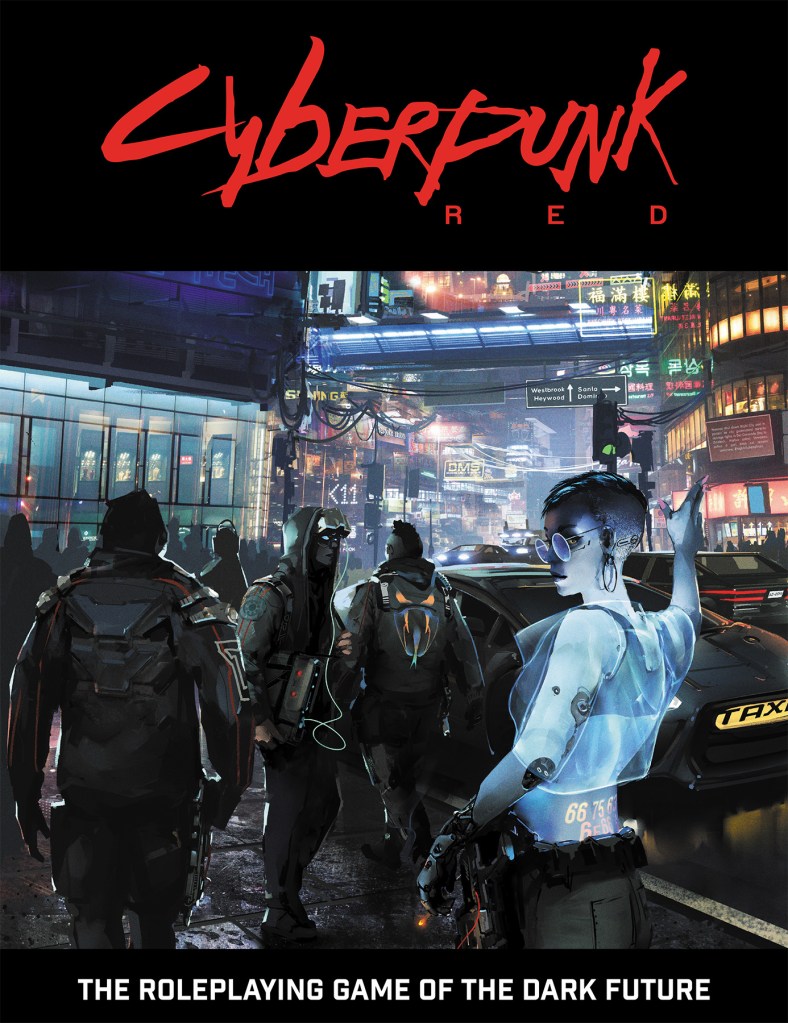
Rule the neon sprawl with Cyberpunk RED, the near-future game of mercs, megacorps and hard choices from R. Talsorian Games. Fast, deadly action, slick tech and tense heists. If you know Cyberpunk 2077, you already feel the grit and style.
View system: CyberpunkLancer
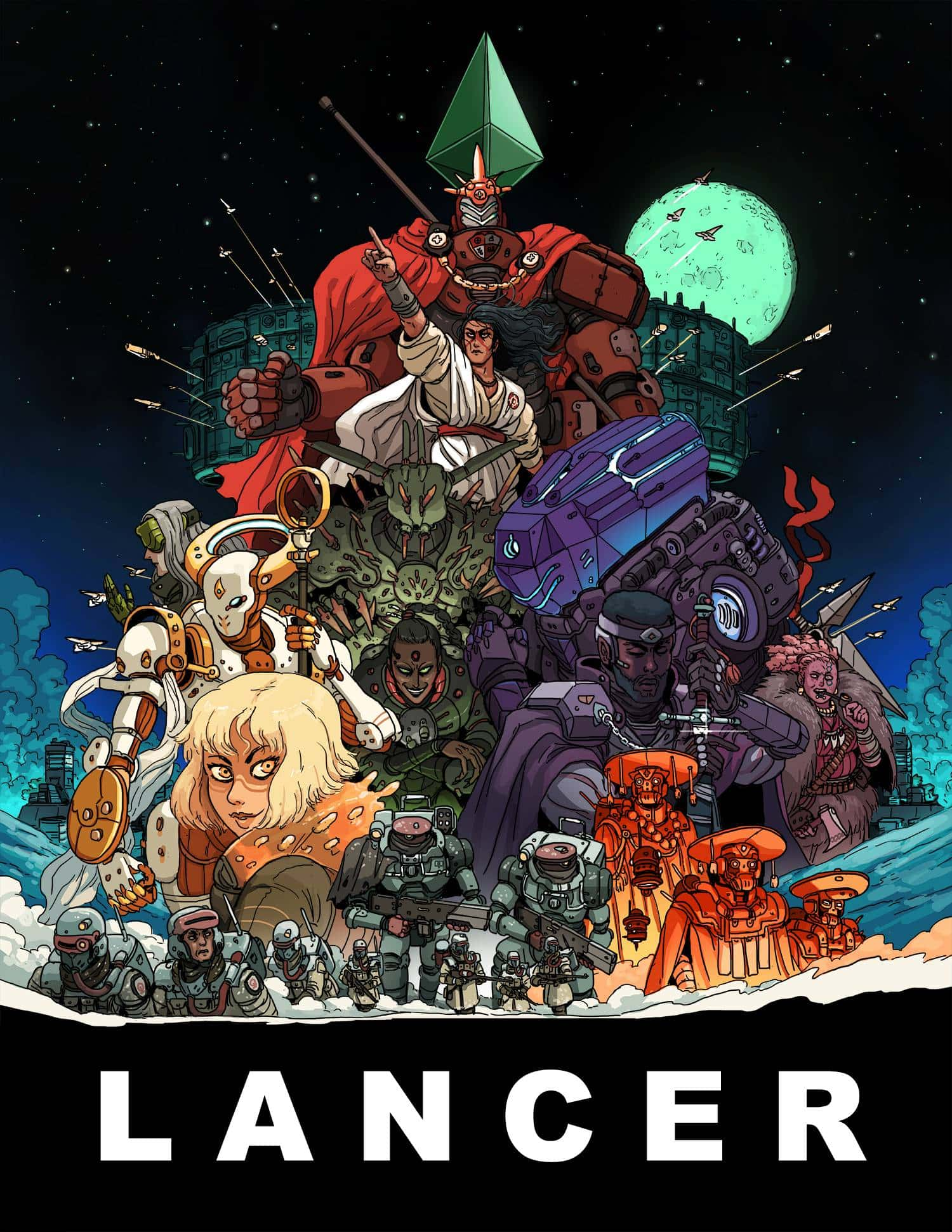
Pilot a custom-built mech in high-stakes missions that blend sharp tactics with character drama. Lancer delivers crunchy battles and sweeping sci-fi about duty, politics, and hope. If you love Gundam, you will feel right at home.
View system: Lancer



High Fantasy
Vast kingdoms, ancient magic, and heroes on dangerous quests to save more than a town, maybe the world. Think The Lord of the Rings, where…
View genre: High Fantasyby Amber Romance
Slow-burn glances, bold confessions, and tangled hearts. Think Pride and Prejudice at the table, where choices about trust, vulnerability…
View genre: RomanceHeroic
Stand tall, choose the right thing, and win the day. Heroic games feel like The Lord of the Rings, with bold vows, last stands, rescued…
View genre: HeroicPulp
Two-fisted thrills, cliffhanger chases, masked villains, and deathtraps. Think Indiana Jones style adventure or hardboiled capers, where…
View genre: PulpDark Fantasy
Gritty magic, frail hope, and choices that stain as monsters wear human faces and the cost of victory cuts deep. Think The Witcher, but the…
View genre: Dark Fantasyby Tristan the Lowly Wizard Gritty
Hard choices, scarce resources, and consequences that stick. Think Game of Thrones when trust is fragile, debts come due, and survival has…
View genre: Grittyby Amber Anime
Big feelings, bold archetypes, and kinetic fights. Build your crew, trade rival banter, and level up in stories that hit like My Hero…
View genre: AnimeExploration
Set out with a map and a question. Exploration stories chase horizons, chart ruins and wilds, and reward curiosity, like Indiana Jones with…
View genre: ExplorationLow Magic
Gritty fantasy where a whispered charm matters more than fireballs. Steel, wits, and costly choices drive the story, like Game of Thrones…
View genre: Low Magic


