

Psychological Horror
You feel something is off. A word out of place. A time that does not add up. The session leans on silence, glances, and small details. Notes appear that you do not remember writing. Testimony conflicts. Rooms look familiar but wrong. A professional Game Master threads clues that tug at your certainty, then lets you sit with the doubt. You decide what is real, and what you are willing to risk to prove it.
Psychological horror shines at the table because imagination fills the dark corners. It asks for listening, curiosity, and teamwork, not combat. It is great for small groups who like investigation and character drama, and for online play where mood can be controlled. Beginners do fine if you enjoy story-driven games. Veterans love the control over pacing and consequence. Older teens and adults work best. Safety tools and clear lines keep it gripping but respectful.
Our Game Masters run it in rules-light stories or in systems like Call of Cthulhu, Dread, Ten Candles, Unknown Armies, or Cthulhu Dark. You choose grounded realism or a brush of the uncanny. Tone can be tuned from subtle unease and ambiguity to an intense spiral, always with consent and check-ins. If you want help picking a fit, browse the game systems we run at this list.
Frequently asked questions
How is psychological horror different from slasher or cosmic?
Psychological horror puts the pressure inside the characters. Fear comes from doubt, shifting memories, and strained relationships, not from a visible killer or a vast, uncaring universe. You will spend more time interpreting clues and testing your own assumptions than running or fighting. Violence is rare and often offscreen. The unknown might be human, imagined, or never confirmed. The Game Master frames scenes that make you question cause and effect, then lets your choices decide what, if anything, is actually true.
Which game systems fit, and how do they shape the session?
Different rules tilt the mood. Dread uses a physical tower to make every choice tense. Ten Candles fades the light and voice recordings to heighten confession. Cthulhu Dark keeps resolution simple so dread stays center stage. Unknown Armies focuses on obsessions and cost. Call of Cthulhu adds investigative skills with sanity pressure. For very minimal rules, a custom or rules-light setup works well. If you want to browse options, see the systems overview at this list.
Can you tune the intensity and sensitive topics?
Yes. Before play, the group sets boundaries and comfort levels, then the Game Master builds the scenario to match. You can keep it low key with ambiguity and subtle tension, or push toward a spiral with tighter timelines and heavier personal stakes. Specific themes like gaslighting, confinement, medical settings, or memory loss can be included, softened, or removed. The GM uses live check-ins and optional private messaging to adjust pacing and reveal style. For GM styles that suit this, see playstyles.
What does a one-shot in this genre look like?
A typical one-shot starts with a short calibration, then quick character ties and private goals. The first act establishes normalcy with small mismatches. In the middle, clues contradict, timelines wobble, and players may pass private notes or take brief solo scenes. Mechanics stay light so talk and choices lead. The climax asks for a decisive action or confession, sometimes with an uncertain outcome rather than a monster fight. Expect a clear end point, a short debrief, and room to discuss what felt real.
Booking Form


Sent!

Nat 1, try again!
Please try again or email info@storyforgers.com
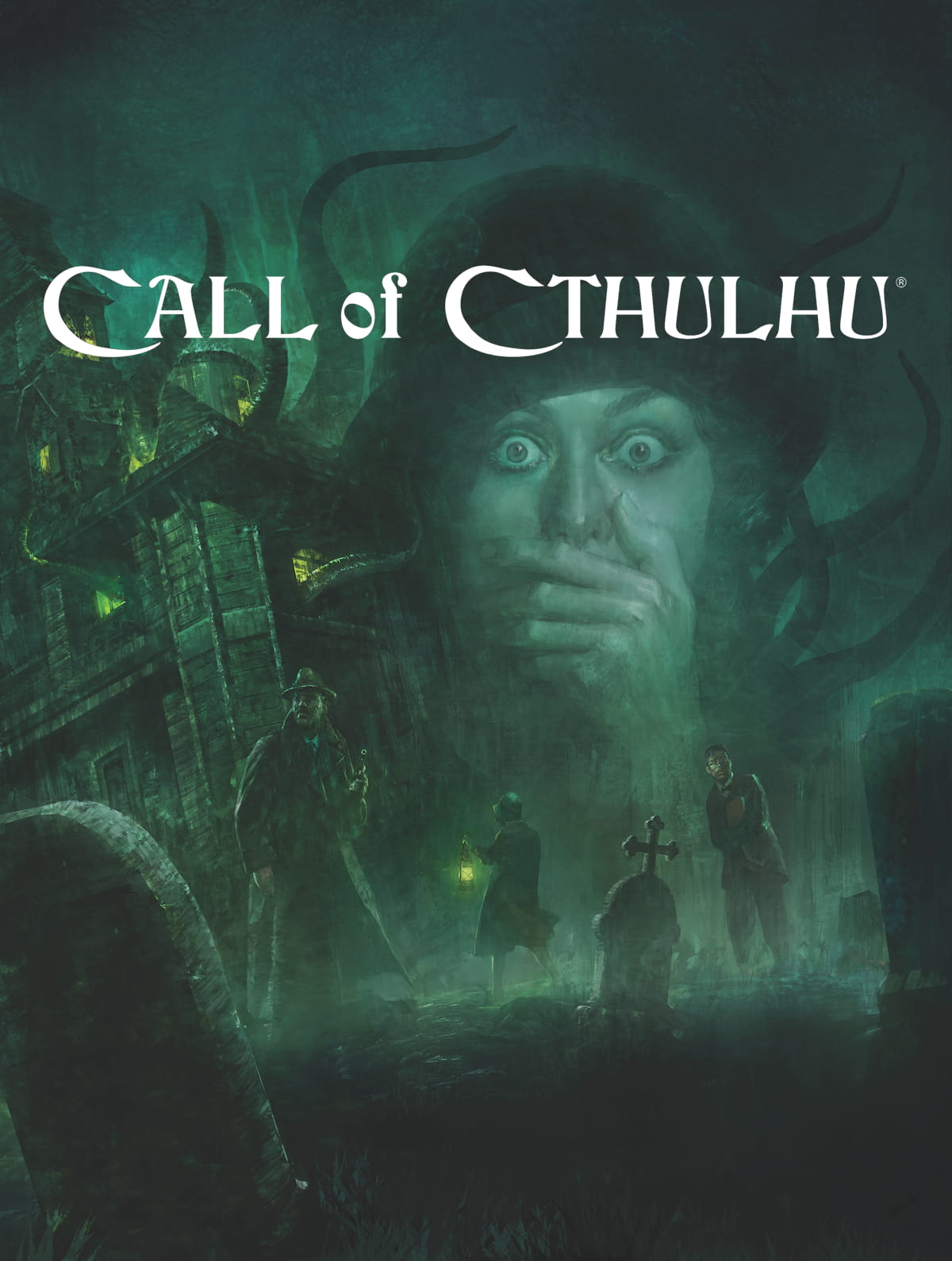
Call of Cthulhu
Call of Cthulhu is the classic game of investigative cosmic horror. Play doomed investigators probing occult mysteries and fragile sanity.
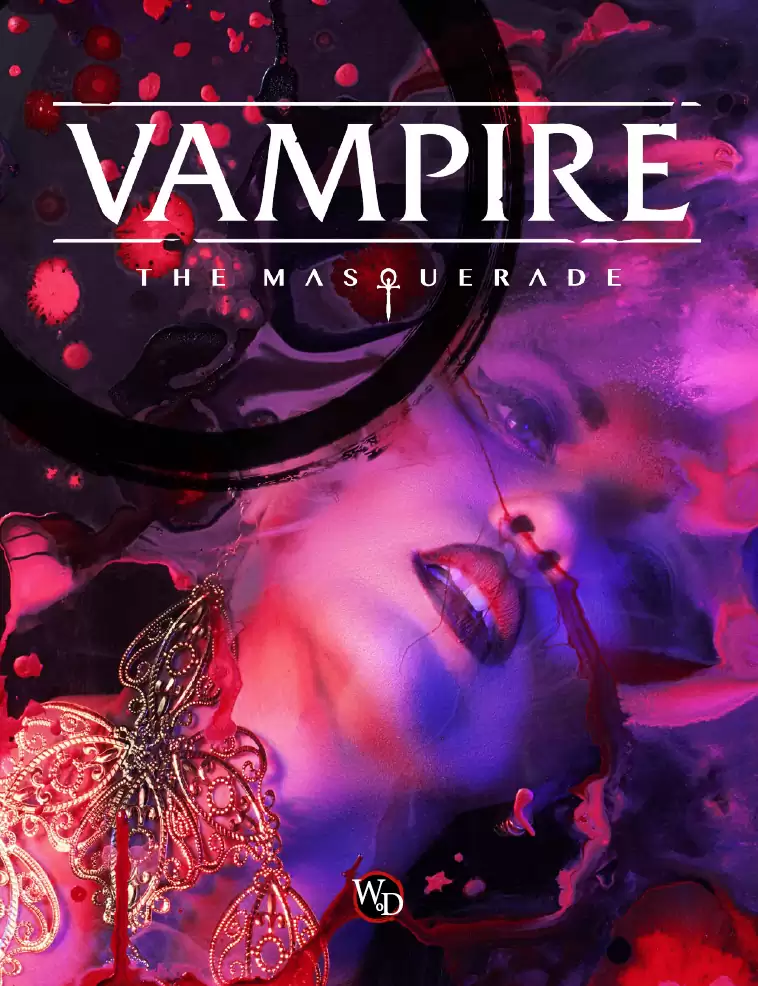
View system: Call of CthulhuVampire: The Masquerade
Vampire: The Masquerade is modern-night roleplay about hunger, power and secrecy. Think Interview with the Vampire, but you make the calls. Scheme, seduce and survive as a coterie while a professional Game Master brings a city of dark politics to life.
View system: Vampire: The MasqueradeALIEN: The Roleplaying Game
Stalk the dark between the stars with ALIEN: The Roleplaying Game, a cinematic survival horror experience. Stress fuels panic and hard choices as you fight to survive. If Ridley Scott's Alien hooked you, this delivers that same cold-sweat dread at the table.
View system: ALIEN: The Roleplaying GameMothership
Mothership is sci-fi survival horror where you are spacers scrambling to stay alive as systems fail and something hunts you. Think Alien's tense corridors and hard choices. A professional Game Master guides 2 to 5 players through nail-biting one-shots or mini-campaigns.
View system: MothershipDelta Green
Delta Green is modern-day cosmic horror and conspiracy. You play agents who face impossible threats, cover them up, and pay the personal cost. Think The X-Files with sharper teeth, where victories are fragile and sanity is on the line.
View system: Delta GreenChronicles of Darkness
Chronicles of Darkness is modern urban fantasy and horror where your choices shape the shadows around you. Think The X-Files with deeper scars. Play ordinary people or awakened monsters as you chase mysteries and face personal costs.
View system: Chronicles of DarknessTriangle Agency
Clock in, hunt the impossible, then argue with compliance. Triangle Agency is a surreal paranormal investigation RPG where corporate policy collides with reality-bending threats. Think Control’s weird bureaucracy meets field ops. Great for groups who enjoy mystery, dark humor, and creeping dread.
View system: Triangle AgencyCandela Obscura
Enter a gaslit city of occult investigations and dangerous bargains. In Candela Obscura you are a sworn circle hunting breaches between our world and the uncanny. Think Penny Dreadful at the table, with tense mysteries, creeping dread, and hard choices.
View system: Candela ObscuraDread
Dread is a one-shot survival horror RPG that trades dice for a tumbling block tower. Each pull raises the stakes and your pulse. Think The Thing at your table, where fear, tough choices, and human flaws decide who makes it out.
View system: Dread


by Tessa Cosmic Horror
Reality tilts, secrets whisper, and your choices feel tiny beneath indifferent stars. Cosmic dread and investigative mystery, in the vein…
View genre: Cosmic Horrorby Tessa Survival Horror
Nerve-tightening horror where every bullet, battery, and breath counts. Think The Last of Us, with tense scavenging, fragile hope, and…
View genre: Survival HorrorOccult
Candlelit rituals, cryptic symbols, and whispered conspiracies. Think The X-Files as you chase clues through secret lodges and hidden…
View genre: OccultConspiracy
Peel back layers of lies as you chase threads through shadowed rooms, coded files, and double-crosses. Paranoia builds with every clue…
View genre: ConspiracyMystery
Follow the clues, build timelines, and catch the culprit. Think Knives Out, but you are the detective, piecing together alibis and secrets…
View genre: Mysteryby Tristan the Lowly Wizard Gritty
Hard choices, scarce resources, and consequences that stick. Think Game of Thrones when trust is fragile, debts come due, and survival has…
View genre: Grittyby Elliot Gothic
Candlelit corridors, storm-lashed manors, secret letters, and forbidden desire. Gothic play blends romance, dread, and family curses, like…
View genre: Gothicby Tessa Supernatural
Unseen forces close in. You hunt answers through haunted houses, cursed towns, and sacred rites where ghosts, omens, and miracles blur fear…
View genre: SupernaturalUrban Fantasy
Neon-lit streets hide ghosts, fae courts, and secret spells. Think The Dresden Files in your city, where missing persons, turf wars, and…
View genre: Urban Fantasy


