

Rebellion
Rebellion sessions put you in the thick of a rising movement. You meet in back rooms, trade passwords, and plan strikes that hit where it hurts. One scene might be smuggling food past checkpoints. The next could be broadcasting a message before the patrol finds you. You choose between sabotage, persuasion, or a risky public stand. Trust is scarce, resources are thin, and victory is never certain. When the city stirs because of your actions, you feel it in play, one decision at a time.
At the table, rebellion shines because teamwork matters. You map a plan, assign roles, and adjust on the fly when things go sideways. Social play and stealth flow into tense action, so different players get spotlights. Beginners like the clear stakes and the sense of progress. Team events enjoy the collaboration and problem solving. Veterans love layered factions, hard bargains, and seeing a setting change for good or ill. If you want choices that count and scenes that spark debate, this genre delivers.
Our Game Masters run rebellion in Blades in the Dark, Fate, Band of Blades, Apocalypse World, and Star Wars games, and can shape it in D&D 5e too. Tone is flexible. Street-level grit, cloak and dagger thriller, or swashbuckling freedom fighters. You set lines and goals together, from grim survival to hopeful change. Browse the game systems to see options, then a professional Game Master will tune prep, safety tools, and pacing to match your group.
Frequently asked questions
How is rebellion different from heists or war campaigns?
Rebellion centers on building pressure against a regime over time. You recruit allies, sway public opinion, and survive crackdowns. Heists chase one big score with a clean exit. Rebellion accepts messy wins and fallout that lingers. War campaigns focus on open battles and logistics with clear fronts. Rebellion is asymmetric. Small cells, sabotage, and information wars matter more than troop counts. Expect choices about visibility, community safety, and who speaks for the cause. Your operations shape the city between missions, not just the loot or body count.
Which game systems suit rebellion best?
Blades in the Dark shines for cells and operations. Faction clocks, heat, and downtime model growth and pressure. Band of Blades fits a desperate resistance with hard mission choices. Fate lets you define causes and communities as Aspects, then push them with compels. Apocalypse World gives tight moves for scarcity, reprisals, and social leverage. Star Wars Age of Rebellion focuses on cell missions with the Duty mechanic. D&D 5e can work when a GM adds contacts, clocks, and focused downtime. Browse options on game systems.
Is rebellion suitable for beginners or kids?
For beginners, rebellion is welcoming. Clear goals, shared planning, and visible progress make it easy to join in. For kids, a professional Game Master can center nonviolent action. Think strikes, art, smuggling medicine, and clever escapes. The GM will avoid harsh details and keep consequences understandable and fair. Lines and veils are set together in session zero. If you want a hopeful tone, victories can focus on community wins. To match table vibe, browse GM playstyles and pick a style that fits your group.
What happens in a one-shot rebellion session?
A one-shot focuses on a single operation that moves the needle. You get a quick briefing, pick a target, then sketch a simple plan. Roles are set so everyone has a job. Expect tense scenes for infiltration, persuasion, or a fast strike, with mechanics to keep planning quick. Many systems use flashbacks or prep clocks to handle surprises. Pre-generated characters and a tight map keep play moving. You end with fallout and a short epilogue that shows what changed because of your action, good or bad.
Booking Form


Sent!

Nat 1, try again!
Please try again or email info@storyforgers.com
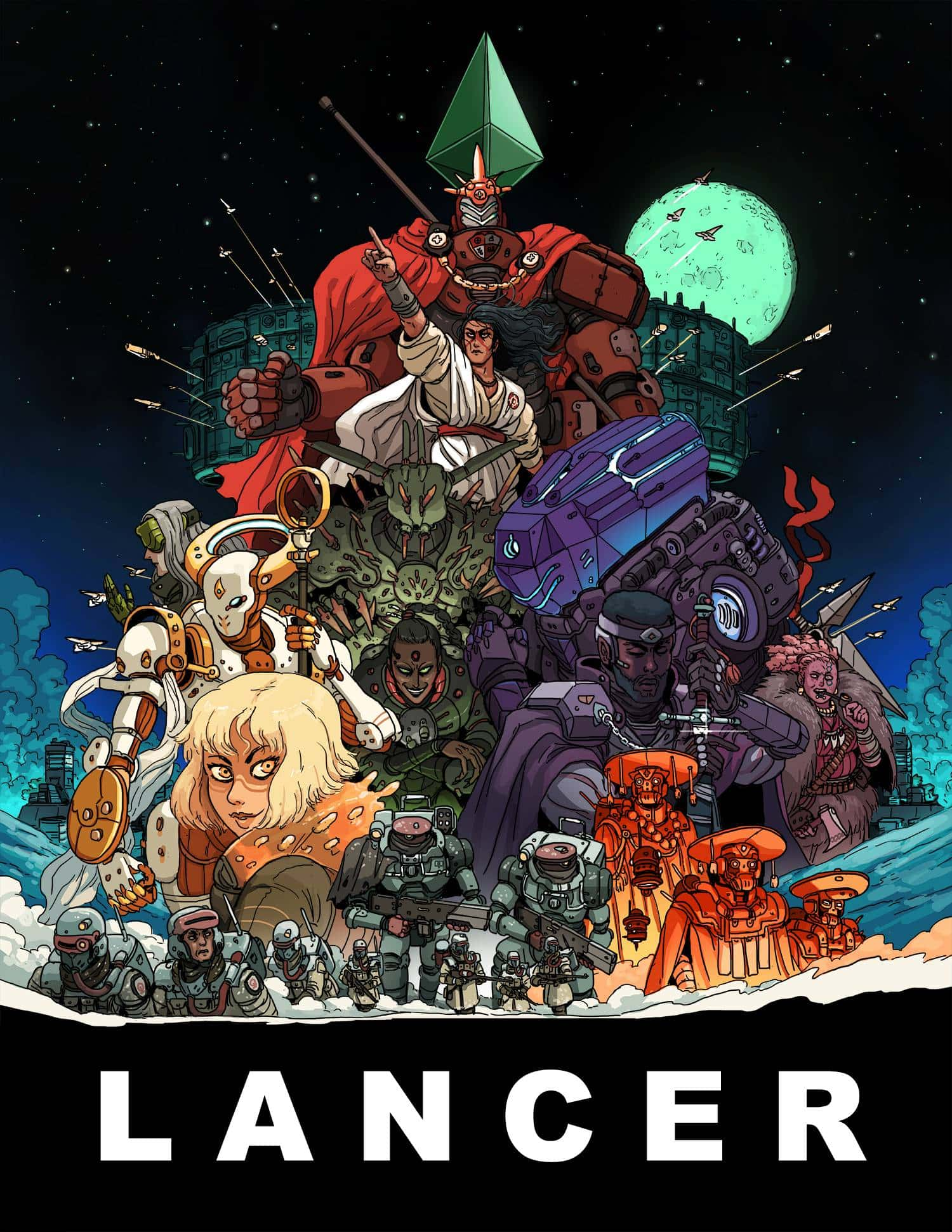
Lancer
Pilot a custom-built mech in high-stakes missions that blend sharp tactics with character drama. Lancer delivers crunchy battles and sweeping sci-fi about duty, politics, and hope. If you love Gundam, you will feel right at home.
View system: LancerExalted
Play mythic heroes and demigods in a fantasy world of ancient empires, hungry spirits, and blazing martial arts. Think Crouching Tiger, Hidden Dragon woven with legend. Make bold choices, topple tyrants, and reshape the map with swordplay, sorcery, and miracles.
View system: ExaltedRoot: The Roleplaying Game
Skulk, scheme, and survive as vagabonds in the Woodland, caught between warring factions. Root: The Roleplaying Game brings the charming edge of the Root board game to tense intrigue, heists, and diplomacy. Great for clever crews and story-first play.
View system: Root: The Roleplaying GameScum and Villainy
Scum and Villainy is a fast, cinematic space-opera heist game where your crew pulls daring jobs, dodges syndicates and the Hegemony, and keeps the ship flying. Think Firefly with sharp tools for teamwork and trouble. Great for one-shots or ongoing crews.
View system: Scum and VillainyStar Wars: The Roleplaying Game
Blast stormtroopers, race TIEs, and swashbuckle across the galaxy in West End Games' classic D6 Star Wars RPG. Fast, pulpy, and cinematic, it feels like the original trilogy. Perfect for daring heists, Rebel missions, and family-friendly adventures with 2 to 6 players.
View system: Star Wars: The Roleplaying GameMistborn Adventure Game
Plan daring capers in the ash-choked world of Brandon Sanderson's Mistborn. You play a crew of thieves or rebels using metal-fueled powers to outwit nobles and terrifying enforcers. A professional Game Master crafts tight heists, tense politics, and hard choices.
View system: Mistborn Adventure GameDungeons & Dragons
Forge your own fantasy tale with Dungeons & Dragons. Create a party of bold heroes, outsmart traps, bargain with dragons, and claim treasure in vivid worlds. Think the fellowship spirit of The Lord of the Rings, only you choose the paths, the battles, and the ending.
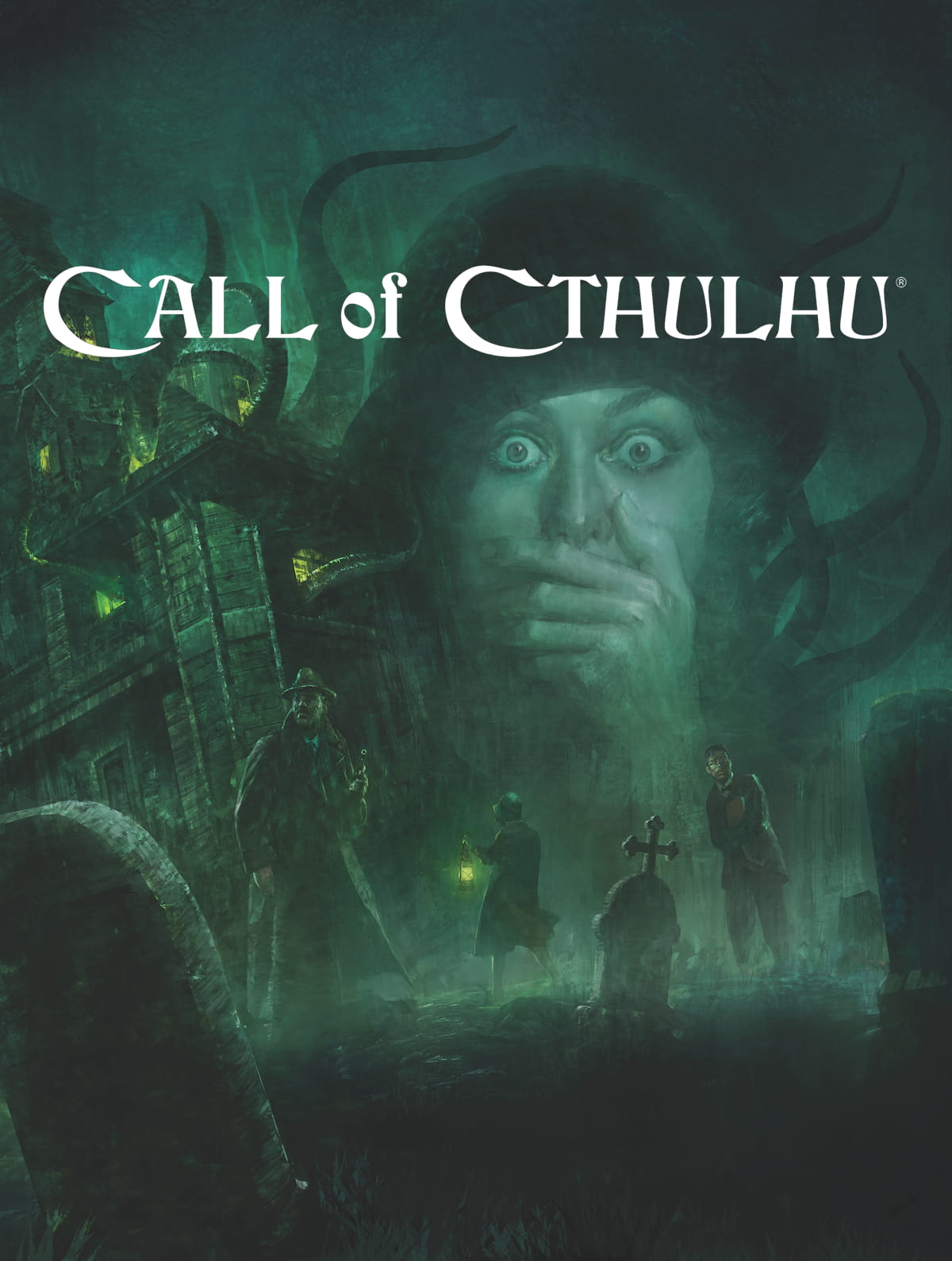
View system: Dungeons & DragonsCall of Cthulhu
Call of Cthulhu is the classic game of investigative cosmic horror. Play doomed investigators probing occult mysteries and fragile sanity.
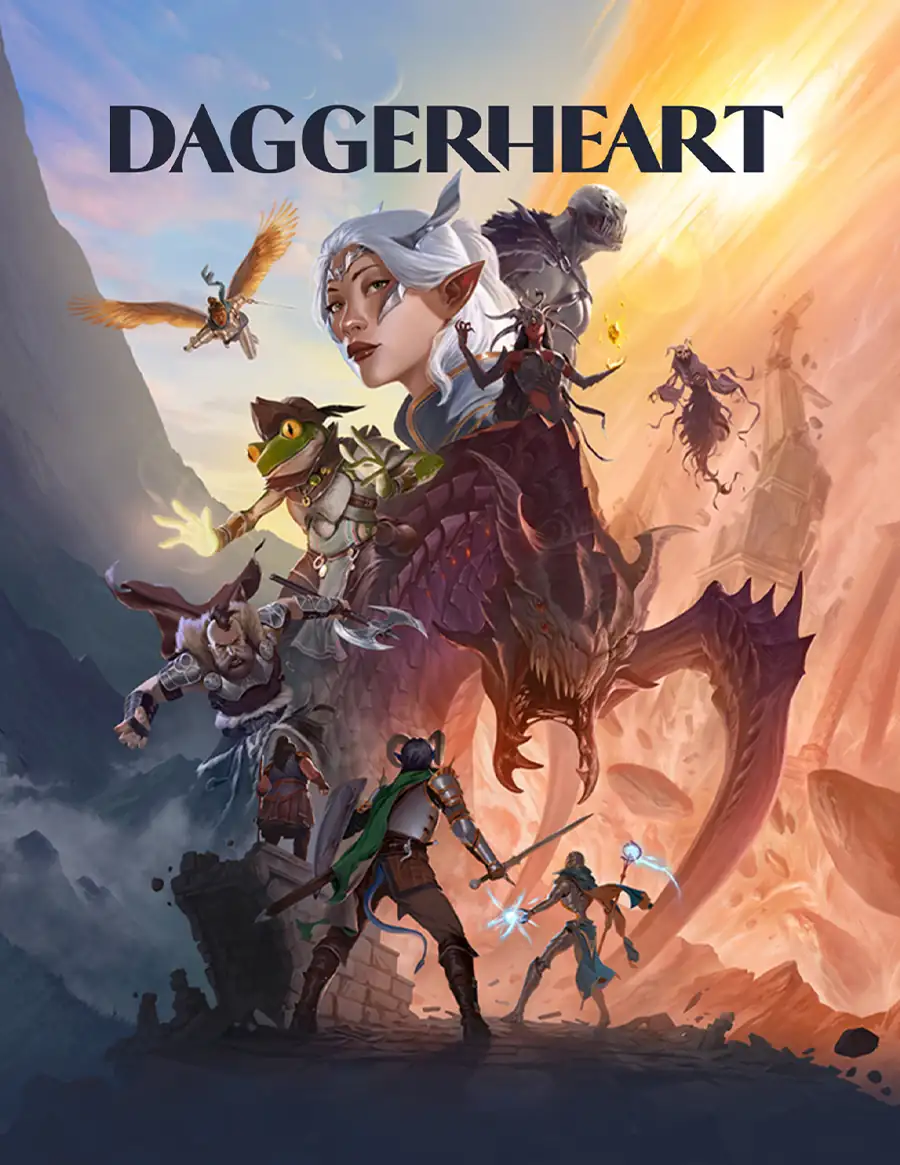
View system: Call of CthulhuDaggerheart
Daggerheart is a high-fantasy RPG where every roll uses Hope and Fear d12s. Big heroics meet meaningful consequences in fast, story-first play.
View system: Daggerheart


Political Intrigue
Whispers in council chambers, favors traded, knives in the dark. Plot like Game of Thrones, where every alliance has a price and your next…
View genre: Political IntrigueSpace Opera
Grand sci-fi melodrama across the stars, with daring pilots, noble rebels, tyrants with planet-killers, and a crew that becomes family…
View genre: Space Operaby Tessa Heist
Assemble the crew, case the target, and pull off the score. Think Ocean's Eleven, with clever plans, expert roles, close calls, and a dash…
View genre: Heistby @a3papier Crime
Pull a slick heist, hunt a killer, or navigate the mob's code. Crime games balance planning, pressure, and moral gray choices, from Ocean's…
View genre: CrimeHeroic
Stand tall, choose the right thing, and win the day. Heroic games feel like The Lord of the Rings, with bold vows, last stands, rescued…
View genre: HeroicDystopian
Fight to breathe in a world that watches your every move, think 1984. Hide, hack, and resist as you navigate harsh laws, scarce hope, and…
View genre: DystopianMecha
Climb into the cockpit and command a towering machine. Mecha play blends brutal battles, clever engineering, and faction rivalry, from…
View genre: MechaMilitary
Tight-knit squads under fire, hard choices, maps on the table, and the grind of supply lines. Think Band of Brothers, but you decide the…
View genre: MilitaryMythological
Walk with gods, bargain with fate, and reshape legends. Think Percy Jackson at your table, with divine politics, heroic trials, and omens…
View genre: Mythological


