

Retro-Futuristic
Picture a sleek spaceport gleaming in chrome, tube computers humming, neon adverts promising a better tomorrow. Your crew rides a monorail above cloud-level gardens, fielding a call from a worried magnate. A prototype robot went missing during a lunar expo. Were rivals involved, or is the machine learning too much? Expect ray gun standoffs, jetpack chases between art deco towers, and starlight parties where every smile hides a patent war. Retro styling sets the scene, while discovery, intrigue, and bold stunts drive the story forward.
At the table it pops. The look is clear, so players latch onto it fast, even if it is their first game. Families enjoy wholesome gadgets and brave heroes. Teams like playful futurism that sparks ideas and safe collaboration. Veterans relish pulpy pacing, serial cliffhangers, and room for satire about yesterday's tomorrow. It excels for one-shots with a mystery or a daring heist, and grows into campaigns about rival corporations, Martian colonies, and the cost of progress.
Our Game Masters run it in flexible, fast systems. Favorites include Savage Worlds for kinetic action, Fate Core or Atomic Robo for pulp science, Lasers & Feelings for breezy crews, and Starfinder or Rocket Age when you want planets to explore. Tone is easy to tune. Bright optimism and screwball comedy, shiny utopia with cracks, or smoky retro noir with hard choices. See options across many game systems, then pick the flavor that matches your group.
Frequently asked questions
How is retro-futuristic different from cyberpunk or space opera?
Retro-futuristic looks like yesterday’s tomorrow, not neon dystopia. Think chrome rockets, art deco stations, smiling robots, and analog dials. Stories lean on pulp intrigue and invention, like expos, patent disputes, bold rescues, and robot ethics. Cyberpunk focuses on surveillance, hacking, and scarcity. Space opera often zooms to galaxy-spanning wars and mystic powers. Retro-futuristic usually stays closer to home, like the solar system, corporate labs, and optimistic civic projects with cracks. Tech is flashy and charming, so scenes favor daring stunts, clever gadgets, and witty diplomacy over grim survival. That contrast shapes tone, and
What game systems fit retro-futuristic play?
For retro-futuristic, Atomic Robo sings if you want mad science stunts and witty teamwork. Fate Core handles pulp tone and bespoke gadgets with ease. Savage Worlds gives kinetic chases, quick combats, and fun ray gun rules. Lasers & Feelings is great for breezy crew capers. Starfinder supports structured starships and planetary hops. Rocket Age delivers classic solar-system pulp. A professional Game Master can suggest options and match crunch to your group. Browse systems and pick what fits your taste here: game system overview.
Is this genre good for first-time players or kids?
Yes. The tropes are clear, so new players latch on quickly. You can play a test pilot, reporter, robot companion, or star diplomat. Gear like ray guns and jetpacks is easy to grasp. Our Game Masters can use rules-light systems, pre-generated characters, and clear goals. For kids or mixed ages, they can keep danger mild, swap lethal options for stun settings, and lean on puzzles, teamwork, and daring rescues. For adults new to RPGs, they can add intrigue and satire without heavy rulebooks. No prior sci-fi knowledge is needed.
What happens in a typical one-shot adventure here?
Expect a focused caper with bright set pieces. Many one-shots start with a briefing at a world’s fair or lunar expo, then follow clues to a rival lab, a monorail chase, and a cocktail negotiation among inventors. You usually get pre-generated characters and signature gadgets, so play begins fast. Scenes mix social sleuthing, daring stunts, and a set-piece test of a prototype. A professional Game Master brings vintage handouts, radio-style announcements, and safety tools. You leave with a solved mystery, a hard choice about progress, and room to continue if your group wants more. For pacing styles, see GM playstyles.
Booking Form


Sent!

Nat 1, try again!
Please try again or email info@storyforgers.com
Tales from the Loop
Be kids in the 80s that never was, where robots idle in fields and a vast particle accelerator hums beneath your town. Tales from the Loop blends warm nostalgia with gentle chills, like Stranger Things but kinder, using light rules that keep friendship, curiosity, and bikes in the spotlight.
View system: Tales from the LoopParanoia
Serve The Computer. Suspect your friends. Laugh when the mission goes wrong. Paranoia is a satirical sci‑fi RPG of clones, treason, and backstabbing loyalty tests. Think 1984 played for laughs. Light rules, rapid turns, and glorious player scheming.
View system: ParanoiaOrbital Blues
Drift the fringe as outlaw spacers juggling jobs, debts, and heartache. Orbital Blues is a rules-light space western of heists, close calls, and found family. Think Cowboy Bebop, then make it yours across dusty ports and neon dives.
View system: Orbital BluesDungeons & Dragons
Forge your own fantasy tale with Dungeons & Dragons. Create a party of bold heroes, outsmart traps, bargain with dragons, and claim treasure in vivid worlds. Think the fellowship spirit of The Lord of the Rings, only you choose the paths, the battles, and the ending.
View system: Dungeons & DragonsCall of Cthulhu
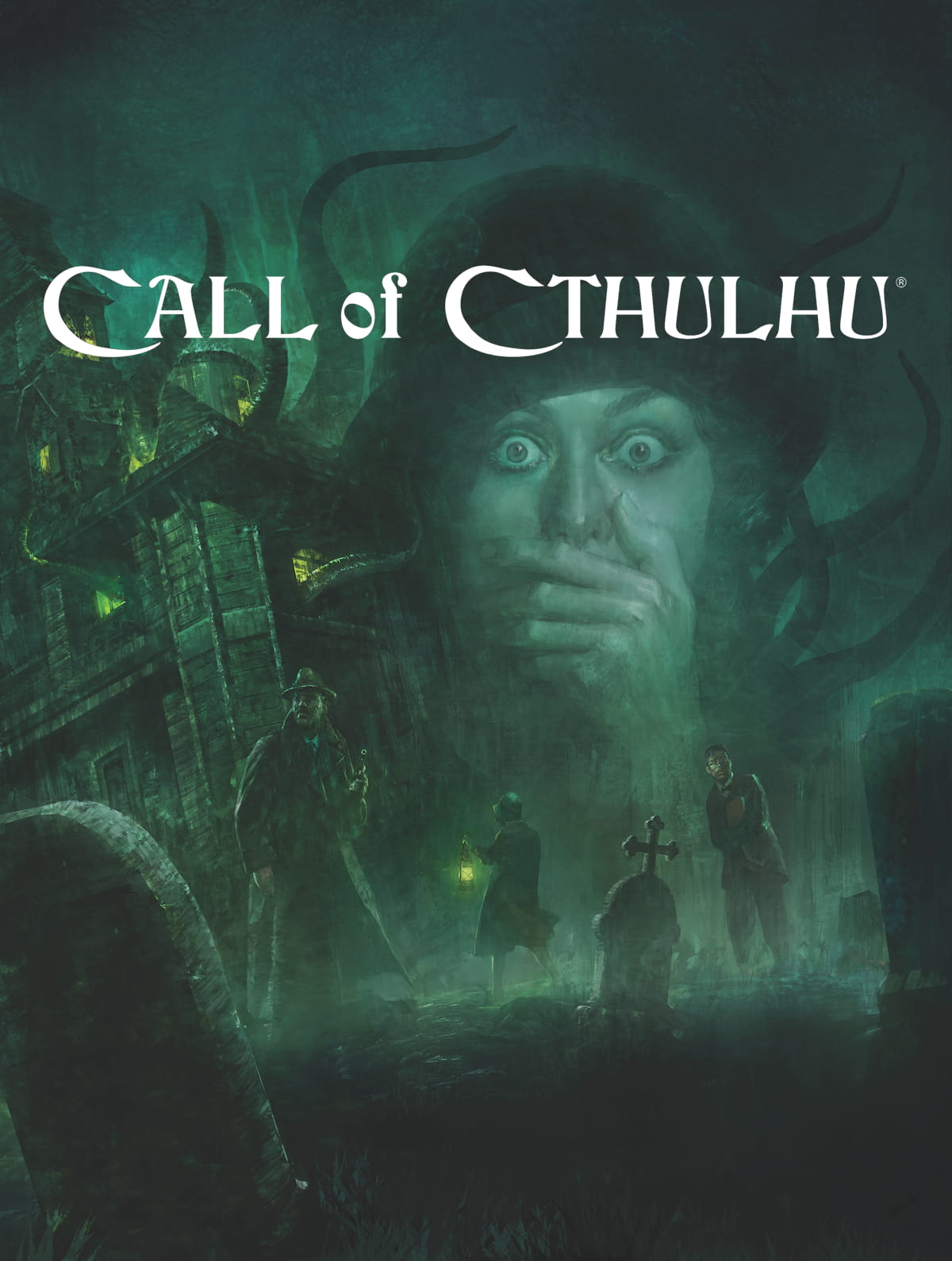
Call of Cthulhu is the classic game of investigative cosmic horror. Play doomed investigators probing occult mysteries and fragile sanity.
View system: Call of CthulhuDaggerheart
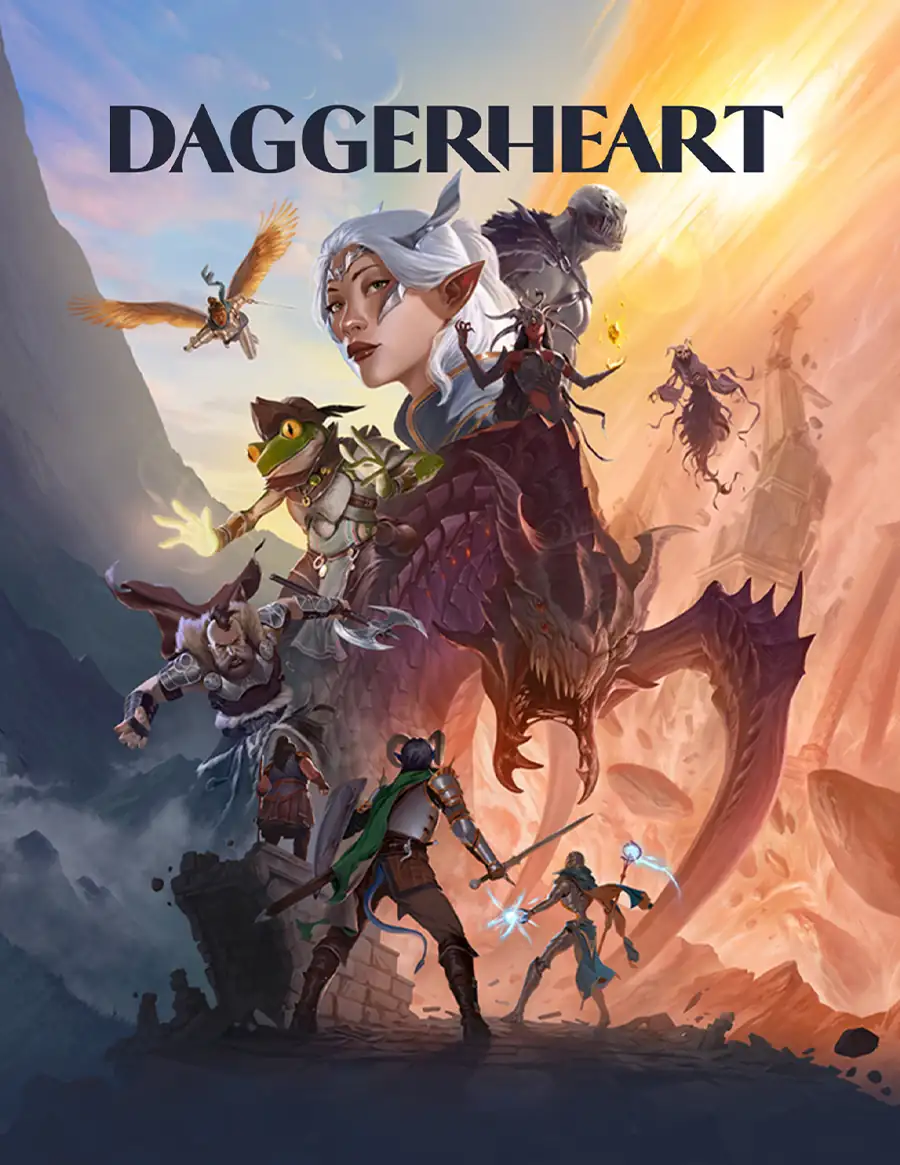
Daggerheart is a high-fantasy RPG where every roll uses Hope and Fear d12s. Big heroics meet meaningful consequences in fast, story-first play.
View system: DaggerheartVampire: The Masquerade
Vampire: The Masquerade is modern-night roleplay about hunger, power and secrecy. Think Interview with the Vampire, but you make the calls. Scheme, seduce and survive as a coterie while a professional Game Master brings a city of dark politics to life.
View system: Vampire: The MasqueradeCyberpunk
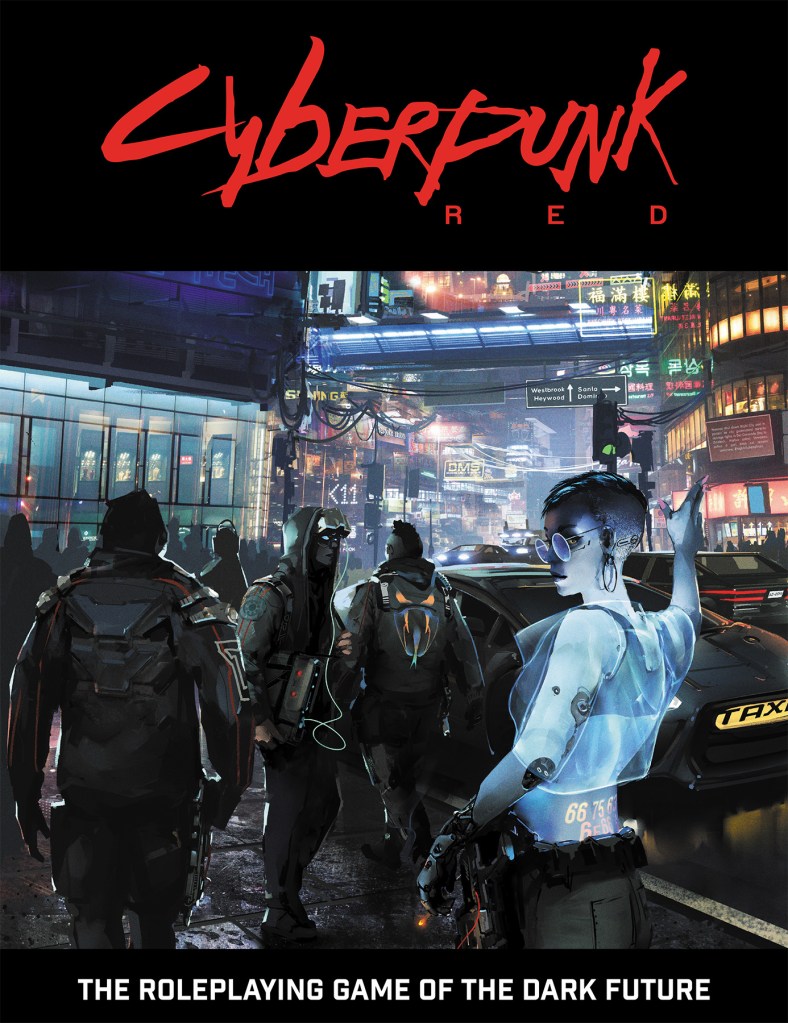
Rule the neon sprawl with Cyberpunk RED, the near-future game of mercs, megacorps and hard choices from R. Talsorian Games. Fast, deadly action, slick tech and tense heists. If you know Cyberpunk 2077, you already feel the grit and style.
View system: CyberpunkLancer
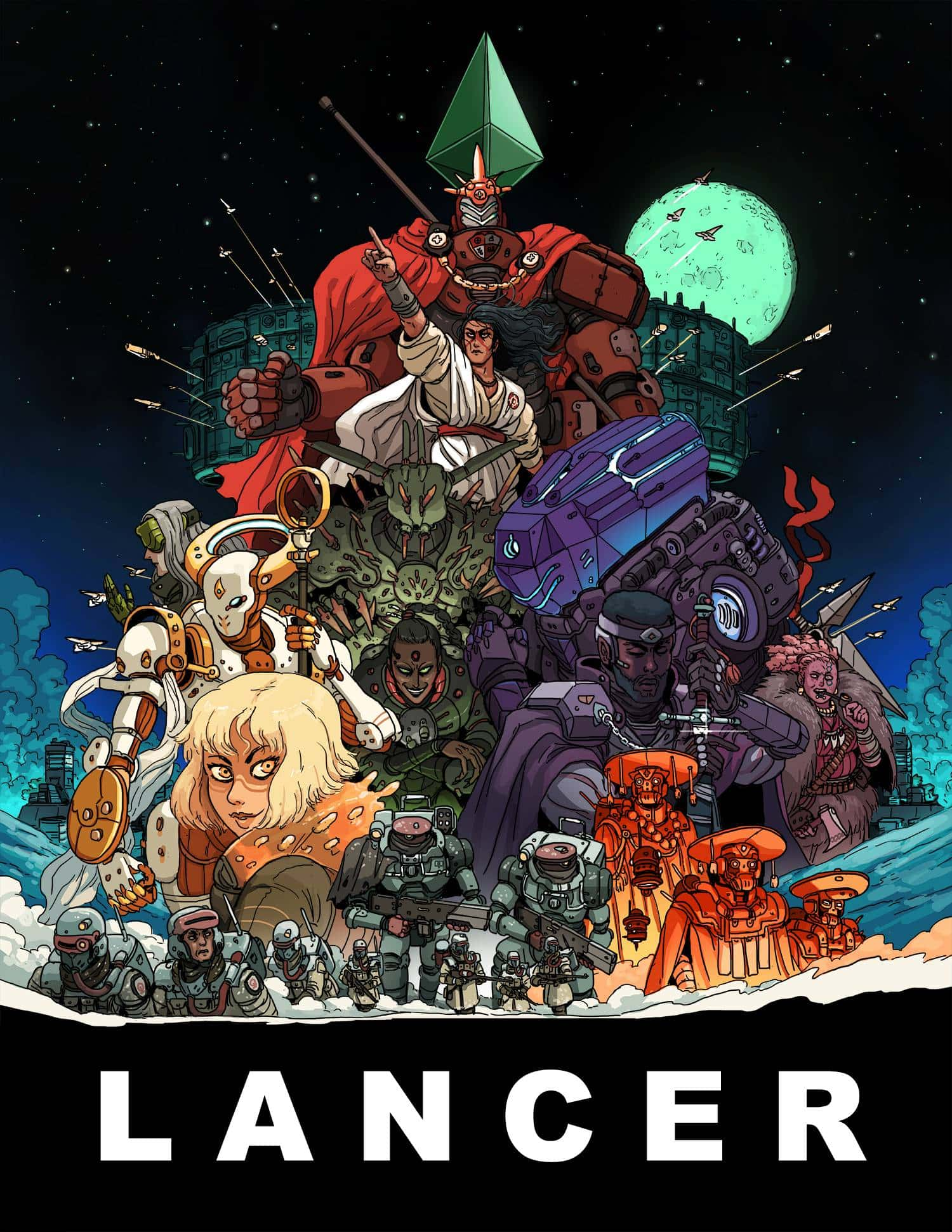
Pilot a custom-built mech in high-stakes missions that blend sharp tactics with character drama. Lancer delivers crunchy battles and sweeping sci-fi about duty, politics, and hope. If you love Gundam, you will feel right at home.
View system: Lancer



Mystery
Follow the clues, build timelines, and catch the culprit. Think Knives Out, but you are the detective, piecing together alibis and secrets…
View genre: MysteryDystopian
Fight to breathe in a world that watches your every move, think 1984. Hide, hack, and resist as you navigate harsh laws, scarce hope, and…
View genre: DystopianConspiracy
Peel back layers of lies as you chase threads through shadowed rooms, coded files, and double-crosses. Paranoia builds with every clue…
View genre: ConspiracyWestern
Dusty trails, tense standoffs, and hard choices on the frontier. Think Red Dead Redemption at the table as you ride with cowboys, outlaws…
View genre: WesternFound Family
Misfits become home to each other, with midnight jokes, shared scars, and promises that stick. Think Guardians of the Galaxy, but your…
View genre: Found Familyby Tristan the Lowly Wizard Gritty
Hard choices, scarce resources, and consequences that stick. Think Game of Thrones when trust is fragile, debts come due, and survival has…
View genre: Grittyby @a3papier Cozy
Warm, low-stakes stories about tea, neighbors, and small joys. Think Stardew Valley with friends, where gentle problems spark kind…
View genre: Cozyby @a3papier Crime
Pull a slick heist, hunt a killer, or navigate the mob's code. Crime games balance planning, pressure, and moral gray choices, from Ocean's…
View genre: Crimeby Tessa Heist
Assemble the crew, case the target, and pull off the score. Think Ocean's Eleven, with clever plans, expert roles, close calls, and a dash…
View genre: Heist


