

Space Exploration
Your crew shares a starship and a mission. Sessions feel like bridge briefings, sensor sweeps, and careful landings on new worlds. You send an away team, collect samples, and test theories. Signals arrive from the dark. A rover gets stuck. A reactor overheats. You choose between protecting life, gathering data, and staying safe. When talk is possible, you open a channel. When it is not, you improvise with EVA suits, drones, and grit. You also survey sites for future colonies and map reliable jump routes.
Space exploration works well at the table because teamwork shines. Each player has a clear role, like captain, science officer, pilot, engineer, or medic. Beginners enjoy clear goals and tools that guide choices. Families like the sense of wonder and the chance to solve problems without constant combat. It is also strong for team events, with shared decisions and debriefs. Veterans appreciate realistic tech, navigation challenges, and the ethics of discovery. Spotlight moves naturally from ship to planet to lab.
Our Game Masters run this genre in systems such as Star Trek Adventures, Traveller, Stars Without Number, and The Expanse RPG. Tone is flexible. You can play hard science with careful fuel math, or bright exploration with cinematic action. Diplomatic first contact or survival on a hostile world. Mission-of-the-week or a sector survey sandbox. Sessions can be optimistic or gritty, your call. Explore ideas with safety tools and clear lines. Want to browse rules options? See the game systems overview.
Frequently asked questions
How is Space Exploration different from space opera?
Space Exploration focuses on discovery and science. You chart systems, run surveys, and open channels before drawing weapons. The ship is a lab and a scout, not a battleship. Scenes lean on sensor work, EVA problem solving, and first contact protocol, with combat used when choices run out. Military campaigns, smugglers, and galaxy spanning wars sit in the background. Ethical calls and data drive the plot. If you want to compare neighboring styles, the genres overview shows where this sits.
Which game systems fit this style, and how do they play?
Different systems shape the feel. Star Trek Adventures supports clear crew roles and mission structure with teamwork mechanics. Stars Without Number gives sandbox tools for sector maps, survey procedures, and faction pressures. Traveller leans into realistic ship operations, hazards, and trade, great for pragmatic expeditions. The Expanse RPG brings near future limits and tough calls under pressure. A professional Game Master can dial complexity up or down, and provide pre-generated crews. Want to compare more rules options? See the game systems overview.
Is Space Exploration good for beginners or kids?
Yes. Roles like captain, pilot, engineer, and science officer give each player a clear job, which helps new players know what to do. Goals are concrete, like identify the signal or secure a landing site. Our Game Masters can use pre-generated characters, simplify ship actions, and keep danger calibrated. For families, content can emphasize curiosity over violence. Expect puzzles, sample collection, and teamwork over long combat. Safety tools set boundaries so everyone feels comfortable.
What happens in a typical one-shot mission?
A one-shot starts with a brief on a new system, anomaly, or colony prospect. You tour the ship's stations and tools, then hit the problem. Expect a sensor sweep, an away team scene, and one major complication. The group decides between diplomacy, repair, or retreat. There is time for a single discovery or first contact, and a debrief that wraps the story. A professional Game Master provides quick-start rules, clear handouts, and ready roles so you can focus on choices.
Booking Form


Sent!

Nat 1, try again!
Please try again or email info@storyforgers.com
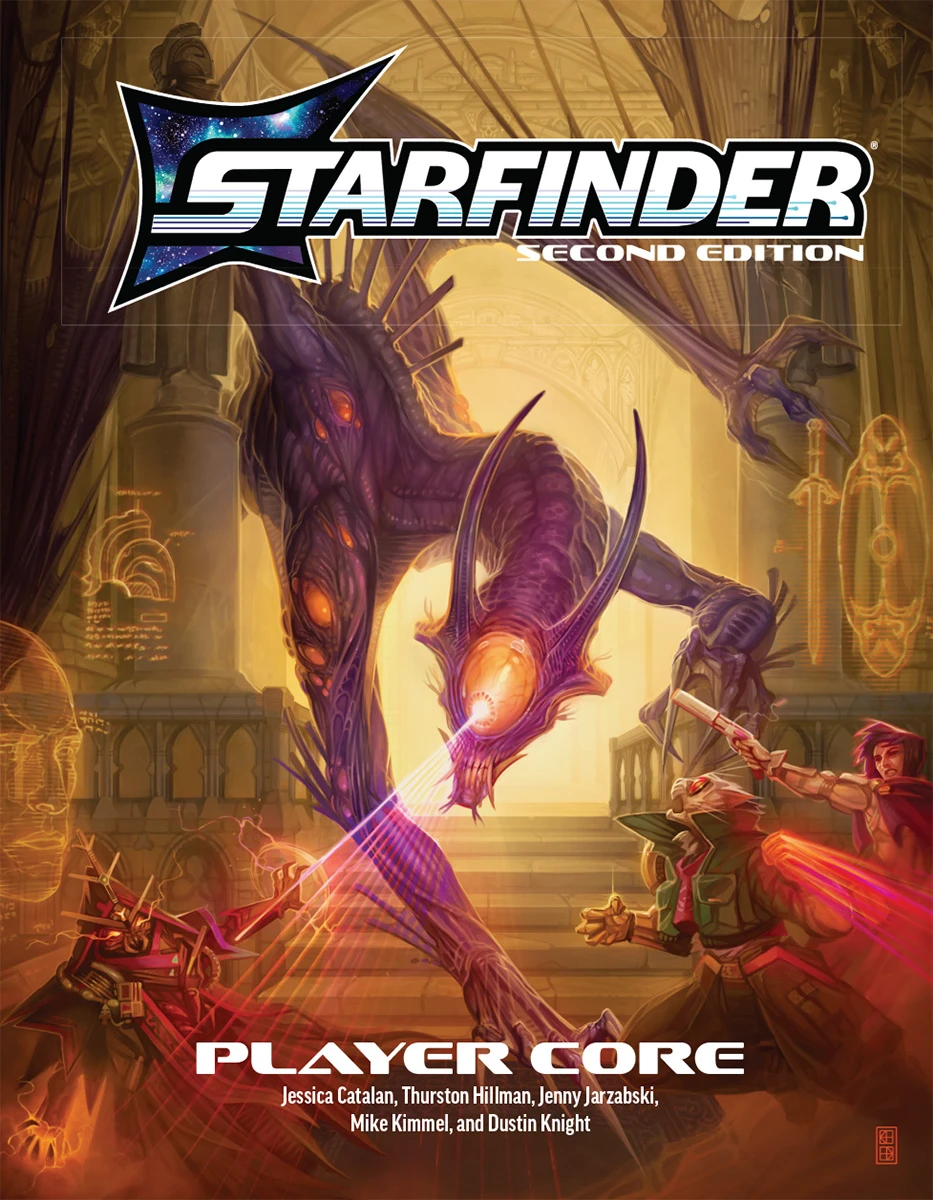
Starfinder
Starfinder is Paizo’s science-fantasy of blaster fights, spell-slinging technomancers, and starship showdowns. Think Mass Effect with magic. Our Game Masters guide you through strange worlds, daring heists, and alien mysteries that reward teamwork and bold choices.
View system: StarfinderMothership
Mothership is sci-fi survival horror where you are spacers scrambling to stay alive as systems fail and something hunts you. Think Alien's tense corridors and hard choices. A professional Game Master guides 2 to 5 players through nail-biting one-shots or mini-campaigns.
View system: MothershipScum and Villainy
Scum and Villainy is a fast, cinematic space-opera heist game where your crew pulls daring jobs, dodges syndicates and the Hegemony, and keeps the ship flying. Think Firefly with sharp tools for teamwork and trouble. Great for one-shots or ongoing crews.
View system: Scum and VillainyDoctor Who: The Roleplaying Game
Grab a sonic, hop in a TARDIS, and save people with brains over blasters. Doctor Who: The Roleplaying Game captures the TV show's witty, time-twisting adventures, from alien mysteries to heart-first heroics. Ideal for groups who want clever plans, fast talk, and wonder.
View system: Doctor Who: The Roleplaying GameLasers & Feelings
Zip through pulpy space opera in a rules-light game inspired by Star Trek. You choose one number that sets your style, then roll a single die to solve bold problems, sweet talk aliens, or reroute warp power. Perfect for quick one-shots and playful crews.
View system: Lasers & FeelingsDungeons & Dragons
Forge your own fantasy tale with Dungeons & Dragons. Create a party of bold heroes, outsmart traps, bargain with dragons, and claim treasure in vivid worlds. Think the fellowship spirit of The Lord of the Rings, only you choose the paths, the battles, and the ending.
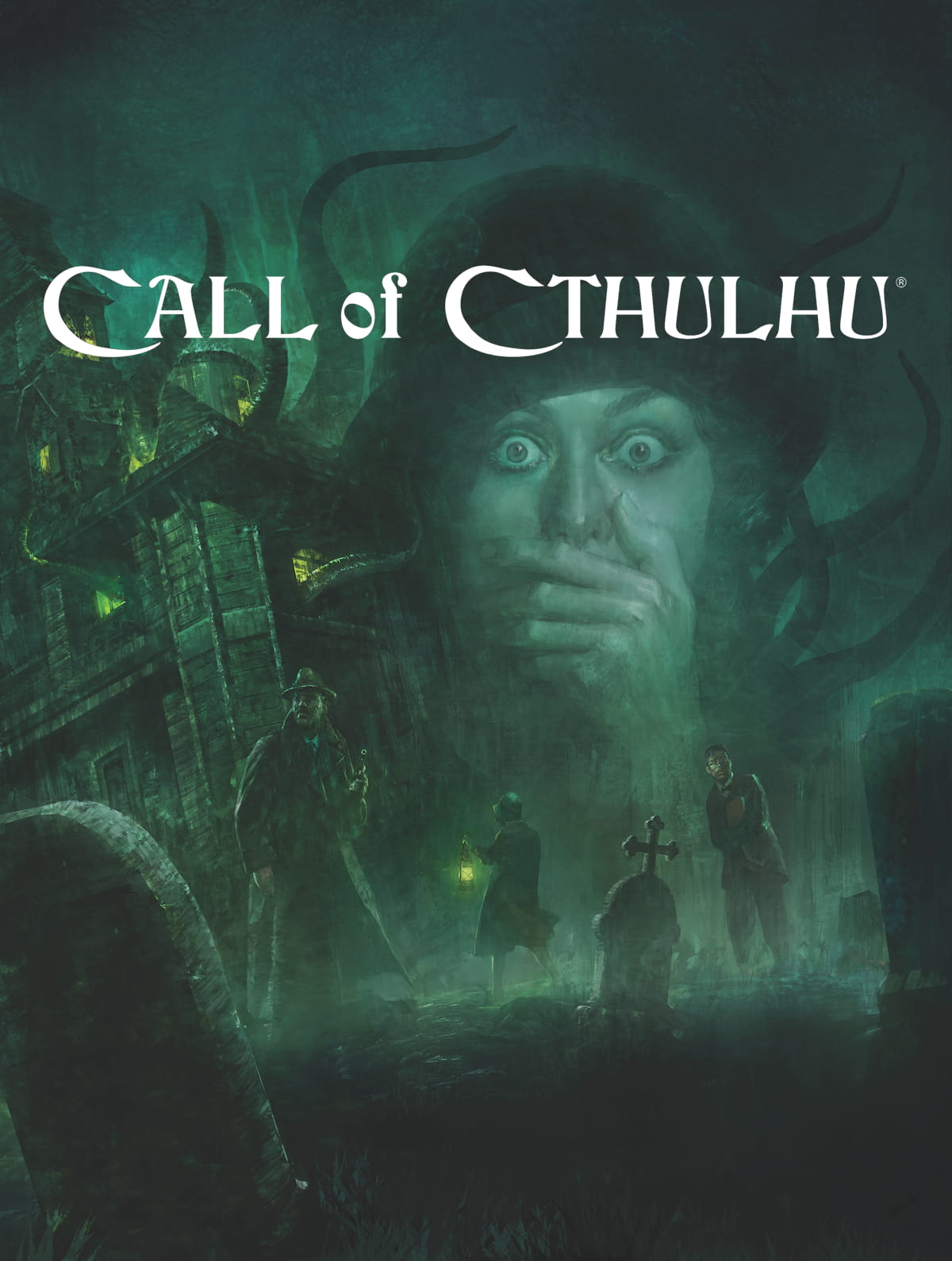
View system: Dungeons & DragonsCall of Cthulhu
Call of Cthulhu is the classic game of investigative cosmic horror. Play doomed investigators probing occult mysteries and fragile sanity.
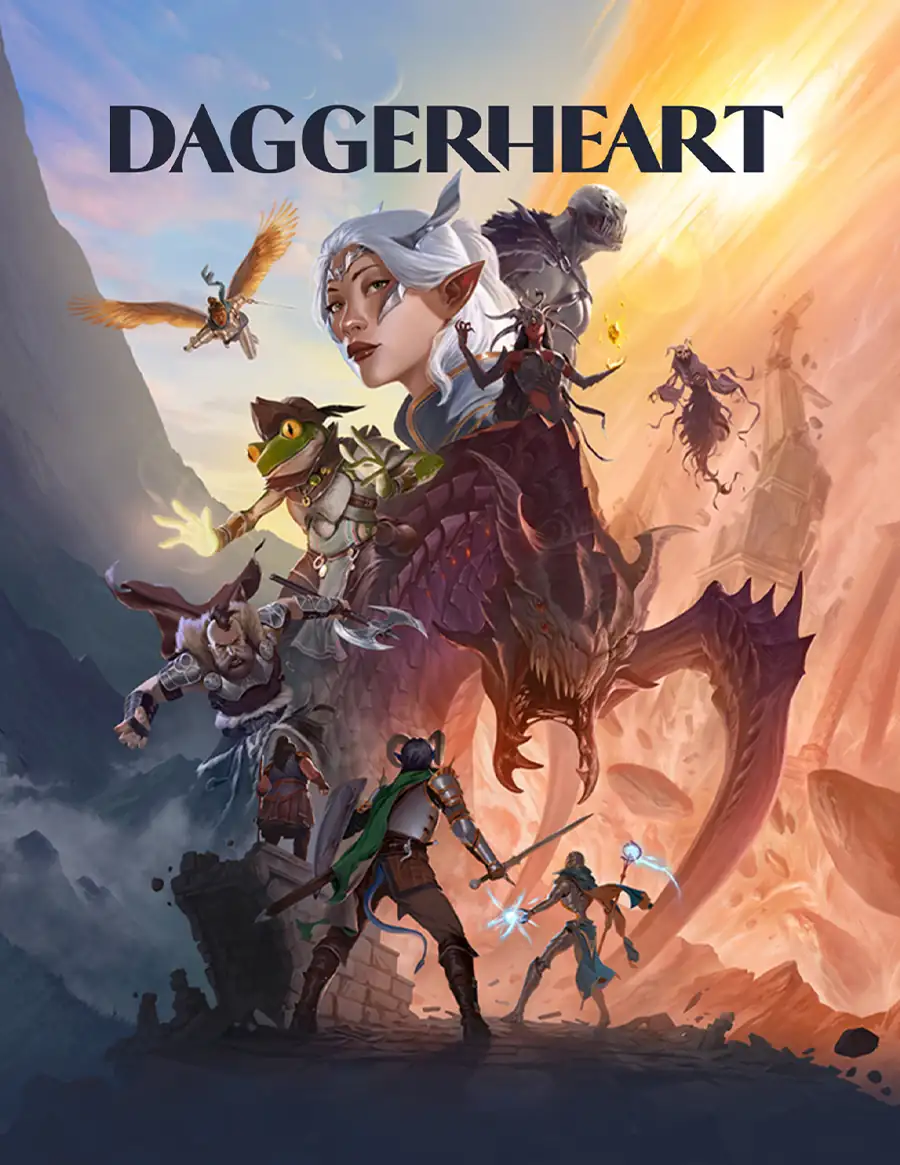
View system: Call of CthulhuDaggerheart
Daggerheart is a high-fantasy RPG where every roll uses Hope and Fear d12s. Big heroics meet meaningful consequences in fast, story-first play.
View system: DaggerheartVampire: The Masquerade
Vampire: The Masquerade is modern-night roleplay about hunger, power and secrecy. Think Interview with the Vampire, but you make the calls. Scheme, seduce and survive as a coterie while a professional Game Master brings a city of dark politics to life.
View system: Vampire: The Masquerade



Space Opera
Grand sci-fi melodrama across the stars, with daring pilots, noble rebels, tyrants with planet-killers, and a crew that becomes family…
View genre: Space OperaAlien
From cautious first contact to invasive horrors, you face the unknown mind beyond Earth. Think Arrival for the wonder of communication and…
View genre: AlienFound Family
Misfits become home to each other, with midnight jokes, shared scars, and promises that stick. Think Guardians of the Galaxy, but your…
View genre: Found FamilyMystery
Follow the clues, build timelines, and catch the culprit. Think Knives Out, but you are the detective, piecing together alibis and secrets…
View genre: Mysteryby Tessa Survival Horror
Nerve-tightening horror where every bullet, battery, and breath counts. Think The Last of Us, with tense scavenging, fragile hope, and…
View genre: Survival HorrorHeroic
Stand tall, choose the right thing, and win the day. Heroic games feel like The Lord of the Rings, with bold vows, last stands, rescued…
View genre: HeroicPulp
Two-fisted thrills, cliffhanger chases, masked villains, and deathtraps. Think Indiana Jones style adventure or hardboiled capers, where…
View genre: PulpLighthearted
Play upbeat, low-stakes adventures full of quick laughs, clever fixes, and friendly NPCs. Think The Princess Bride, with banter, charming…
View genre: LightheartedFuturistic
Near to far future adventures where tech drives every choice, from neon megacities to deep-space outposts. Think The Expanse as you hack…
View genre: Futuristic

