

Surreal
Tonight, the map is a mood ring. A staircase argues with you. Your name keeps changing, but your friends still know who you are. Scenes jump by association. You step through a painting to meet the person who buys your dreams. The group follows clues that look like colors, tastes, or repeated images. You chase a lost memory, unmask a city that sleepwalks, or fix a rule of the world that went wrong. It feels playful, uncanny, and oddly honest.
Surreal play shines because there is no single correct move. You explore, notice patterns, and make meaning together. It suits beginners who want fewer numbers and more ideas. Families with creative teens enjoy the wonder. Improv fans and theater folk love bold choices. Veterans use it as a palate cleanser between crunchy campaigns. For team events, it is great for loosening habits, sparking lateral thinking, and building trust through shared weirdness. A professional Game Master keeps it safe, clear, and warm.
Our Game Masters run it with rules-light or flexible systems. Favorites include Itras By, Troika!, Fate, and many Powered by the Apocalypse style games. Some tables dip into card prompts or collaborative mapping. Tone is adjustable, from whimsical fairy tale to eerie dream horror to surreal sci-fi. One-shots work beautifully, and campaigns can spiral in layers. Browse game systems for options, then tell your GM the moods and images you want. They will shape the rules to match.
Frequently asked questions
How is surreal different from horror or weird fantasy?
Surreal play focuses on symbolism and dream logic. Instead of fear and survival, the tension comes from identity, memory, and shifting meaning. Encounters tend to be images that you interpret, not monsters to defeat. Locations may fold, time can loop, and cause and effect can be poetic. Weird fantasy keeps a stable world with odd elements, and horror aims to unsettle. A professional Game Master checks comfort lines, explains how choices matter, and keeps the strange readable.
Which game systems work best for surreal sessions?
Rules-light and flexible games shine. Itras By is built for surreal city play. Troika! handles odd worlds with simple rolls. Fate lets you write aspects for images and motifs, then invoke them. Many Powered by the Apocalypse hacks suit open-ended moves. You can use D&D, but we soften mechanics and focus on rulings, not strict physics. Some tables add card or prompt oracles. Browse the game systems, then tell your GM the imagery you want so they can match rules to mood.
Is surreal a good choice for beginners or creative teens?
Yes. New players and creative teens do well because the rules serve ideas, not math. You describe what feels right, the GM offers gentle structure, and the group builds on each other. We agree on lines and veils at the start and set a tone from whimsical to eerie. Parents can request light themes, clear wins, and no scares. Players who like improv or theater often love it, but quiet thinkers also thrive with visual prompts and time to notice patterns.
What should I expect in a surreal one shot, start to finish?
In a one shot, you start by picking images, colors, or themes to explore. The GM gives you character seeds and a loose aim, like meeting someone who trades in dreams or finding where your name went. Scenes connect by motif, wordplay, or repeated props. Dice come out for pressure, but rulings stay fast. You finish with a vivid change, often a new rule for your world or self. Online, shared boards and video work well. See online play options.
Booking Form


Sent!

Nat 1, try again!
Please try again or email info@storyforgers.com
Invisible Sun
Step out of the mundane Shadow and return as a vislae to Satyrine, a surreal city where secrets have weight and magic answers back. Invisible Sun blends occult urban fantasy with personal mystery. If you like The Sandman, you will love exploring its dream-logic stories.
View system: Invisible SunTroika!
Slide into a surreal science-fantasy romp where odd jobs, lost moons, and polite monsters collide. Troika! is fast, friendly, and gloriously unpredictable, great for first-timers and veterans. Think The Hitchhiker's Guide to the Galaxy with swords and golden starships.
View system: Troika!Triangle Agency
Clock in, hunt the impossible, then argue with compliance. Triangle Agency is a surreal paranormal investigation RPG where corporate policy collides with reality-bending threats. Think Control’s weird bureaucracy meets field ops. Great for groups who enjoy mystery, dark humor, and creeping dread.
View system: Triangle AgencyHeart: The City Beneath
Descend into the City Beneath, a living labyrinth of hunger, miracles and ruin. Heart is dark fantasy and survival horror where obsession drives your choices and the world reshapes you. If Annihilation's strange wilderness hooked you, this brings that feeling to the table.
View system: Heart: The City BeneathElectric Bastionland
Electric Bastionland is a fast, strange city crawl about broke adventurers hunting treasure to wipe out crushing debts. Rules are light, danger is sharp, and the city keeps getting weirder. Think the shabby urban vibe of Disco Elysium, but with heists.
View system: Electric BastionlandRoll for Shoes
Roll for Shoes is a one-page comedy RPG where you start with a single skill, Do Anything 1, and make up sharper skills as the story snowballs. Roll pools of d6 and let gear add dice, like a Monty Python sketch with dice. Great for first-timers, parties, and teams.
View system: Roll for ShoesDungeons & Dragons
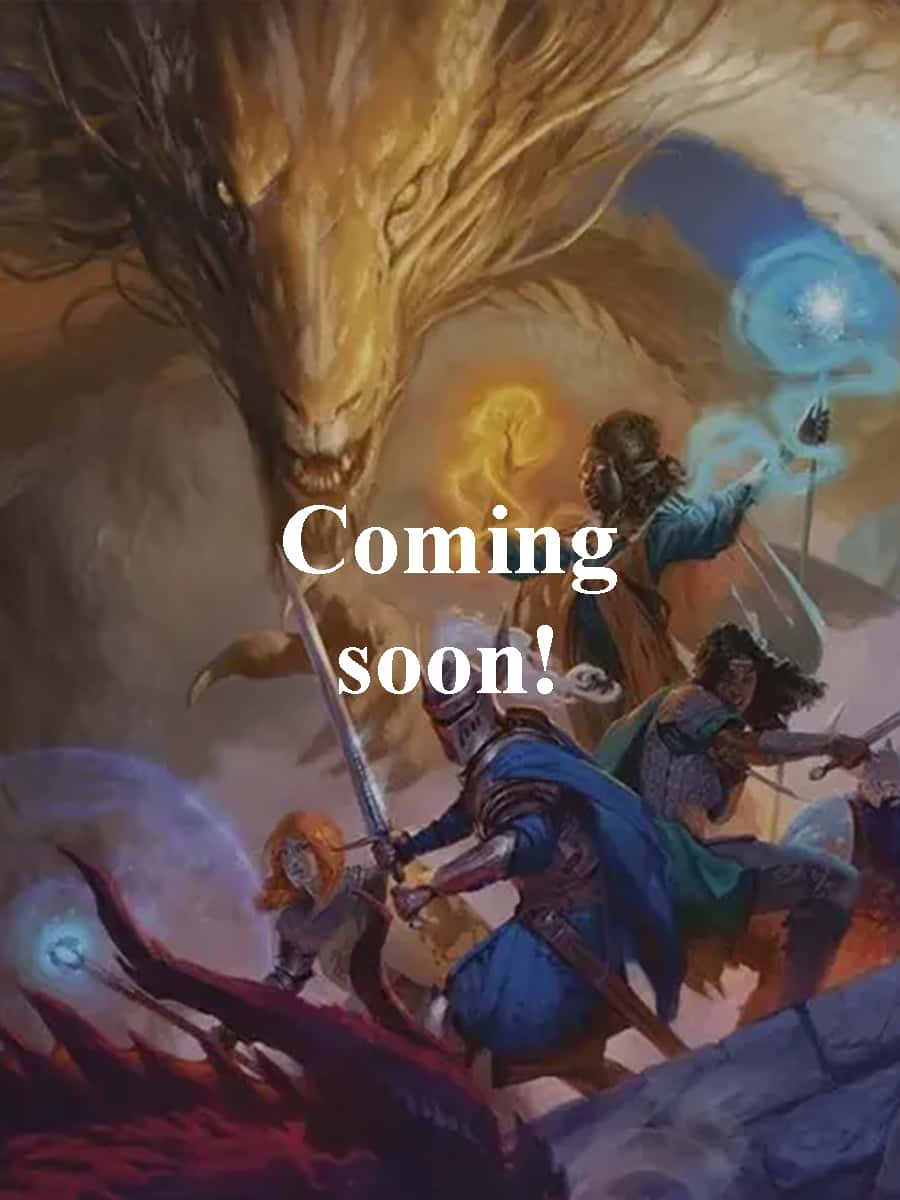
Forge your own fantasy tale with Dungeons & Dragons. Create a party of bold heroes, outsmart traps, bargain with dragons, and claim treasure in vivid worlds. Think the fellowship spirit of The Lord of the Rings, only you choose the paths, the battles, and the ending.
View system: Dungeons & DragonsCall of Cthulhu
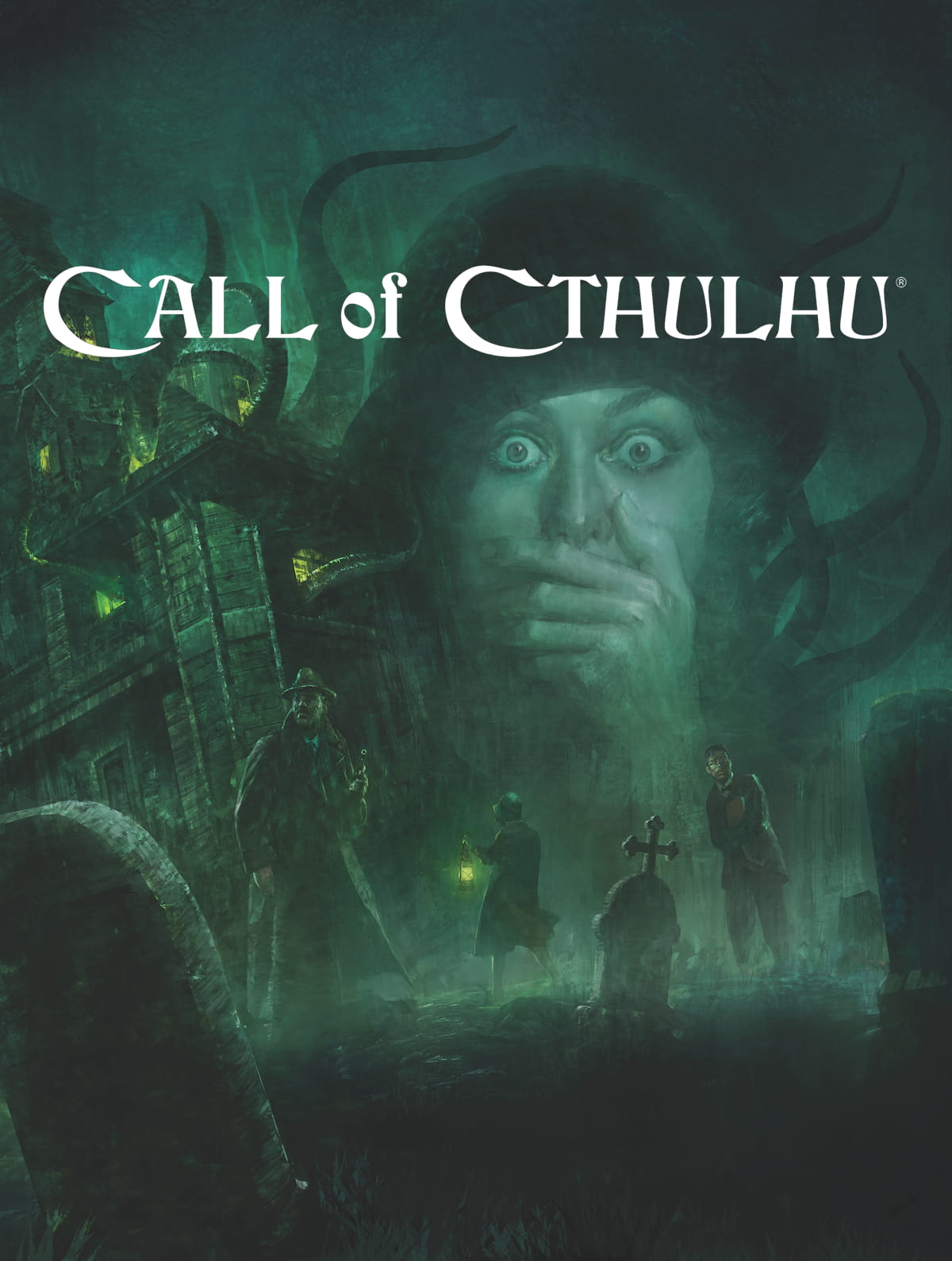
Call of Cthulhu is the classic game of investigative cosmic horror. Play doomed investigators probing occult mysteries and fragile sanity.
View system: Call of CthulhuDaggerheart
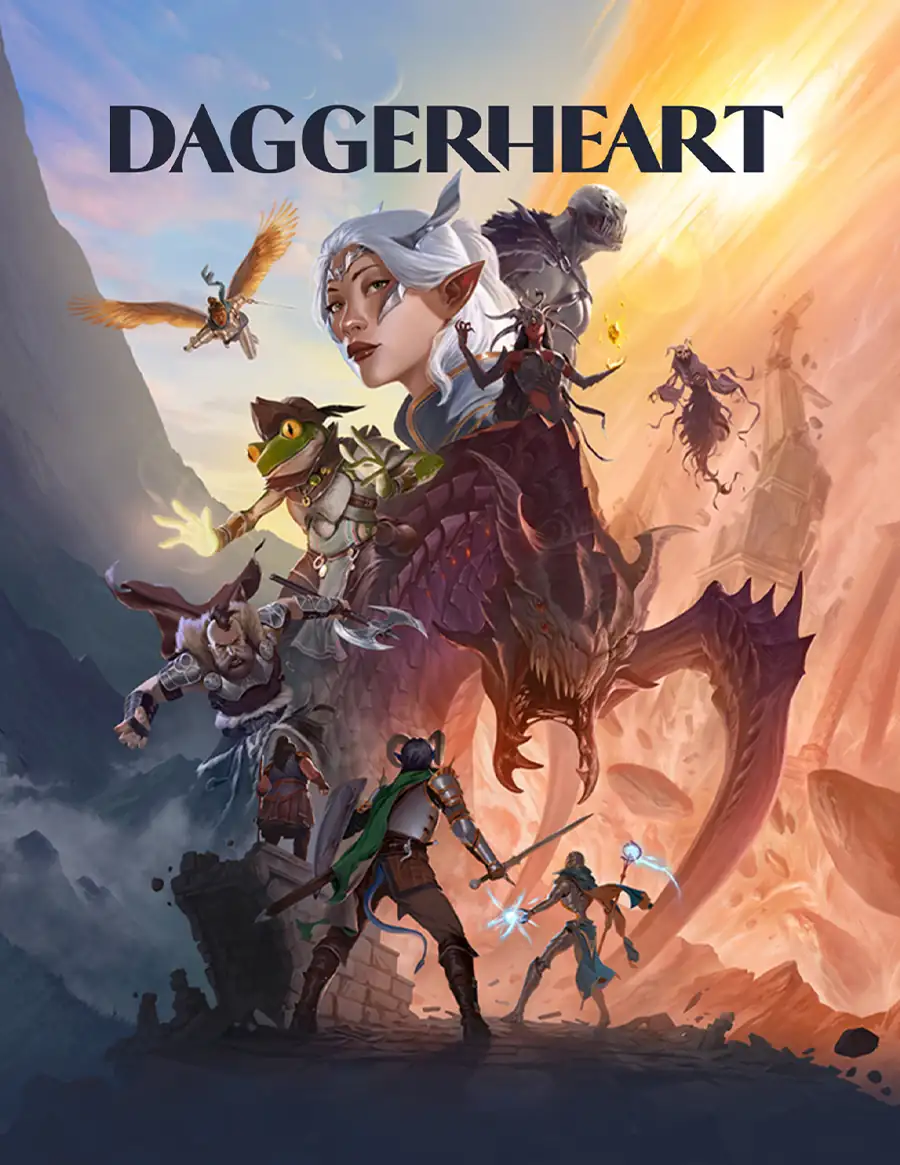
Daggerheart is a high-fantasy RPG where every roll uses Hope and Fear d12s. Big heroics meet meaningful consequences in fast, story-first play.
View system: Daggerheart



Whimsical
Playful fantasy where logic takes tea breaks and kindness solves problems. Think Alice in Wonderland, with curious rules, quirky friends…
View genre: WhimsicalAbsurd
Worlds where logic packs its bags. Expect nonsensical rules, existential jokes, and sudden dread, like The Hitchhiker’s Guide to the Galaxy…
View genre: AbsurdDark Fantasy
Gritty magic, frail hope, and choices that stain as monsters wear human faces and the cost of victory cuts deep. Think The Witcher, but the…
View genre: Dark FantasyMystery
Follow the clues, build timelines, and catch the culprit. Think Knives Out, but you are the detective, piecing together alibis and secrets…
View genre: MysteryExploration
Set out with a map and a question. Exploration stories chase horizons, chart ruins and wilds, and reward curiosity, like Indiana Jones with…
View genre: ExplorationOccult
Candlelit rituals, cryptic symbols, and whispered conspiracies. Think The X-Files as you chase clues through secret lodges and hidden…
View genre: OccultUrban Fantasy
Neon-lit streets hide ghosts, fae courts, and secret spells. Think The Dresden Files in your city, where missing persons, turf wars, and…
View genre: Urban FantasyLighthearted
Play upbeat, low-stakes adventures full of quick laughs, clever fixes, and friendly NPCs. Think The Princess Bride, with banter, charming…
View genre: Lightheartedby Tessa Supernatural
Unseen forces close in. You hunt answers through haunted houses, cursed towns, and sacred rites where ghosts, omens, and miracles blur fear…
View genre: Supernatural

