

Survival Horror
Dark corridors, failing lights, and a plan that keeps falling apart. You scrape for supplies, barricade doors, and whisper over the table as footsteps draw near. Not every threat can be fought. You weigh risk against time, improvise distractions, and search for codes that open the next way out. The fear builds from what you cannot see, until it is right there. A survival horror session feels like a scramble to endure, escape, or outwit the thing that hunts you, and to keep the group together.
At the table, this genre shines because pressure creates focus. Clear stakes, scarce resources, and team decisions make every turn matter. It is great for one-shots and short campaigns, and it works online or in person. Beginners who like tense stories pick it up fast, while veterans enjoy careful planning and hard choices. Families with teens can choose a lighter scare level. For company teams, it can emphasize communication and trust, with safety tools and debriefs so everyone leaves energized, not rattled.
Our Game Masters often run survival horror in Call of Cthulhu, Alien, Mothership, Dread with a tumbling block tower, Delta Green, or Ten Candles. Tone is adjustable, from bleak and deadly to punchy creature-feature thrills. You can set boundaries on gore and themes, choose mystery over body horror, and tune lethality, resource scarcity, and clue density. If you have a favorite system, ask. To see what these rules feel like, browse the game systems our Game Masters offer.
Frequently asked questions
How is survival horror different from other horror games?
Survival horror is built around scarcity and risk. Characters are fragile, supplies are tight, and running or hiding is often smarter than trading blows. Noise, light, and time attract danger, so choices carry weight. Clues and problem solving matter as much as combat. The mood stays tense and quiet, with sudden spikes when a plan slips. If you want cathartic monster brawls, pick another genre. If sweating over batteries, barricades, and which door to try next sounds fun, this is the right fit.
Which game systems fit survival horror best?
Alien and Mothership push tension with stress and panic that spiral under pressure. Call of Cthulhu and Delta Green focus on investigation and fragile investigators facing the unknown. Dread replaces dice with a tumbling block tower, so every pull shakes the table. Ten Candles is tragic and atmospheric, built to burn down to darkness. A professional Game Master will suggest rules that fit your tone, from gritty to pulpier. To compare options, see the game systems overview.
Is survival horror suitable for beginners or teens?
Yes, if they enjoy suspense and teamwork. Rules can be kept light, and a professional Game Master explains procedures before the tension ramps up. Safety tools and content boundaries are set at the start. Tone can be dialed toward suspenseful rather than graphic, with threats implied more than shown. Teens who like puzzles and stealth thrive, because careful choices matter more than system mastery. If someone is nervous, a professional Game Master can add more safe pauses, clearer clues, and gentler consequences.
What happens in a survival horror one-shot?
You jump in fast with a clear problem, like evacuating a facility or reaching a safe room. Expect scavenging, quiet planning, locked doors or codes, and tough calls about noise and time. Threats escalate as resources dwindle, and a reveal or twist narrows your options. The finale asks for a hard tradeoff to escape or contain the danger. Character loss is possible, but a professional Game Master keeps eliminated players involved with backup roles or brief framed scenes, then runs a short debrief.
Booking Form


Sent!

Nat 1, try again!
Please try again or email info@storyforgers.com
ALIEN: The Roleplaying Game
Stalk the dark between the stars with ALIEN: The Roleplaying Game, a cinematic survival horror experience. Stress fuels panic and hard choices as you fight to survive. If Ridley Scott's Alien hooked you, this delivers that same cold-sweat dread at the table.
View system: ALIEN: The Roleplaying GameMothership
Mothership is sci-fi survival horror where you are spacers scrambling to stay alive as systems fail and something hunts you. Think Alien's tense corridors and hard choices. A professional Game Master guides 2 to 5 players through nail-biting one-shots or mini-campaigns.
View system: MothershipDread
Dread is a one-shot survival horror RPG that trades dice for a tumbling block tower. Each pull raises the stakes and your pulse. Think The Thing at your table, where fear, tough choices, and human flaws decide who makes it out.
View system: DreadCall of Cthulhu
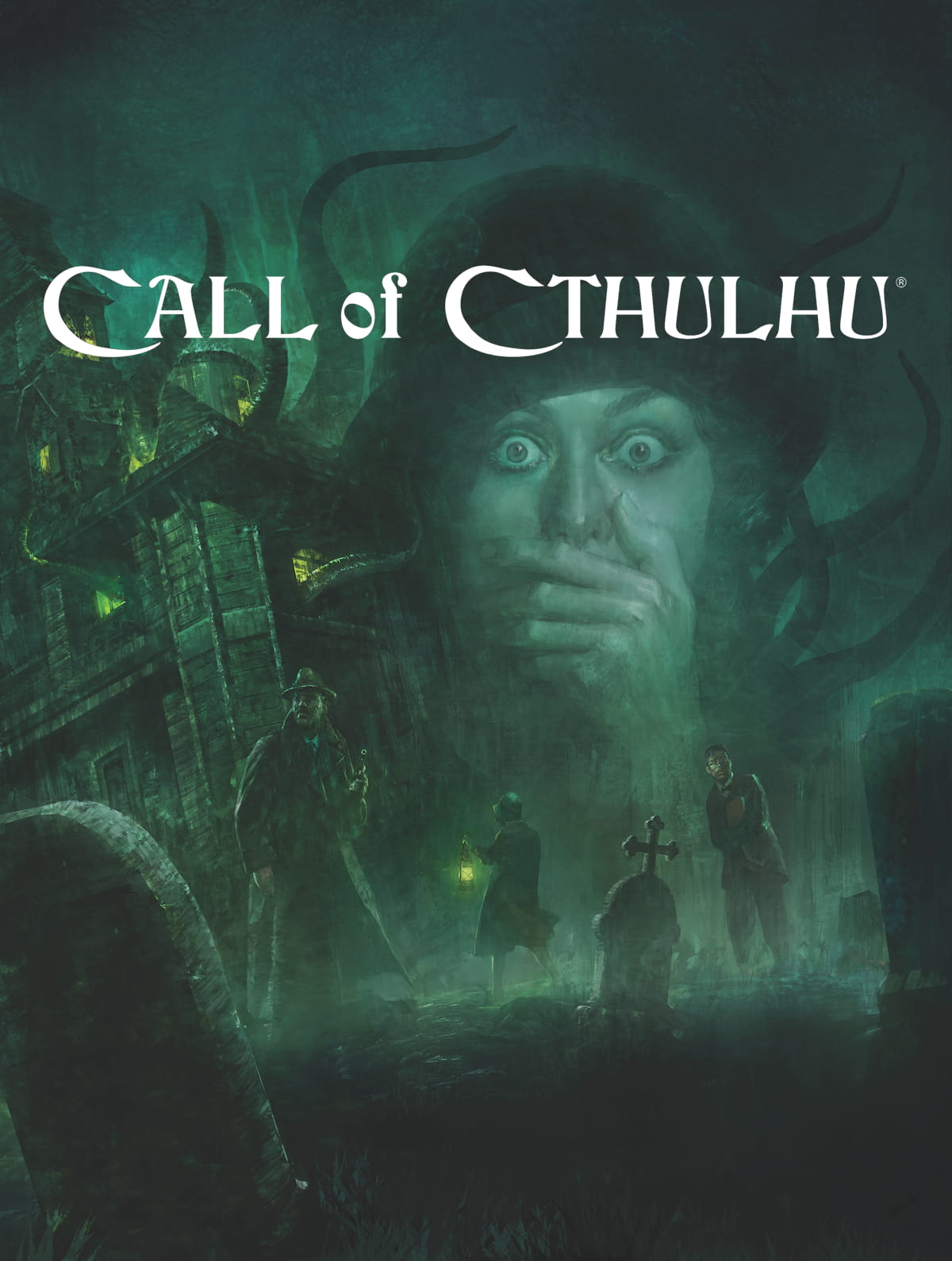
Call of Cthulhu is the classic game of investigative cosmic horror. Play doomed investigators probing occult mysteries and fragile sanity.
View system: Call of CthulhuMörk Borg
Mörk Borg is a rules-light, doom-metal fantasy where the world rots and you try to survive one more night. Brutal, fast and stylish, it plays like Dark Souls filtered through a torn black-metal zine. Perfect for grim one-shots or a doomed mini-campaign.
View system: Mörk BorgDelta Green
Delta Green is modern-day cosmic horror and conspiracy. You play agents who face impossible threats, cover them up, and pay the personal cost. Think The X-Files with sharper teeth, where victories are fragile and sanity is on the line.
View system: Delta GreenHeart: The City Beneath
Descend into the City Beneath, a living labyrinth of hunger, miracles and ruin. Heart is dark fantasy and survival horror where obsession drives your choices and the world reshapes you. If Annihilation's strange wilderness hooked you, this brings that feeling to the table.
View system: Heart: The City BeneathTen Candles
Ten Candles is a one‑shot, tragic horror story told in a room lit by candles. With each scene, another light goes out and the darkness closes in. Think The Mist, but everyone knows it ends badly, and that is what makes the journey gripping.
View system: Ten CandlesArkham Horror: The Roleplaying Game
Face creeping dread and tangled conspiracies in Arkham, as investigators hunt clues, outwit cults and bargain with forces best left alone. Powered by narrative dice that turn every roll into story beats, it leans into tension and discovery. Fans of the Arkham Horror board game will feel right at home.
View system: Arkham Horror: The Roleplaying Game




by Tessa Cosmic Horror
Reality tilts, secrets whisper, and your choices feel tiny beneath indifferent stars. Cosmic dread and investigative mystery, in the vein…
View genre: Cosmic Horrorby Tessa Psychological Horror
Tense, intimate horror where your mind is the maze. Think Shutter Island. Doubt your memories, question your allies, and feel dread build…
View genre: Psychological Horrorby Tristan the Lowly Wizard Gritty
Hard choices, scarce resources, and consequences that stick. Think Game of Thrones when trust is fragile, debts come due, and survival has…
View genre: GrittySurvival
Cold nights, empty packs, and hard choices. Survival tales test grit and teamwork as you ration supplies, outsmart nature, and face human…
View genre: SurvivalMystery
Follow the clues, build timelines, and catch the culprit. Think Knives Out, but you are the detective, piecing together alibis and secrets…
View genre: MysteryOccult
Candlelit rituals, cryptic symbols, and whispered conspiracies. Think The X-Files as you chase clues through secret lodges and hidden…
View genre: OccultConspiracy
Peel back layers of lies as you chase threads through shadowed rooms, coded files, and double-crosses. Paranoia builds with every clue…
View genre: Conspiracyby Elliot Gothic
Candlelit corridors, storm-lashed manors, secret letters, and forbidden desire. Gothic play blends romance, dread, and family curses, like…
View genre: GothicDark Fantasy
Gritty magic, frail hope, and choices that stain as monsters wear human faces and the cost of victory cuts deep. Think The Witcher, but the…
View genre: Dark Fantasy


