

Thriller
Thriller games put you under pressure. The clock is visible. You are racing to stop a disaster, extract a target, or escape a trap. Scenes cut fast between dark alleys, safehouse debates, and high speed chases. You argue, plan, and act before the window closes. A professional Game Master keeps the camera tight, raises stakes, and rewards bold moves. Trust is shaky. Enemies hunt. One mistake opens a new problem. When it breaks loose, you run, bluff, or fight to make it out.
Thrillers work well at the table because goals are clear and momentum stays high. Beginners enjoy having a concrete mission and quick feedback on choices. Team events love the shared urgency and the need to coordinate under pressure. Families can enjoy it too when the mood is kept light on gore and heavy on clever escapes. Veterans get layered threats, resource tradeoffs, and tense moral calls. Our Game Masters manage spotlight, set clear consequences, and tune intensity so everyone is engaged and comfortable.
Thriller sessions run smoothly in modern action systems, investigative frameworks, and flexible narrative games. One-shots and short arcs shine. Tone is your choice, from grounded and gritty to sleek techno thriller to pulpy caper. Content can sit at PG or tilt toward R, with safety tools to guide the line. Our Game Masters pick mechanics for chases, countdowns, and pressure. Explore system options on our game systems overview, then tell your GM the flavor you want.
Frequently asked questions
How is a thriller different from mystery or horror?
In a thriller, tension comes from immediate danger and time pressure, not from decoding puzzles or building dread. Scenes move fast, decisions happen under stress, and you face betrayals or traps at speed. Horror leans on fear of the unknown and lingering unease. Mystery centers on careful clue work and deduction. Thriller play is kinetic and forward. Expect pursuit, risky maneuvers, and bold gambits that escalate consequences.
Which game systems work best for thriller sessions?
Thriller sessions shine in systems with clear chase rules, timers, resource stress, and fast actions. Our Game Masters often pick streamlined action engines, investigative frameworks that shift to action cleanly, or narrative games that spotlight intent and consequences. Rules-light options speed table decisions, while medium-crunch supports tactical stunts. If you want ideas to compare, browse the game systems overview and note what emphasizes chases, pressure, or cinematic moves. Your GM will tailor complexity to your group.
Is a thriller a good fit for beginners or for kids?
Yes. Thrillers welcome new players because choices are concrete and feedback is quick. A professional Game Master teaches as you go, flags risk, and frames scenes so you always have a strong move. For kids or mixed ages, the GM can pivot to PG action. Swap firearms for gadgets, wounds for setbacks, and deadly foes for bumbling henchmen. Stakes become capture, alarms, or foiled plans. A brief talk up front sets lines and keeps the rush fun.
Can you adjust tone, realism, and intensity in a thriller?
Yes. You steer realism, intensity, and vibe. Tell the GM if you prefer near-real action, glossy spy fiction, or breezy heist energy. You can set limits like no graphic violence, fade-to-black on interrogation, or no real-world politics. The GM tunes threats, consequences, and pacing to fit. If you want help matching style to a GM, check the notes on GM playstyles and mention what you like when you book.
Booking Form


Sent!

Nat 1, try again!
Please try again or email info@storyforgers.com
Outgunned
Outgunned is a cinematic action RPG for slick heists, spy games, and shootouts. Feel the pace and style of Mission: Impossible as you improvise plans, pull crazy stunts, and beat the clock. Easy to learn, tense at the table, great for one-shots or a full series.
View system: OutgunnedFiasco
Fiasco is a fast, GMless story game of small-time capers gone very wrong. Think Fargo’s mix of crime, comedy and disaster. You and your friends build messy relationships, set scenes, and watch bold plans explode into hilarious, sometimes heartbreaking consequences.
View system: FiascoAlice Is Missing
Search a small town for a missing teenager in a GM-less, silent roleplaying game told entirely through text messages. If Veronica Mars is your vibe, this intimate mystery delivers raw emotions, fast play, and a powerful story for 3 to 5 players in 90 to 150 minutes.
View system: Alice Is MissingEat the Reich
Play vampire commandos on a daring heist through Nazi-occupied Europe. Think Inglourious Basterds with fangs. Light, punchy rules drive audacious stunts, dark laughs, and quick pacing, perfect for a focused one-shot with 2 to 5 players.
View system: Eat the ReichDungeons & Dragons
Forge your own fantasy tale with Dungeons & Dragons. Create a party of bold heroes, outsmart traps, bargain with dragons, and claim treasure in vivid worlds. Think the fellowship spirit of The Lord of the Rings, only you choose the paths, the battles, and the ending.
View system: Dungeons & DragonsCall of Cthulhu
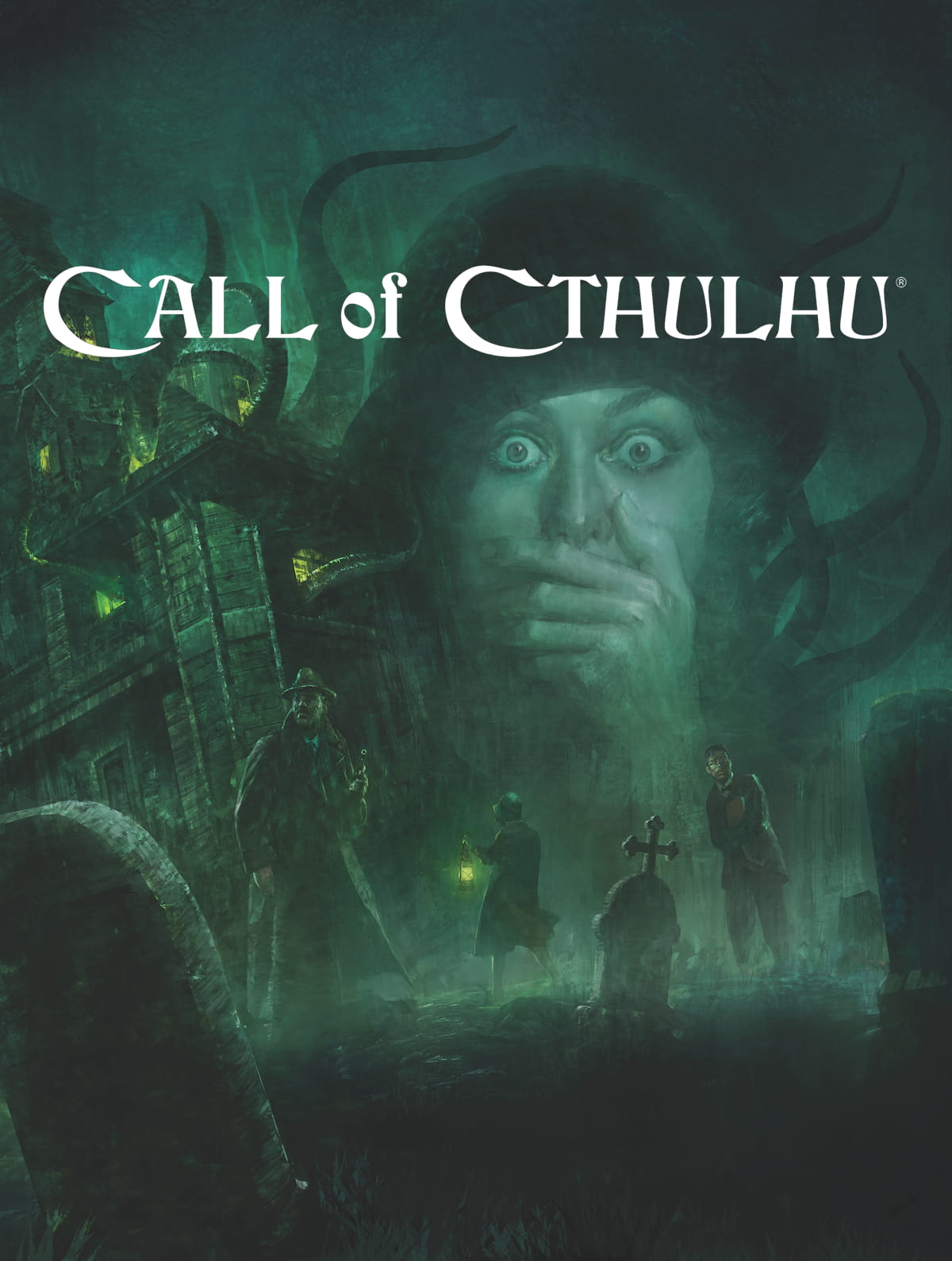
Call of Cthulhu is the classic game of investigative cosmic horror. Play doomed investigators probing occult mysteries and fragile sanity.
View system: Call of CthulhuDaggerheart
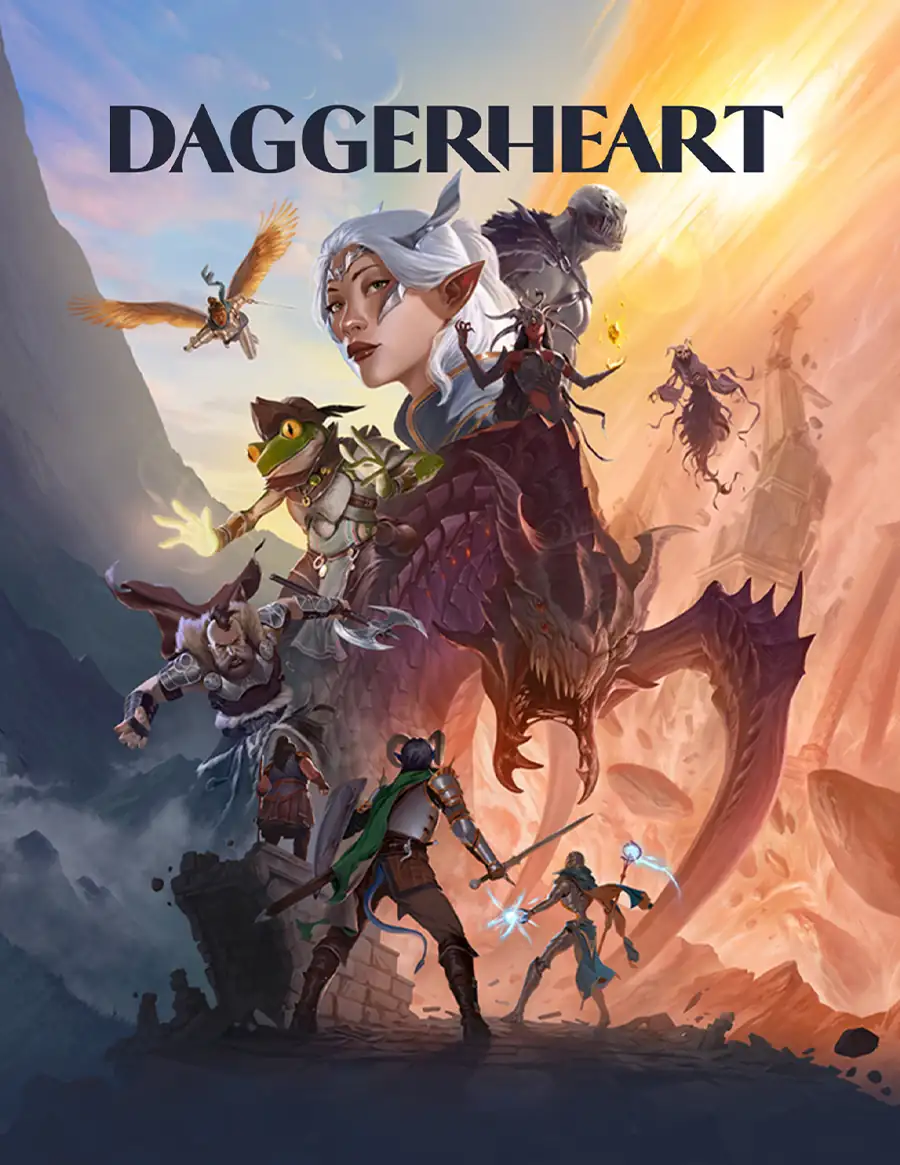
Daggerheart is a high-fantasy RPG where every roll uses Hope and Fear d12s. Big heroics meet meaningful consequences in fast, story-first play.
View system: DaggerheartVampire: The Masquerade
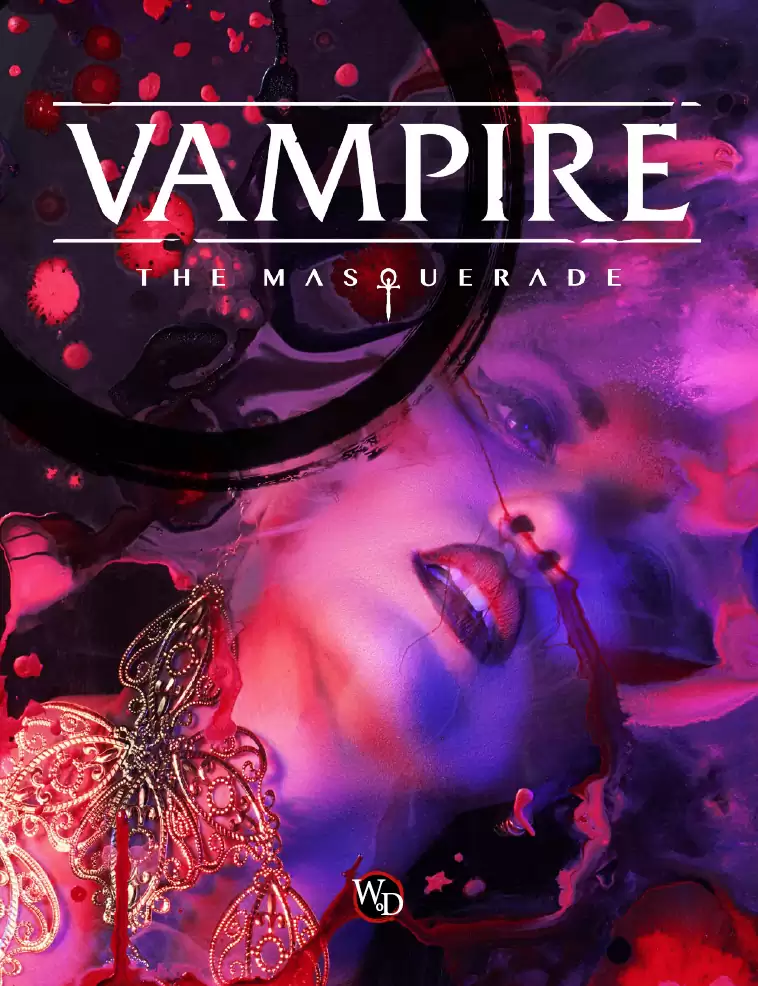
Vampire: The Masquerade is modern-night roleplay about hunger, power and secrecy. Think Interview with the Vampire, but you make the calls. Scheme, seduce and survive as a coterie while a professional Game Master brings a city of dark politics to life.
View system: Vampire: The MasqueradeCyberpunk
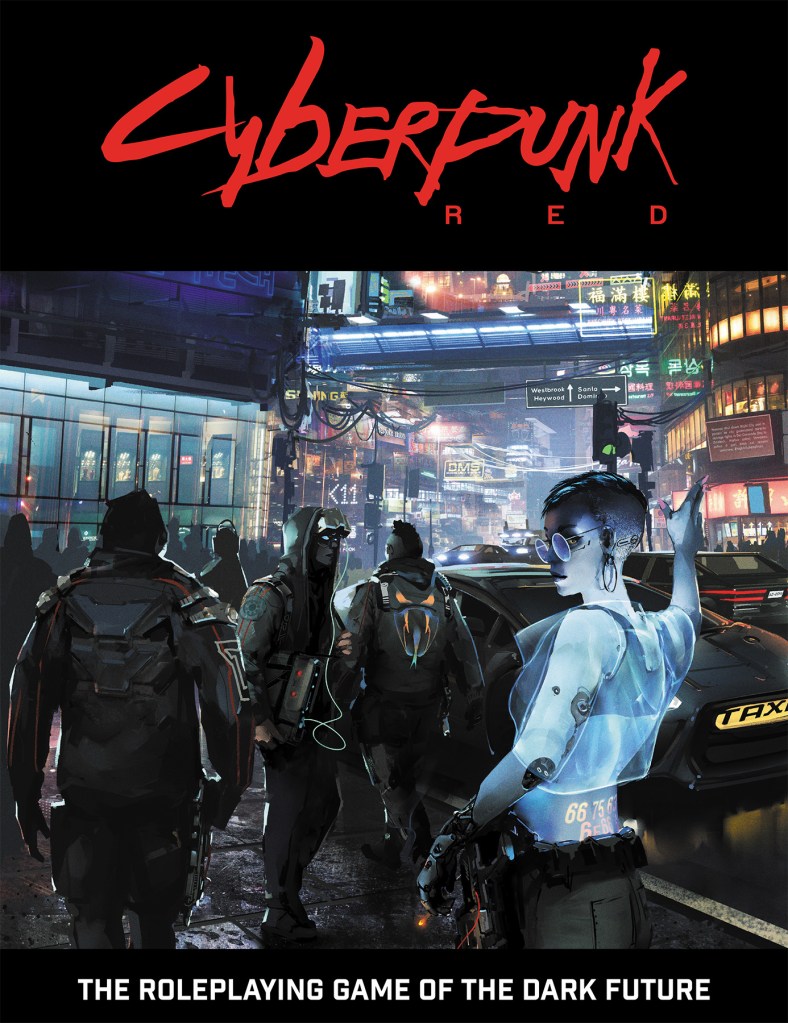
Rule the neon sprawl with Cyberpunk RED, the near-future game of mercs, megacorps and hard choices from R. Talsorian Games. Fast, deadly action, slick tech and tense heists. If you know Cyberpunk 2077, you already feel the grit and style.
View system: Cyberpunk



by @a3papier Crime
Pull a slick heist, hunt a killer, or navigate the mob's code. Crime games balance planning, pressure, and moral gray choices, from Ocean's…
View genre: Crimeby Tessa Heist
Assemble the crew, case the target, and pull off the score. Think Ocean's Eleven, with clever plans, expert roles, close calls, and a dash…
View genre: HeistComedy
Lighthearted adventures where the punchline matters as much as the plot. Think Monty Python and the Holy Grail energy at the table, with…
View genre: ComedyEspionage
Tradecraft, dead drops, double agents, and tense choices under pressure. Think Mission: Impossible brought to the table, where every…
View genre: EspionageMystery
Follow the clues, build timelines, and catch the culprit. Think Knives Out, but you are the detective, piecing together alibis and secrets…
View genre: Mysteryby Tristan the Lowly Wizard Gritty
Hard choices, scarce resources, and consequences that stick. Think Game of Thrones when trust is fragile, debts come due, and survival has…
View genre: GrittyHeroic
Stand tall, choose the right thing, and win the day. Heroic games feel like The Lord of the Rings, with bold vows, last stands, rescued…
View genre: HeroicVampire
Whispers in candlelit halls, forbidden hunger, and the price of immortality. Navigate gothic politics and predatory desire, hunt and be…
View genre: VampireConspiracy
Peel back layers of lies as you chase threads through shadowed rooms, coded files, and double-crosses. Paranoia builds with every clue…
View genre: Conspiracy


