

Werewolf
Moonrise means choices. Do you chain yourself in the cellar, or answer the call of the pack? Werewolf stories at the table mix tense hunts, raw transformations, and the pull of territory and kin. You might track a killer through pine woods, bargain with an elder wolf for safe passage, or fight to keep your secret from friends. Sessions swing between quiet human moments and sudden feral bursts, with scars that matter the morning after.
It works because the conflict is simple to grasp and rich to play. You have a human goal, and a beast that wants something else. Pack ranks, oaths, and rival hunters give everyone a role. Beginners enjoy clear stakes and cool set pieces. Veterans savor moral weight, resource pressure, and tactics. Families with teens can handle it as spooky adventure. Team events love trust tests, leadership beats, and shared victories.
Our Game Masters run werewolf tales in Werewolf: The Apocalypse or Forsaken, Monster of the Week, Fate Core, or D&D 5e with lycanthropy. Tone is yours to set, from gritty body horror to tragic romance, action thriller, or folk tale. You can lean into politics and pack drama, or keep it monster-of-the-week. See available game systems for options, and tell your Game Master how dark, bloody, or hopeful you want it.
Frequently asked questions
How is a werewolf game different from vampire or hunters?
Werewolf play centers on the push and pull between instinct and conscience, plus the obligations of a pack and territory. You track threats, defend borders, and deal with rival packs or hunters. The moon acts like a clock that adds pressure, and the body change has real costs. Vampire often leans politics and secrecy in cities, and straight monster-hunter games treat creatures as targets. In werewolf stories, you are the creature, so choices about control, loyalty, and collateral damage sit at the table.
Do we all need to play werewolves, or can some be human?
You can all be werewolves, or mix in a human ally, occult expert, or rival-turned-friend. A professional Game Master makes sure every role matters. Humans handle daytime leads, social cover, gear, and hard choices. Wolves handle tracking, intimidation, and the fight. Your Game Master sets table rules up front for secrets, silver, and what happens if someone loses control near the group. Expect clear safety tools and consent around turning a human PC. Mixed packs work best when everyone shares a reason to stick together.
Which game systems fit werewolf stories, and how do they feel?
Werewolf: The Apocalypse or Werewolf: The Forsaken give you deep pack mechanics, spiritual threats, and a focus on territory. Monster of the Week runs fast, like a TV episode, with simple moves and a clear hunt. Fate Core highlights the inner struggle, using aspects and compels to tempt the beast. D&D 5e supports lycanthropy as a curse in a fantasy world, with silver and balance handled by your Game Master. If you want to compare options, browse our game systems and tell your Game Master the vibe you prefer.
What happens in a werewolf one-shot, and is it beginner friendly?
A one-shot usually spans a single night in-game. You start with a clear problem, like a trespass on pack land or a missing cub. There is quick setup, a tense investigation or track, one negotiation or reveal, and a climactic choice under the moon. Everyone gets spotlight, and at least one full transformation hits the table. Your Game Master brings pre-generated characters if you like, so you can start fast. It runs 3 to 4 hours for 3 to 6 players, and it is friendly to first-timers.
Booking Form


Sent!

Nat 1, try again!
Please try again or email info@storyforgers.com
Werewolf: The Apocalypse
Fight for a dying world as a werewolf in Werewolf: The Apocalypse. You and your pack hunt corruption in city streets and wild places, torn between fury and duty. Think Underworld, but you are the monsters with a cause, bound by tribe, spirit, and an oncoming doom.
View system: Werewolf: The ApocalypseChronicles of Darkness
Chronicles of Darkness is modern urban fantasy and horror where your choices shape the shadows around you. Think The X-Files with deeper scars. Play ordinary people or awakened monsters as you chase mysteries and face personal costs.
View system: Chronicles of DarknessDungeons & Dragons
Forge your own fantasy tale with Dungeons & Dragons. Create a party of bold heroes, outsmart traps, bargain with dragons, and claim treasure in vivid worlds. Think the fellowship spirit of The Lord of the Rings, only you choose the paths, the battles, and the ending.
View system: Dungeons & DragonsCall of Cthulhu
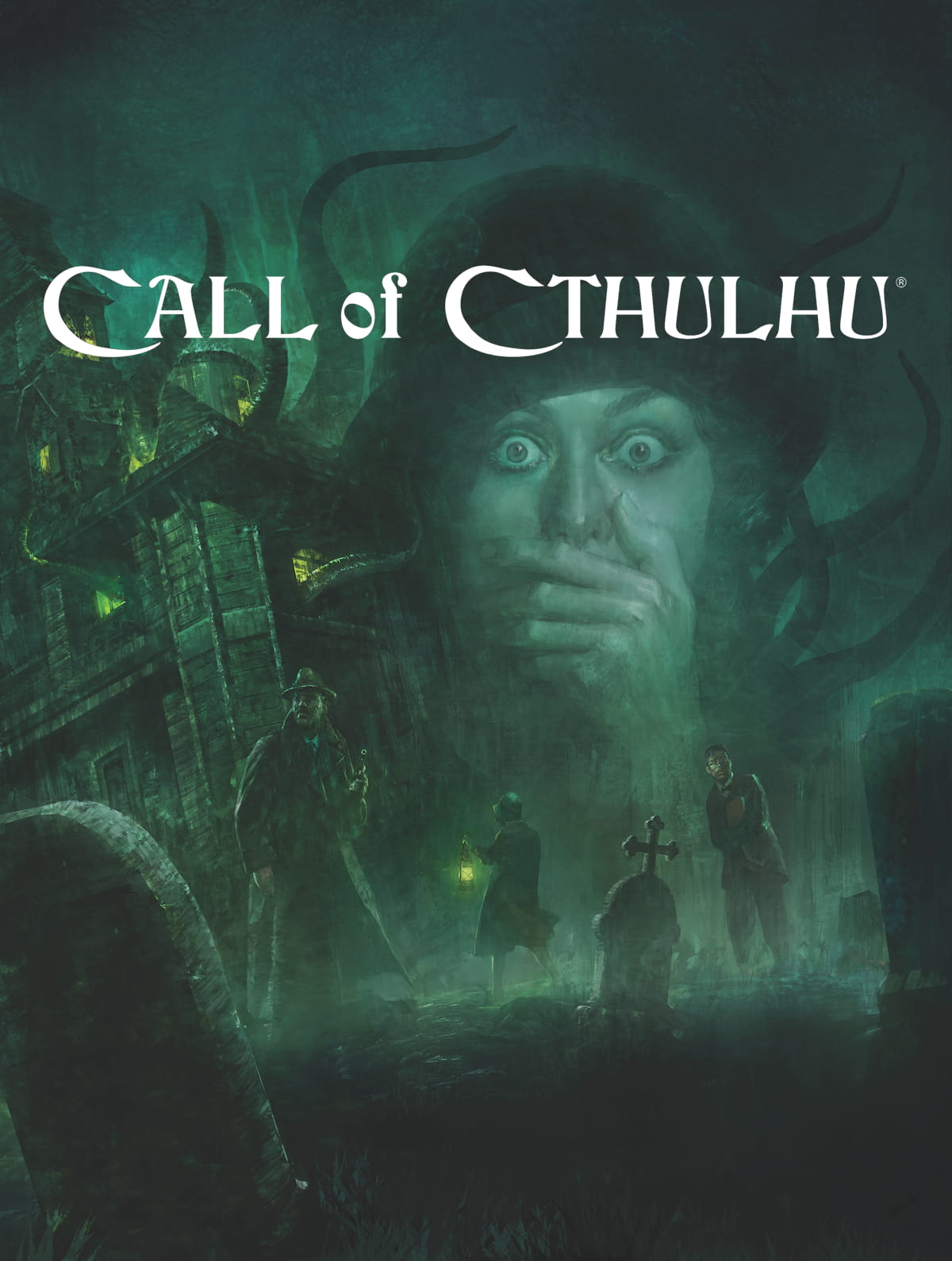
Call of Cthulhu is the classic game of investigative cosmic horror. Play doomed investigators probing occult mysteries and fragile sanity.
View system: Call of CthulhuDaggerheart
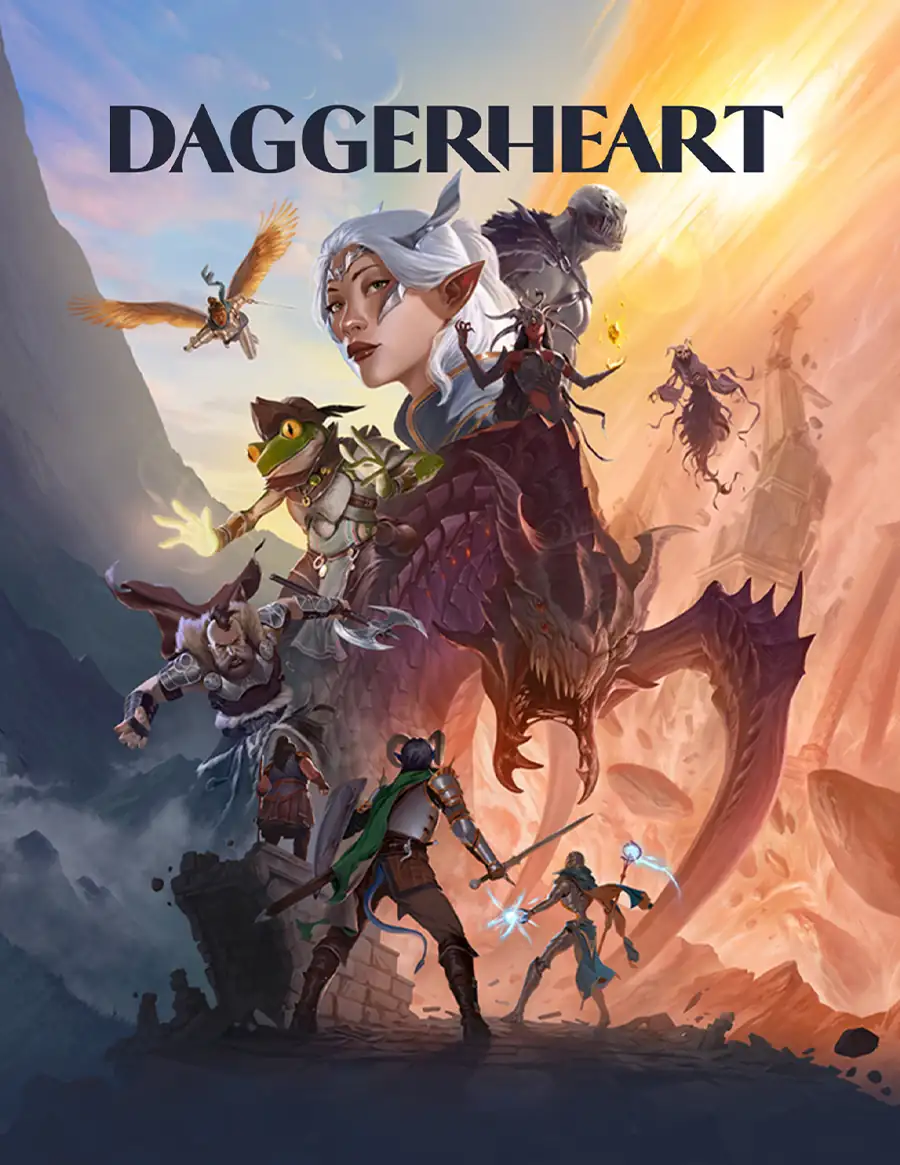
Daggerheart is a high-fantasy RPG where every roll uses Hope and Fear d12s. Big heroics meet meaningful consequences in fast, story-first play.
View system: DaggerheartVampire: The Masquerade
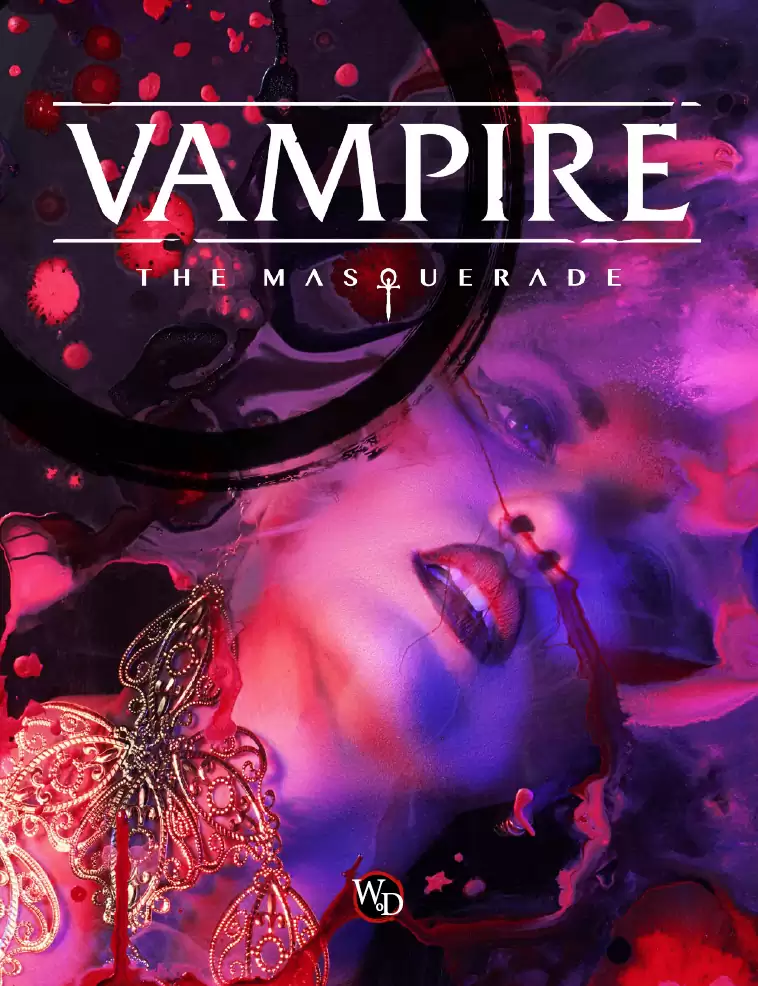
Vampire: The Masquerade is modern-night roleplay about hunger, power and secrecy. Think Interview with the Vampire, but you make the calls. Scheme, seduce and survive as a coterie while a professional Game Master brings a city of dark politics to life.
View system: Vampire: The MasqueradeCyberpunk
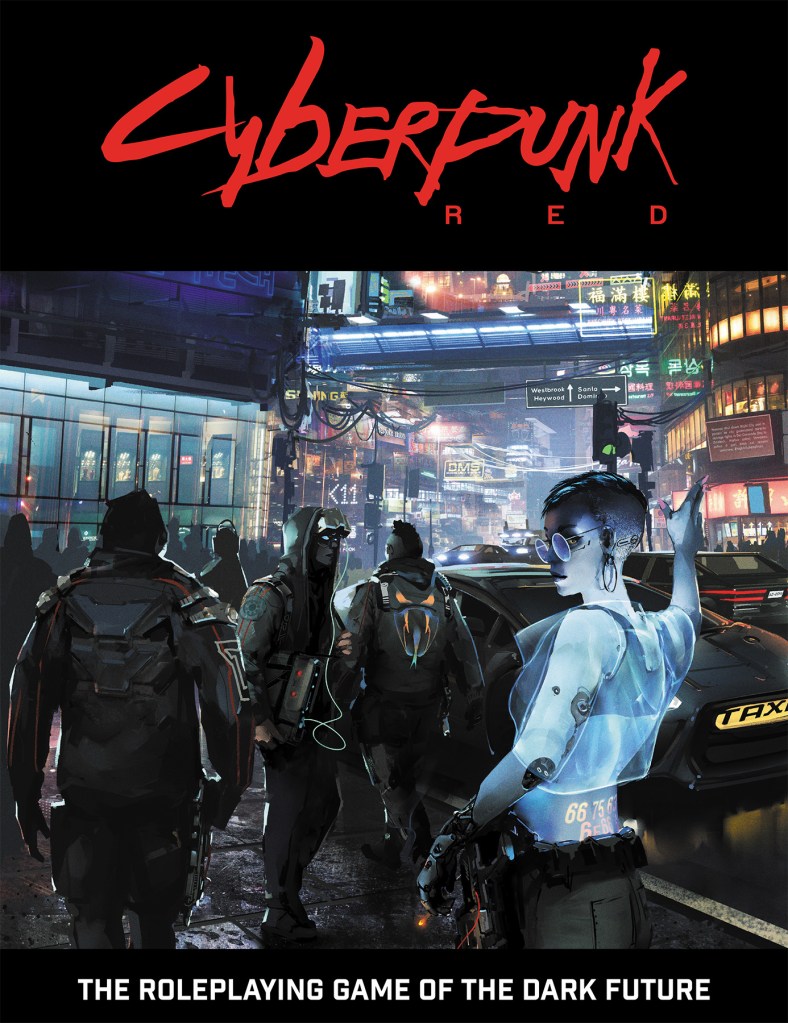
Rule the neon sprawl with Cyberpunk RED, the near-future game of mercs, megacorps and hard choices from R. Talsorian Games. Fast, deadly action, slick tech and tense heists. If you know Cyberpunk 2077, you already feel the grit and style.
View system: CyberpunkLancer
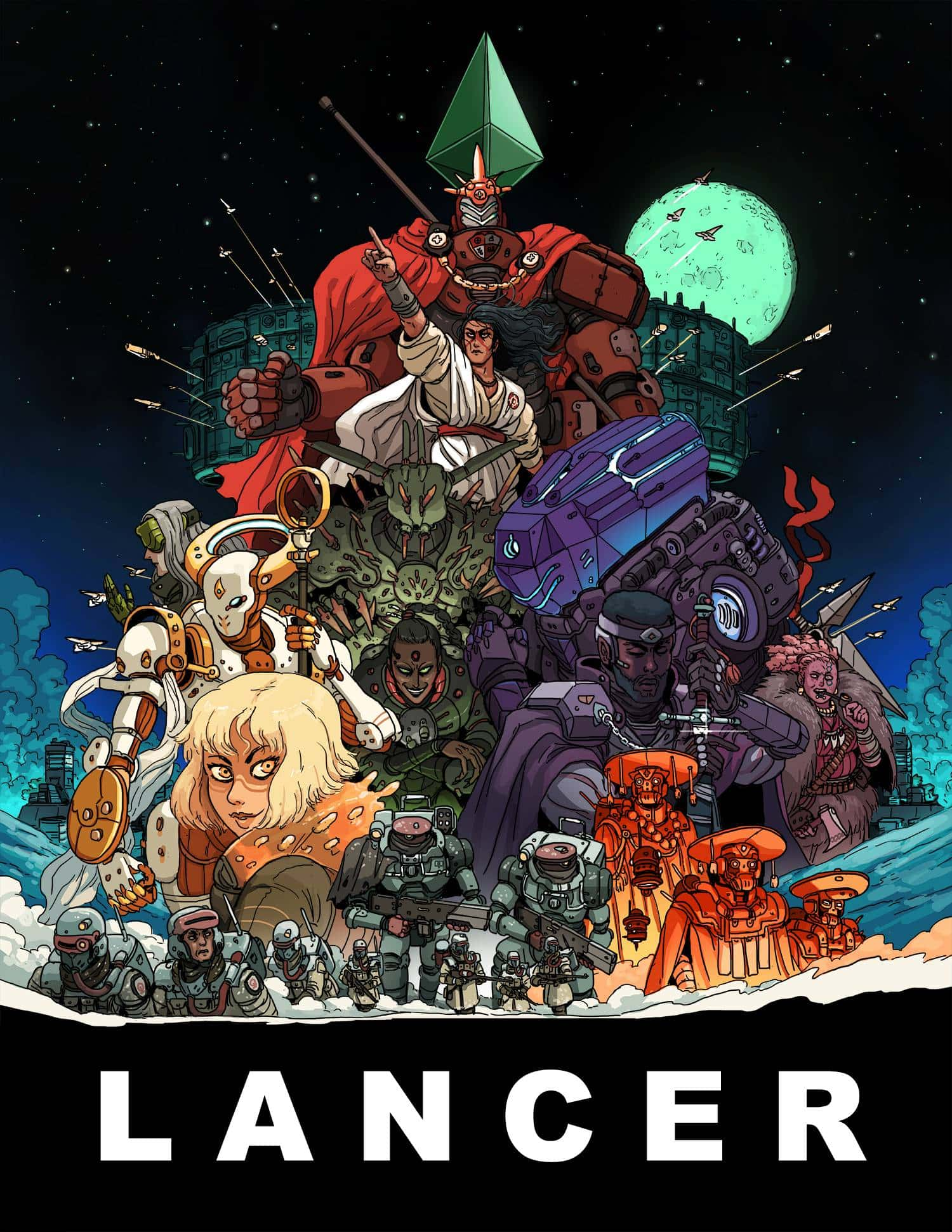
Pilot a custom-built mech in high-stakes missions that blend sharp tactics with character drama. Lancer delivers crunchy battles and sweeping sci-fi about duty, politics, and hope. If you love Gundam, you will feel right at home.
View system: LancerStarfinder
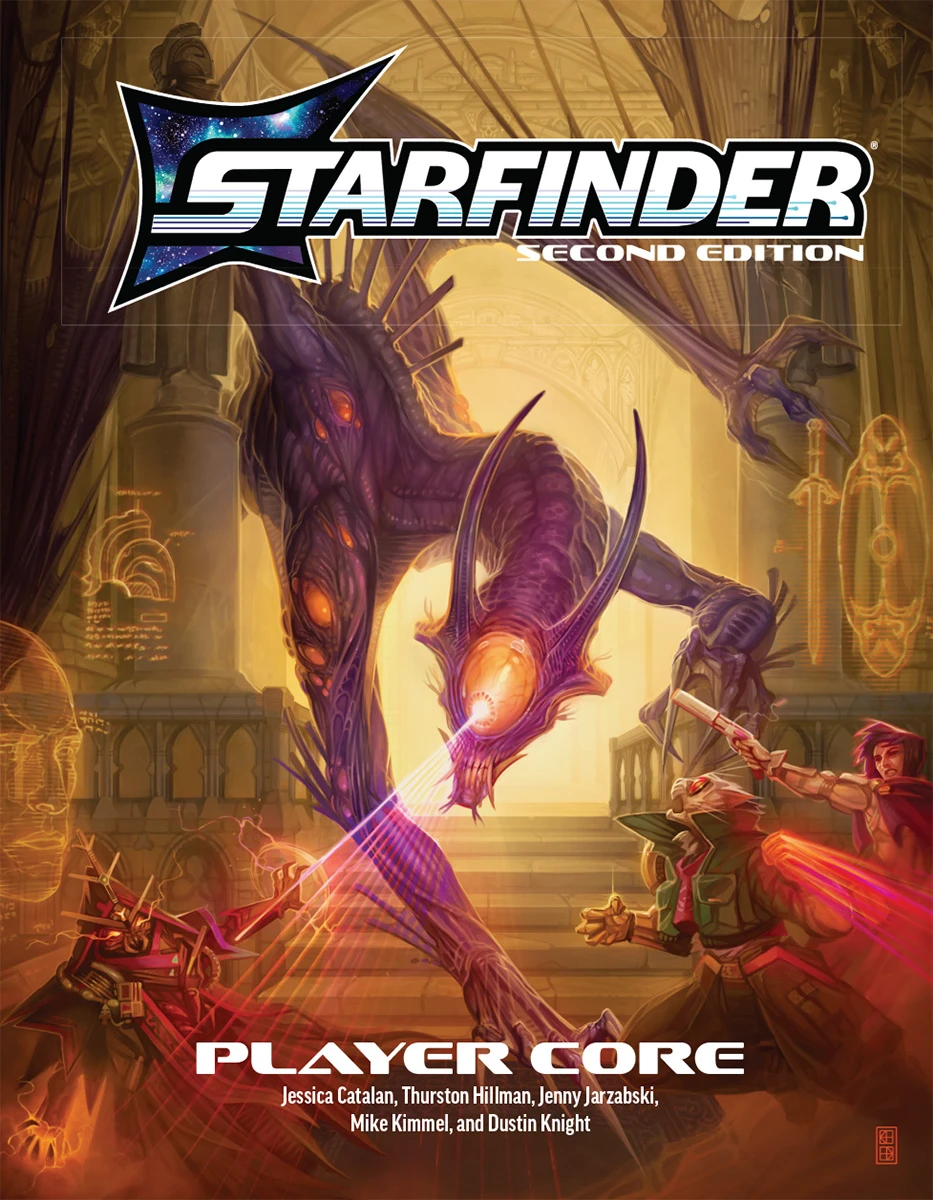
Starfinder is Paizo’s science-fantasy of blaster fights, spell-slinging technomancers, and starship showdowns. Think Mass Effect with magic. Our Game Masters guide you through strange worlds, daring heists, and alien mysteries that reward teamwork and bold choices.
View system: Starfinder


Urban Fantasy
Neon-lit streets hide ghosts, fae courts, and secret spells. Think The Dresden Files in your city, where missing persons, turf wars, and…
View genre: Urban Fantasyby Max Monster Hunting
Track terrifying creatures, learn their quirks, and bring them down with clever prep and teamwork. Think footprints, bait, and decisive…
View genre: Monster HuntingOccult
Candlelit rituals, cryptic symbols, and whispered conspiracies. Think The X-Files as you chase clues through secret lodges and hidden…
View genre: OccultConspiracy
Peel back layers of lies as you chase threads through shadowed rooms, coded files, and double-crosses. Paranoia builds with every clue…
View genre: ConspiracyFound Family
Misfits become home to each other, with midnight jokes, shared scars, and promises that stick. Think Guardians of the Galaxy, but your…
View genre: Found FamilyWilderness
Boots on the trail, maps in hand, miles of untamed terrain between you and safety. Think the Fellowship crossing the wilds of Middle-earth…
View genre: WildernessMystery
Follow the clues, build timelines, and catch the culprit. Think Knives Out, but you are the detective, piecing together alibis and secrets…
View genre: Mysteryby Tessa Psychological Horror
Tense, intimate horror where your mind is the maze. Think Shutter Island. Doubt your memories, question your allies, and feel dread build…
View genre: Psychological HorrorVampire
Whispers in candlelit halls, forbidden hunger, and the price of immortality. Navigate gothic politics and predatory desire, hunt and be…
View genre: Vampire


