

Collaborative Storytelling
A professional Game Master shares the narrative tools with you. They ask focused questions and invite you to set stakes. You can choose where a scene starts or ends, define landmarks and NPC relationships, and use light meta mechanics like narrative points for flashbacks or twists. Table talk and play flow together, always in service of your characters. Your Game Master keeps continuity, handles rules, and weaves ideas into a clear arc, so the story stays cohesive while staying yours.
Great for story lovers, improv fans, and curious beginners who want guidance without losing agency. Teams enjoy it for shared creativity and quick rapport. Tacticians can bring strategy, but the focus is on choices and themes over grid combat. It shines in one-shots that build a setting at the table, or in character-driven campaigns. Pair it with rules-light or narrative games, or browse game systems that support shared authorship to find a good fit.
Frequently asked questions
How is this different from a classic GM-led game?
In Collaborative Storytelling you help author the fiction, not just react to it. A professional Game Master invites table input to frame scenes, add setting elements, and influence consequences, then organizes it so the plot stays understandable. Compared to a traditional GM-led game, authority is shared, while the GM safeguards pacing, rules, and continuity.
Is this style good for beginners or kids?
It suits newcomers because you get clear prompts and gentle guidance at each step. For kids, the GM uses concrete choices, quick turns, and visual aids to keep energy high. Rules weight can be dialed down so focus stays on character ideas. If anyone feels shy, the GM starts with smaller author moves and grows them as confidence builds.
Does it suit a team event or a one-shot?
It is a strong fit for team events because everyone gets structured moments to contribute, which builds rapport fast. The GM sets timeboxes, rotates spotlight, and ties prompts to your theme, like collaboration or problem solving. One-shots start with a shared purpose, then co-create key locations or NPC ties to get moving in minutes. Expect a clear finish within the session.
Can we mix this with tactical combat or puzzles?
Yes, the GM can alternate collaborative scene framing with set-piece combats or prewritten mysteries. Player authorship focuses on stakes, flashbacks, or environment details, while the GM runs maps, turns, and clues by the book. Before play, you agree where narrative input applies and where strict rules take over, so expectations are crisp.
Booking Form


Sent!

Nat 1, try again!
Please try again or email info@storyforgers.com
Dungeons & Dragons
Forge your own fantasy tale with Dungeons & Dragons. Create a party of bold heroes, outsmart traps, bargain with dragons, and claim treasure in vivid worlds. Think the fellowship spirit of The Lord of the Rings, only you choose the paths, the battles, and the ending.
View system: Dungeons & DragonsCall of Cthulhu
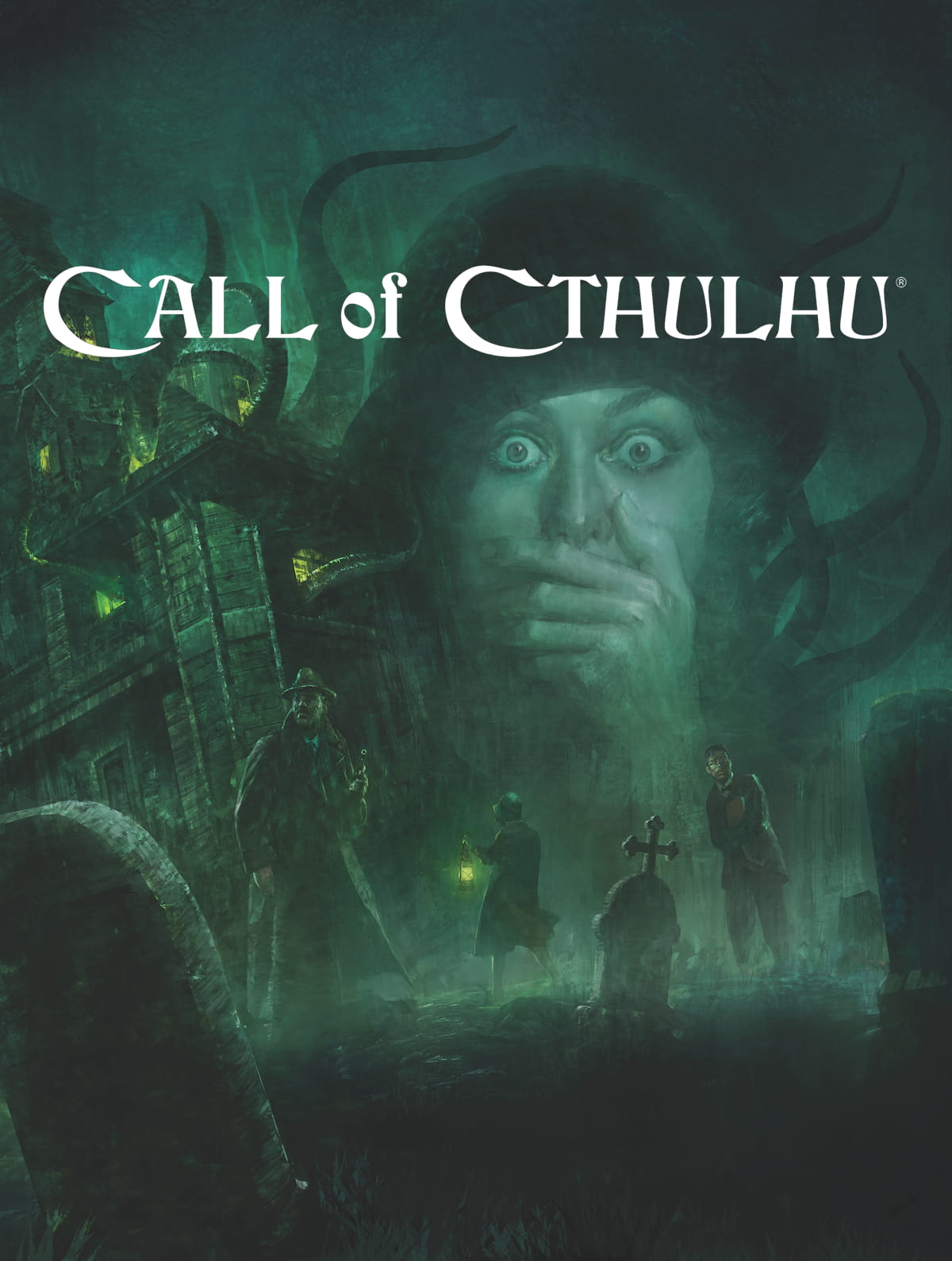
Call of Cthulhu is the classic game of investigative cosmic horror. Play doomed investigators probing occult mysteries and fragile sanity.
View system: Call of CthulhuDaggerheart
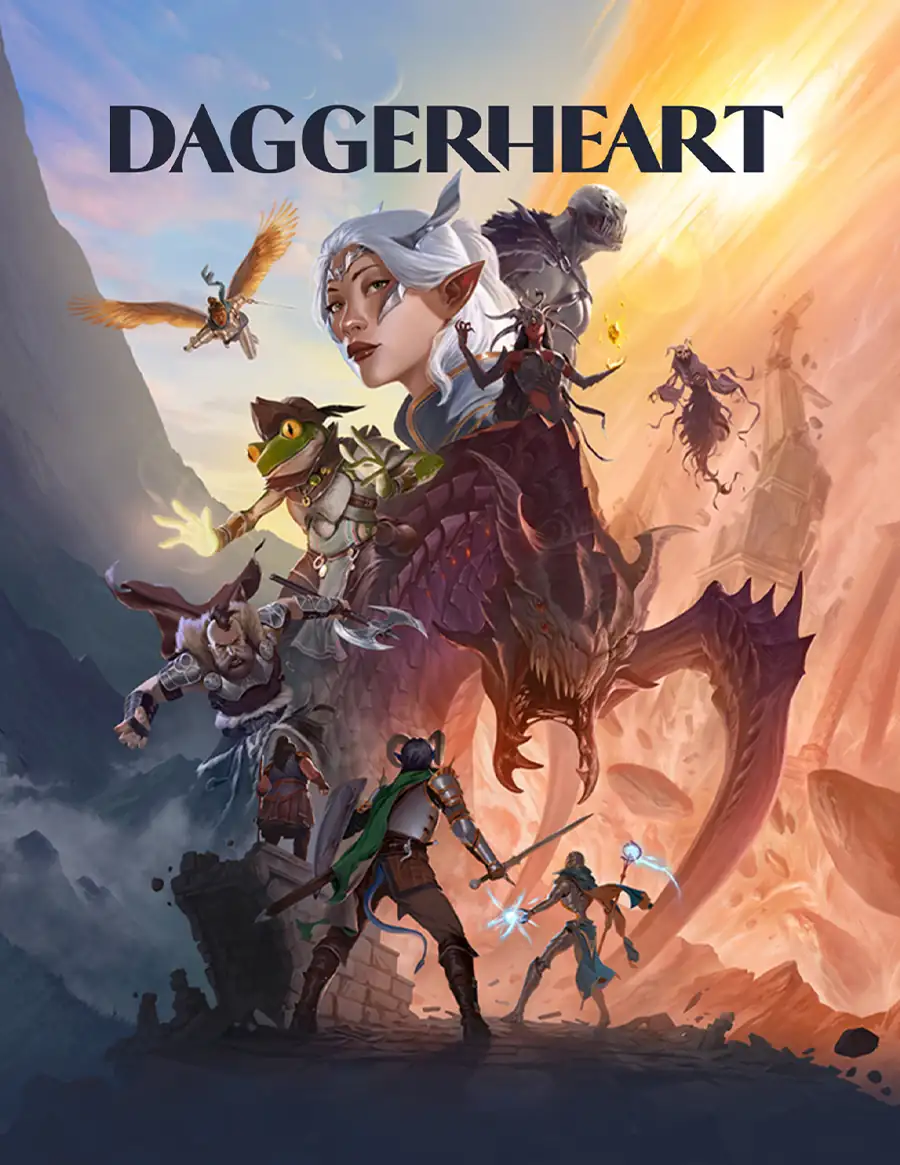
Daggerheart is a high-fantasy RPG where every roll uses Hope and Fear d12s. Big heroics meet meaningful consequences in fast, story-first play.
View system: DaggerheartVampire: The Masquerade
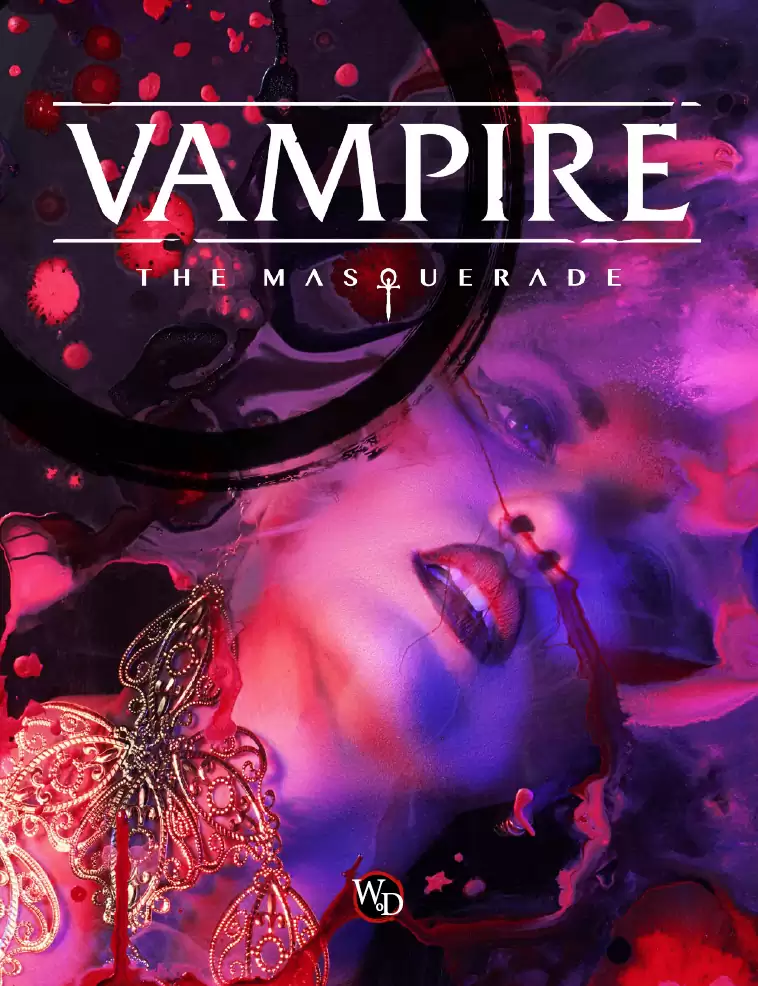
Vampire: The Masquerade is modern-night roleplay about hunger, power and secrecy. Think Interview with the Vampire, but you make the calls. Scheme, seduce and survive as a coterie while a professional Game Master brings a city of dark politics to life.
View system: Vampire: The MasqueradeCyberpunk
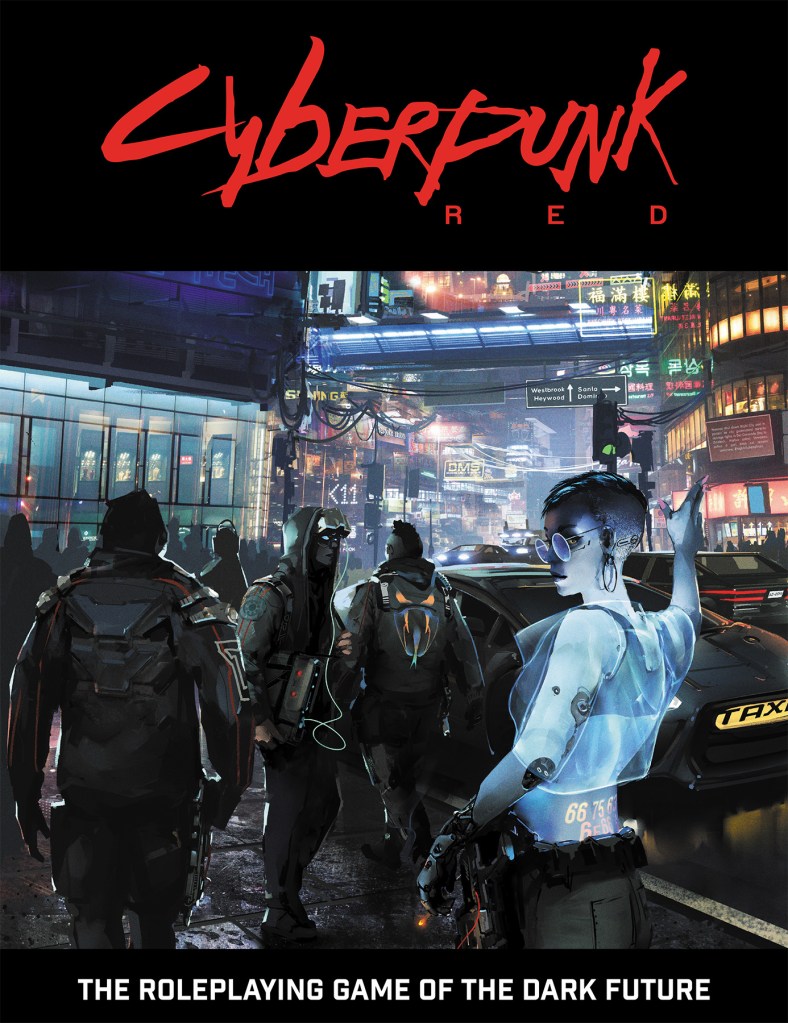
Rule the neon sprawl with Cyberpunk RED, the near-future game of mercs, megacorps and hard choices from R. Talsorian Games. Fast, deadly action, slick tech and tense heists. If you know Cyberpunk 2077, you already feel the grit and style.
View system: CyberpunkLancer
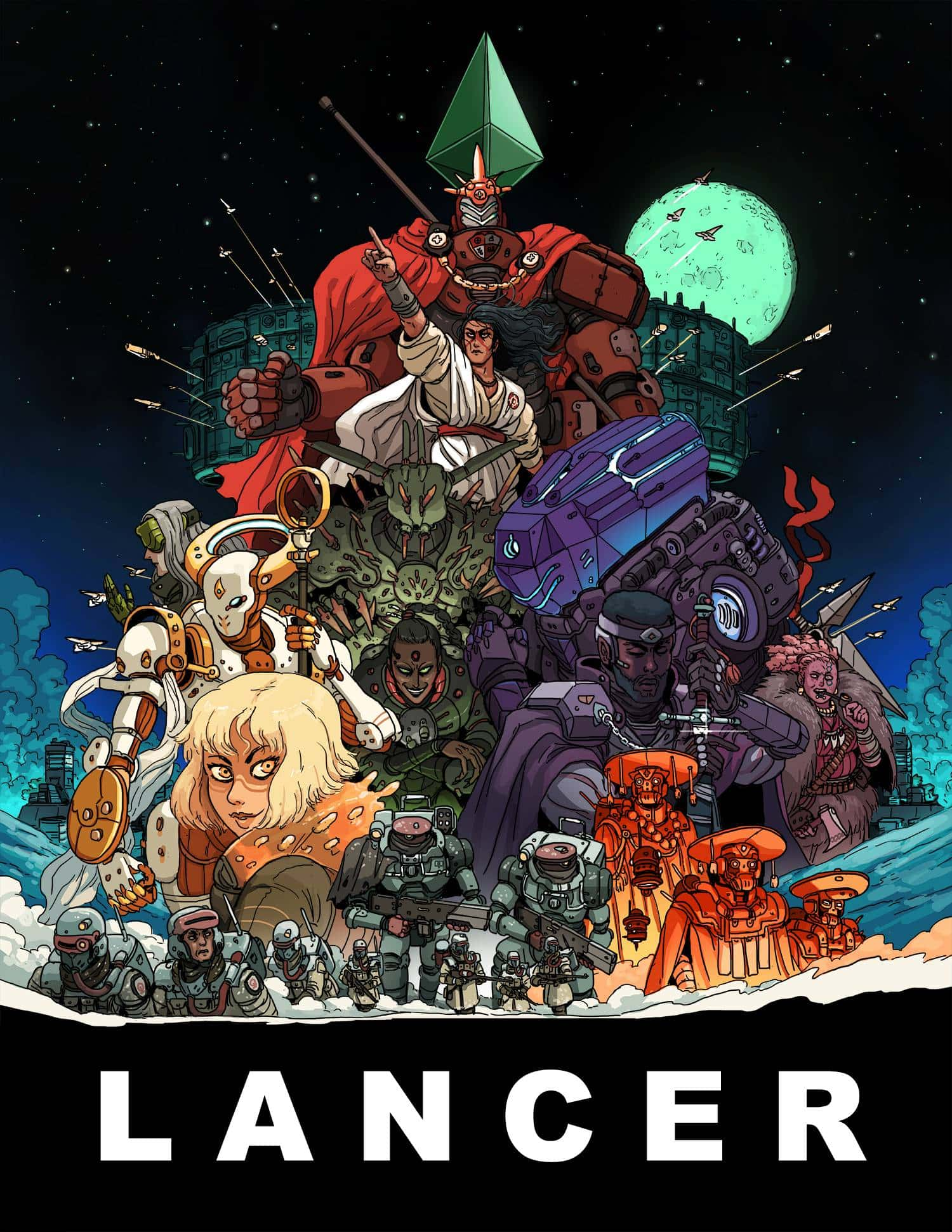
Pilot a custom-built mech in high-stakes missions that blend sharp tactics with character drama. Lancer delivers crunchy battles and sweeping sci-fi about duty, politics, and hope. If you love Gundam, you will feel right at home.
View system: LancerStarfinder
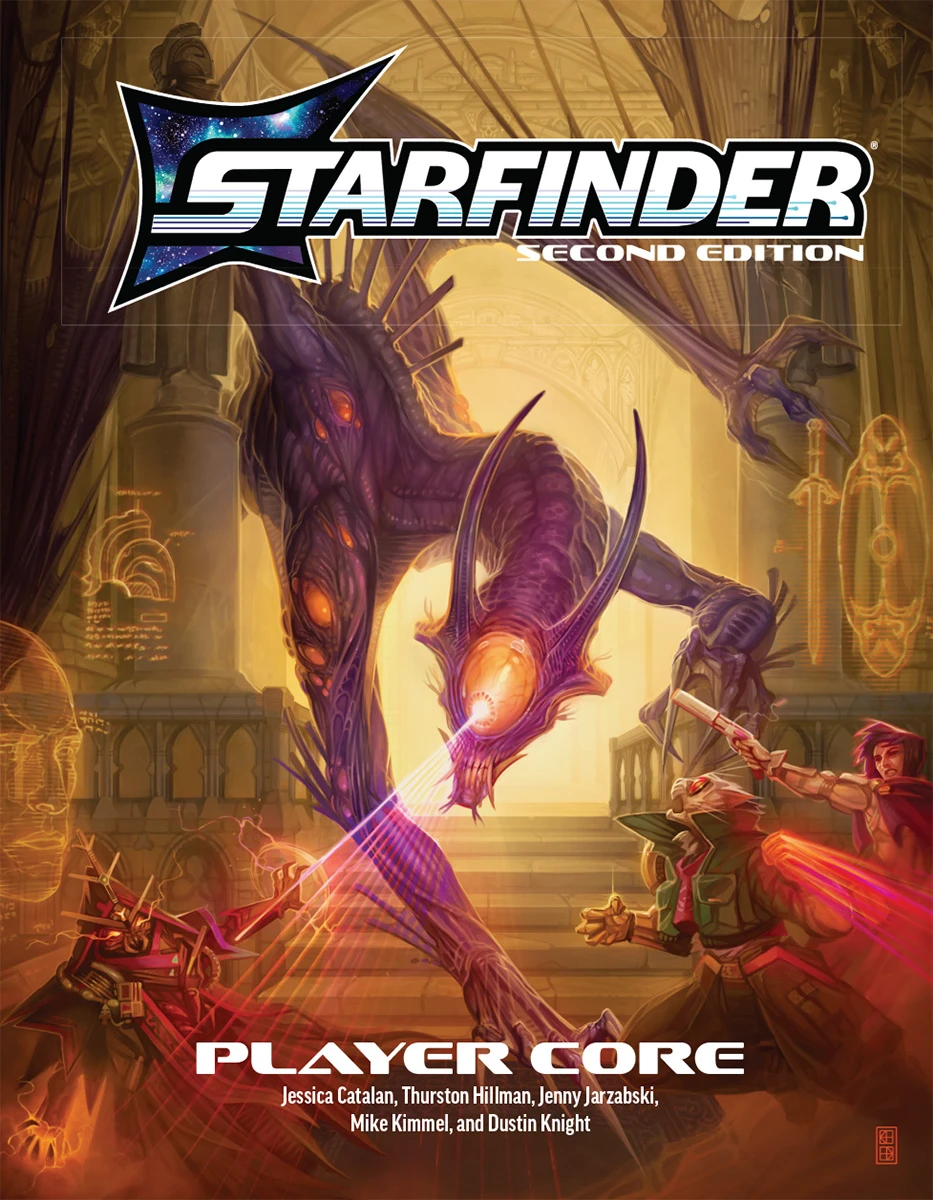
Starfinder is Paizo’s science-fantasy of blaster fights, spell-slinging technomancers, and starship showdowns. Think Mass Effect with magic. Our Game Masters guide you through strange worlds, daring heists, and alien mysteries that reward teamwork and bold choices.
View system: StarfinderWarhammer Fantasy Roleplay
Warhammer Fantasy Roleplay plunges you into the Old World, a grim, disease-ridden land of cults, corruption and hard choices. Think The Witcher, but with black humor and worse odds. Gritty investigations, lethal fights and messy magic, guided by our Game Masters.
View system: Warhammer Fantasy RoleplayALIEN: The Roleplaying Game
Stalk the dark between the stars with ALIEN: The Roleplaying Game, a cinematic survival horror experience. Stress fuels panic and hard choices as you fight to survive. If Ridley Scott's Alien hooked you, this delivers that same cold-sweat dread at the table.
View system: ALIEN: The Roleplaying Game



High Fantasy
Vast kingdoms, ancient magic, and heroes on dangerous quests to save more than a town, maybe the world. Think The Lord of the Rings, where…
View genre: High FantasyDark Fantasy
Gritty magic, frail hope, and choices that stain as monsters wear human faces and the cost of victory cuts deep. Think The Witcher, but the…
View genre: Dark FantasyPirate
Salt spray, creaking decks, and cutlass fights as you chase treasure and rivals across dangerous seas. Swashbuckling adventure like Pirates…
View genre: PirateSteampunk
Victorian grit, brass gadgets, and daring invention. Think Around the World in 80 Days with airships, clockwork automatons, and smokestack…
View genre: SteampunkWhimsical
Playful fantasy where logic takes tea breaks and kindness solves problems. Think Alice in Wonderland, with curious rules, quirky friends…
View genre: WhimsicalAcademy
Campus drama and late-night capers, teachers who test you and rivals who push you. Make friends, join clubs, cram for finals, and decide…
View genre: AcademyMystery
Follow the clues, build timelines, and catch the culprit. Think Knives Out, but you are the detective, piecing together alibis and secrets…
View genre: MysterySurvival
Cold nights, empty packs, and hard choices. Survival tales test grit and teamwork as you ration supplies, outsmart nature, and face human…
View genre: Survivalby Tessa Supernatural
Unseen forces close in. You hunt answers through haunted houses, cursed towns, and sacred rites where ghosts, omens, and miracles blur fear…
View genre: Supernatural


