

TotM
Theater of the Mind
In Theater of the Mind, the GM frames scenes with tight, sensory description and keeps the camera moving. You get clear calls on distance, cover, and who is where, often in simple bands like engaged, near, or far. Before rolls, intent and stakes are confirmed, then action snaps forward with quick rulings. The GM tracks zones and hazards verbally and recaps after big moves. Combat feels punchy, exploration feels immediate, and social scenes flow like a lively conversation.
This style shines for newcomers and story lovers, and for groups that value pace over measuring squares. It keeps online sessions smooth and is great for team events, where imagination and collaboration matter more than maps. Tactical players who enjoy clear stakes and creative positioning still get depth, just without miniatures. It pairs well with narrative-first or rules-light game systems, and also with flexible takes on classic fantasy or sci fi. Ideal for one-shots, travel-friendly campaigns, and tables with mixed experience.
Frequently asked questions
How is this different from grid based tactical play?
You act from a shared mental map instead of a battle grid. The GM calls out distance in simple bands, who threatens whom, and what cover exists. You spend less time measuring and more time declaring intent. Creative positioning still matters, it is just described, not counted.
Is Theater of the Mind good for first time players or kids?
Yes, it lowers the barrier to entry. The GM keeps track of where everyone is and reminds you of options, so turns move quickly. There are fewer rules to look up and no miniatures to manage, which helps new or younger players focus on choices and story.
Does it suit one shots as well as campaigns?
One shots start fast, since you skip map prep and can jump into scenes. For campaigns, it keeps travel, mysteries, and politics flowing without pausing to draw rooms. Big set pieces still work, the GM flags zones and hazards verbally so everyone stays oriented.
Which game systems fit Theater of the Mind best?
Rules light and narrative engines shine, such as Fate, Powered by the Apocalypse, Cypher, or Blades in the Dark. Flexible fantasy like Dungeons & Dragons also works when range and terrain are handled in bands. For options by genre and crunch, browse the system overview at popular game systems.
Booking Form


Sent!

Nat 1, try again!
Please try again or email info@storyforgers.com
Dungeons & Dragons
Forge your own fantasy tale with Dungeons & Dragons. Create a party of bold heroes, outsmart traps, bargain with dragons, and claim treasure in vivid worlds. Think the fellowship spirit of The Lord of the Rings, only you choose the paths, the battles, and the ending.
View system: Dungeons & DragonsCall of Cthulhu
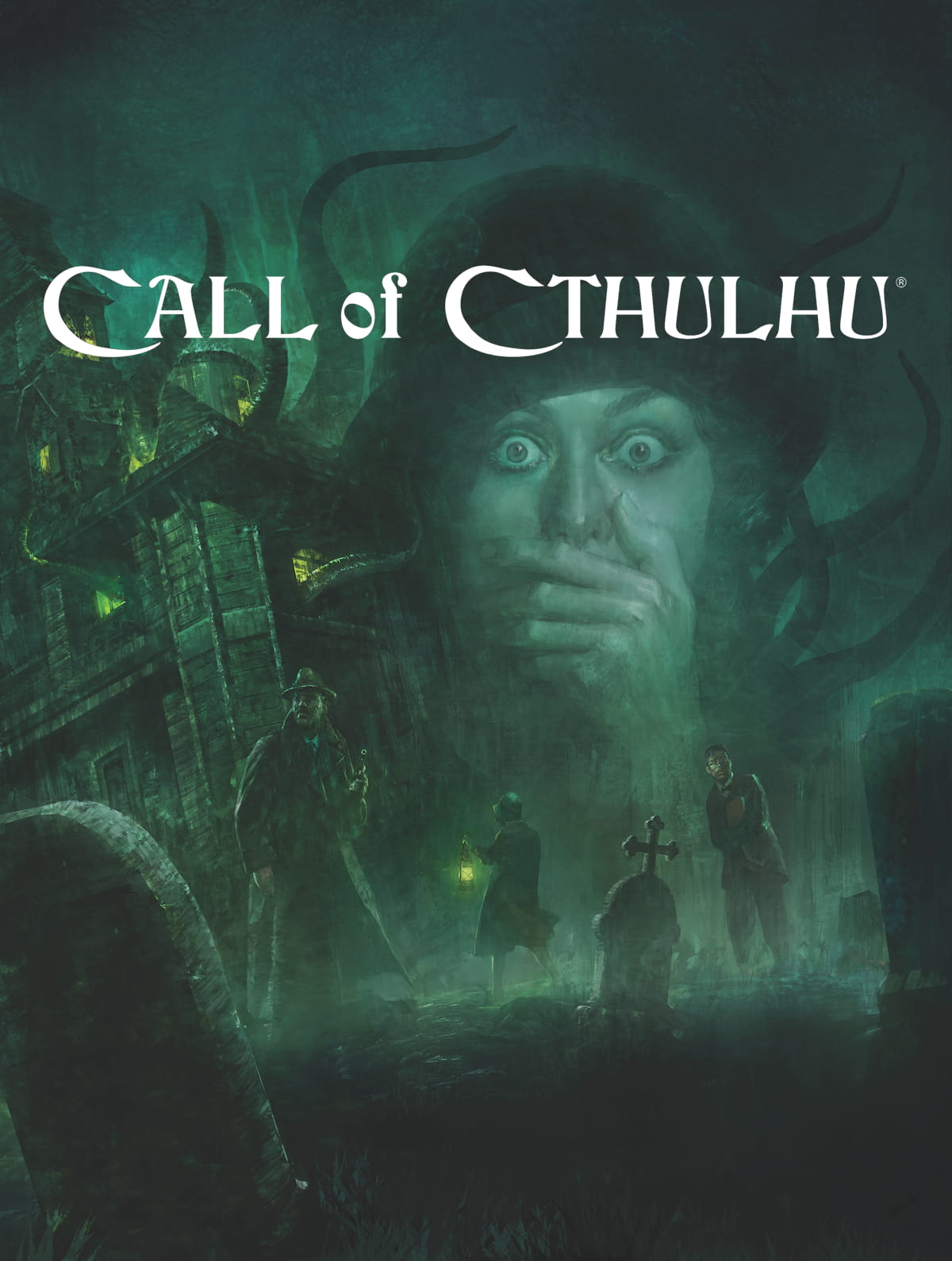
Call of Cthulhu is the classic game of investigative cosmic horror. Play doomed investigators probing occult mysteries and fragile sanity.
View system: Call of CthulhuDaggerheart
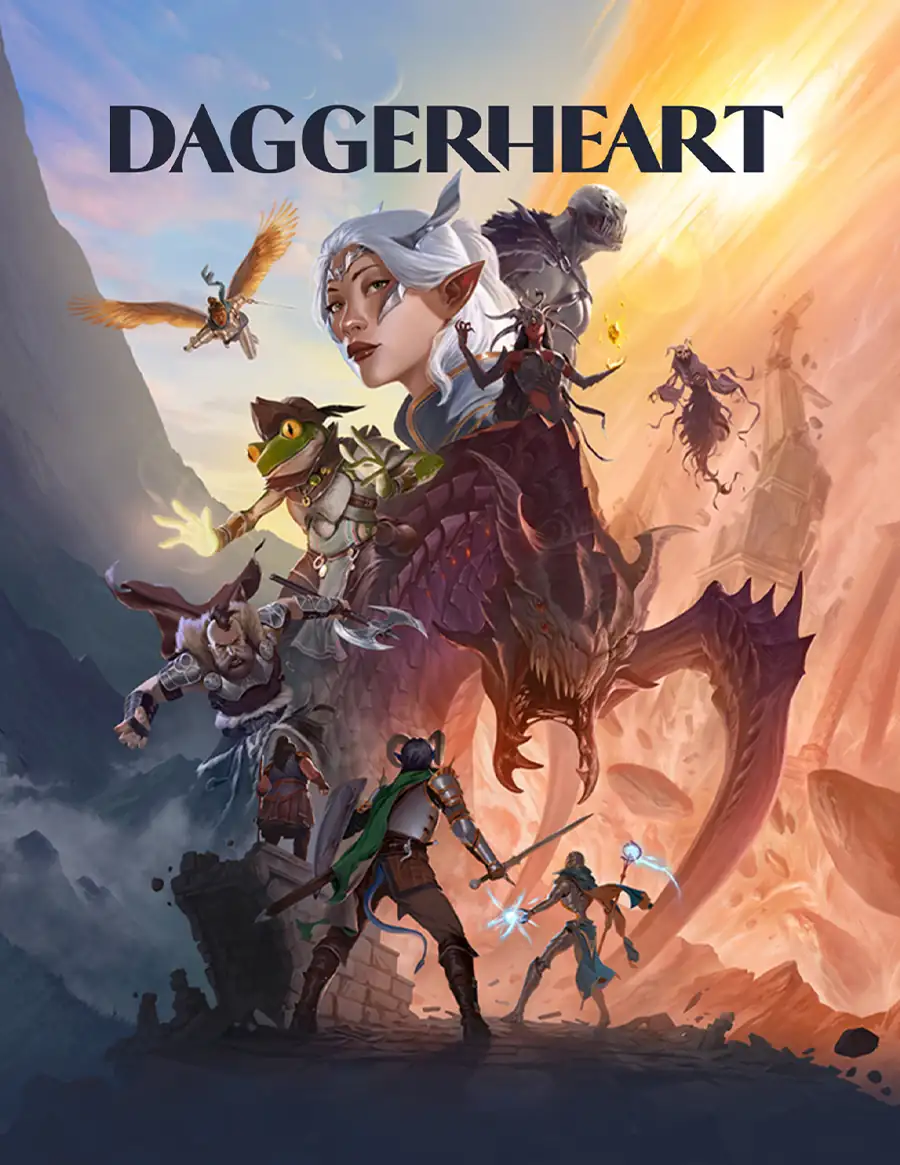
Daggerheart is a high-fantasy RPG where every roll uses Hope and Fear d12s. Big heroics meet meaningful consequences in fast, story-first play.
View system: DaggerheartVampire: The Masquerade
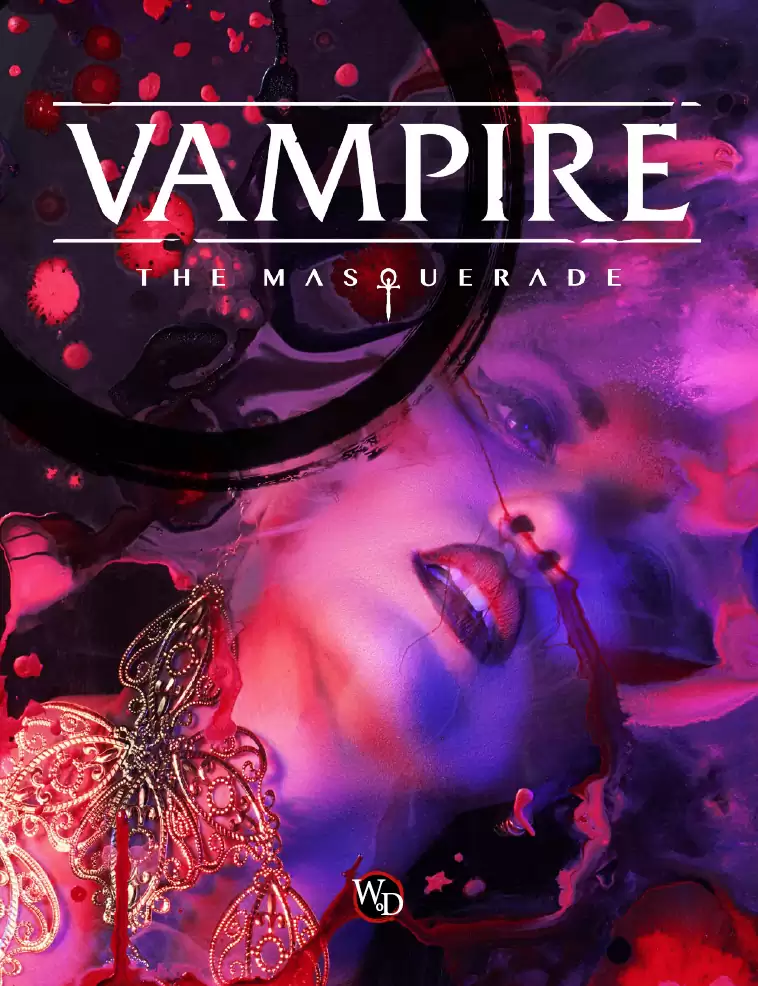
Vampire: The Masquerade is modern-night roleplay about hunger, power and secrecy. Think Interview with the Vampire, but you make the calls. Scheme, seduce and survive as a coterie while a professional Game Master brings a city of dark politics to life.
View system: Vampire: The MasqueradeCyberpunk
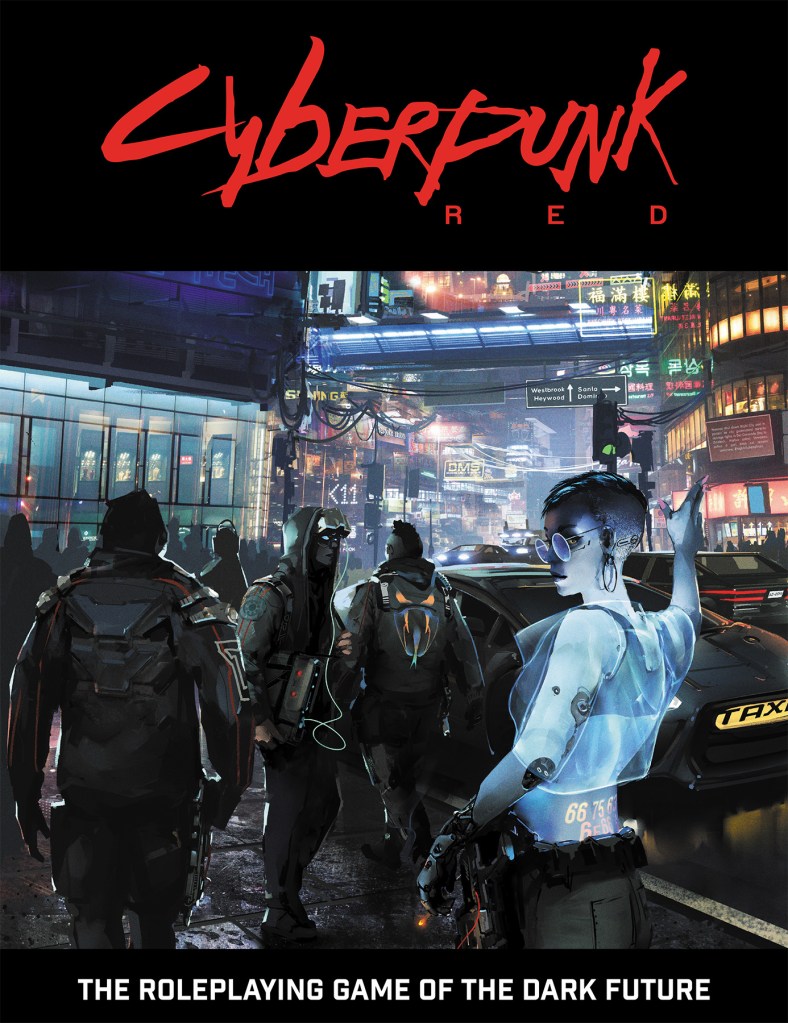
Rule the neon sprawl with Cyberpunk RED, the near-future game of mercs, megacorps and hard choices from R. Talsorian Games. Fast, deadly action, slick tech and tense heists. If you know Cyberpunk 2077, you already feel the grit and style.
View system: CyberpunkLancer
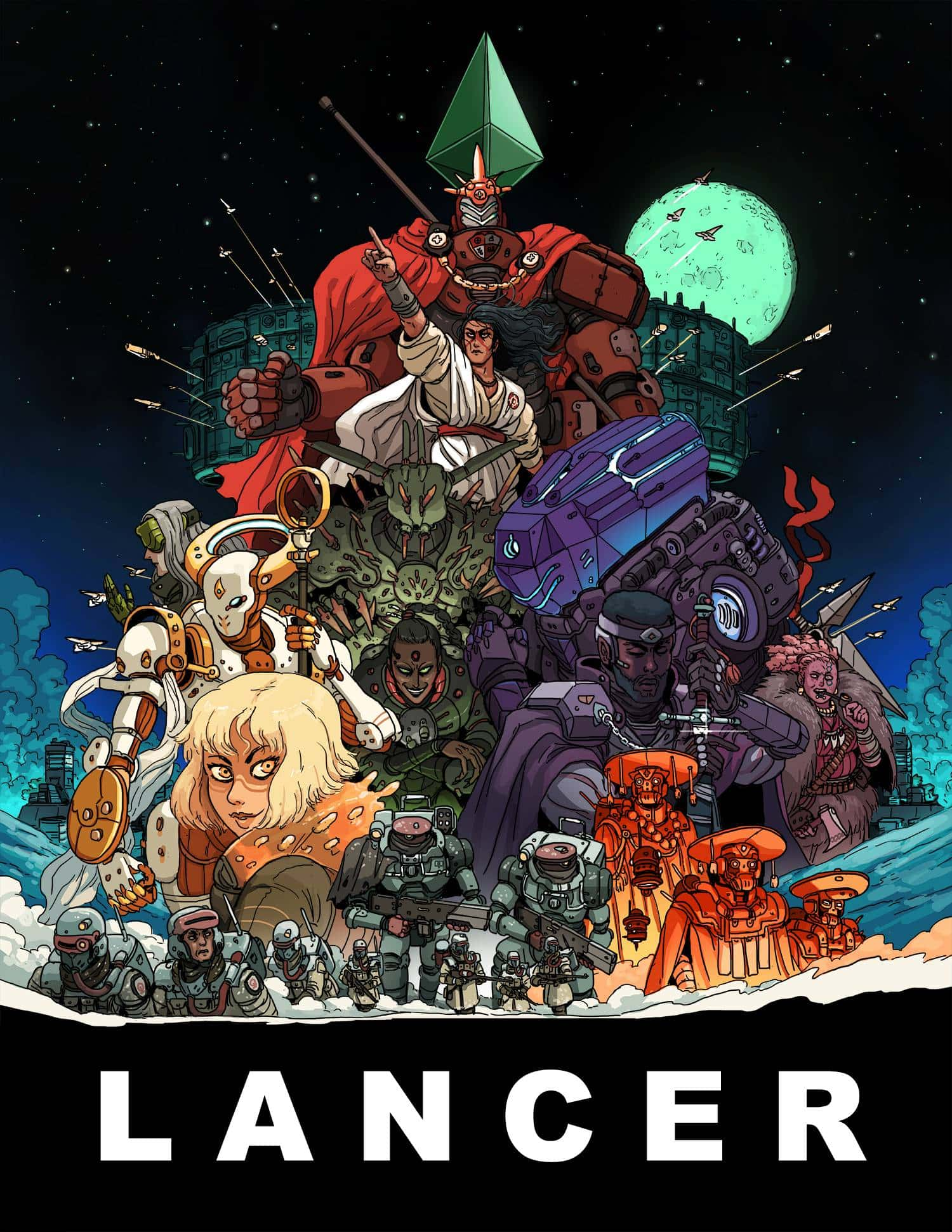
Pilot a custom-built mech in high-stakes missions that blend sharp tactics with character drama. Lancer delivers crunchy battles and sweeping sci-fi about duty, politics, and hope. If you love Gundam, you will feel right at home.
View system: LancerStarfinder
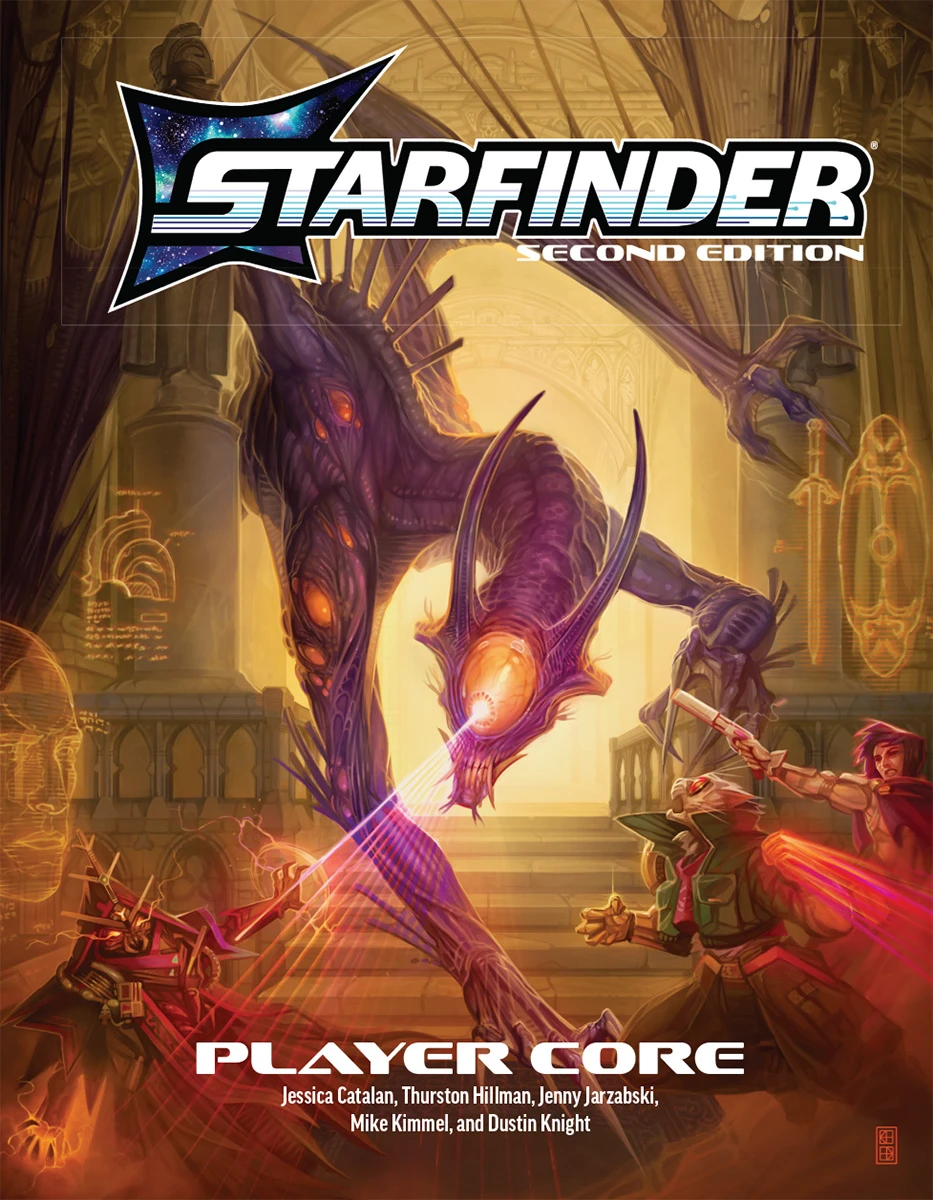
Starfinder is Paizo’s science-fantasy of blaster fights, spell-slinging technomancers, and starship showdowns. Think Mass Effect with magic. Our Game Masters guide you through strange worlds, daring heists, and alien mysteries that reward teamwork and bold choices.
View system: StarfinderWarhammer Fantasy Roleplay
Warhammer Fantasy Roleplay plunges you into the Old World, a grim, disease-ridden land of cults, corruption and hard choices. Think The Witcher, but with black humor and worse odds. Gritty investigations, lethal fights and messy magic, guided by our Game Masters.
View system: Warhammer Fantasy RoleplayALIEN: The Roleplaying Game
Stalk the dark between the stars with ALIEN: The Roleplaying Game, a cinematic survival horror experience. Stress fuels panic and hard choices as you fight to survive. If Ridley Scott's Alien hooked you, this delivers that same cold-sweat dread at the table.
View system: ALIEN: The Roleplaying Game



High Fantasy
Vast kingdoms, ancient magic, and heroes on dangerous quests to save more than a town, maybe the world. Think The Lord of the Rings, where…
View genre: High FantasyDark Fantasy
Gritty magic, frail hope, and choices that stain as monsters wear human faces and the cost of victory cuts deep. Think The Witcher, but the…
View genre: Dark FantasyPirate
Salt spray, creaking decks, and cutlass fights as you chase treasure and rivals across dangerous seas. Swashbuckling adventure like Pirates…
View genre: PirateSteampunk
Victorian grit, brass gadgets, and daring invention. Think Around the World in 80 Days with airships, clockwork automatons, and smokestack…
View genre: SteampunkWhimsical
Playful fantasy where logic takes tea breaks and kindness solves problems. Think Alice in Wonderland, with curious rules, quirky friends…
View genre: WhimsicalMystery
Follow the clues, build timelines, and catch the culprit. Think Knives Out, but you are the detective, piecing together alibis and secrets…
View genre: MysterySurvival
Cold nights, empty packs, and hard choices. Survival tales test grit and teamwork as you ration supplies, outsmart nature, and face human…
View genre: Survivalby Tessa Supernatural
Unseen forces close in. You hunt answers through haunted houses, cursed towns, and sacred rites where ghosts, omens, and miracles blur fear…
View genre: SupernaturalCyberpunk
Neon nights, humming servers, and hard choices. You play hackers, street samurai, and fixers pulling jobs for and against megacorps. Think…
View genre: Cyberpunk


