
Oops… your hero just bit the dust – now what?

 Follow us
A very human (and slightly magical) guide to surviving a character death in Dungeons & Dragons
There comes a point in every tabletop-RPG career when the dice hit harder than Moradin’s hammer. One reckless leap, one merciless critical hit, and bam – your beloved bard, fighter or sneaky rogue is suddenly sprawled stone-cold on the dungeon floor. The table goes silent, the Dungeon Master offers a guilty “sorry,” and you stare at your charred character sheet.
But one deadly roll doesn’t have to drag the whole evening – or your fun – into the Abyss. In fact, a death can add more drama, emotion and legendary lore to your D&D 5e campaign than any magic sword. Let’s break down how to handle a fallen hero with grace (and a generous splash of creativity).

1. Breathe first – and forgive the dice
In D&D 5e, randomness reigns. Sometimes a natural 20 saves your hide; sometimes a natural 1 leaves you a soggy rag on the flagstones. So pause – grab coffee, snag a stroopwafel – and give everyone a moment to process. Ask the DM how they see it: is the death narratively final, or are diamonds already sparkling for a ritual comeback? An open chat avoids blame games and keeps the table vibe healthy.
2. New round, new character
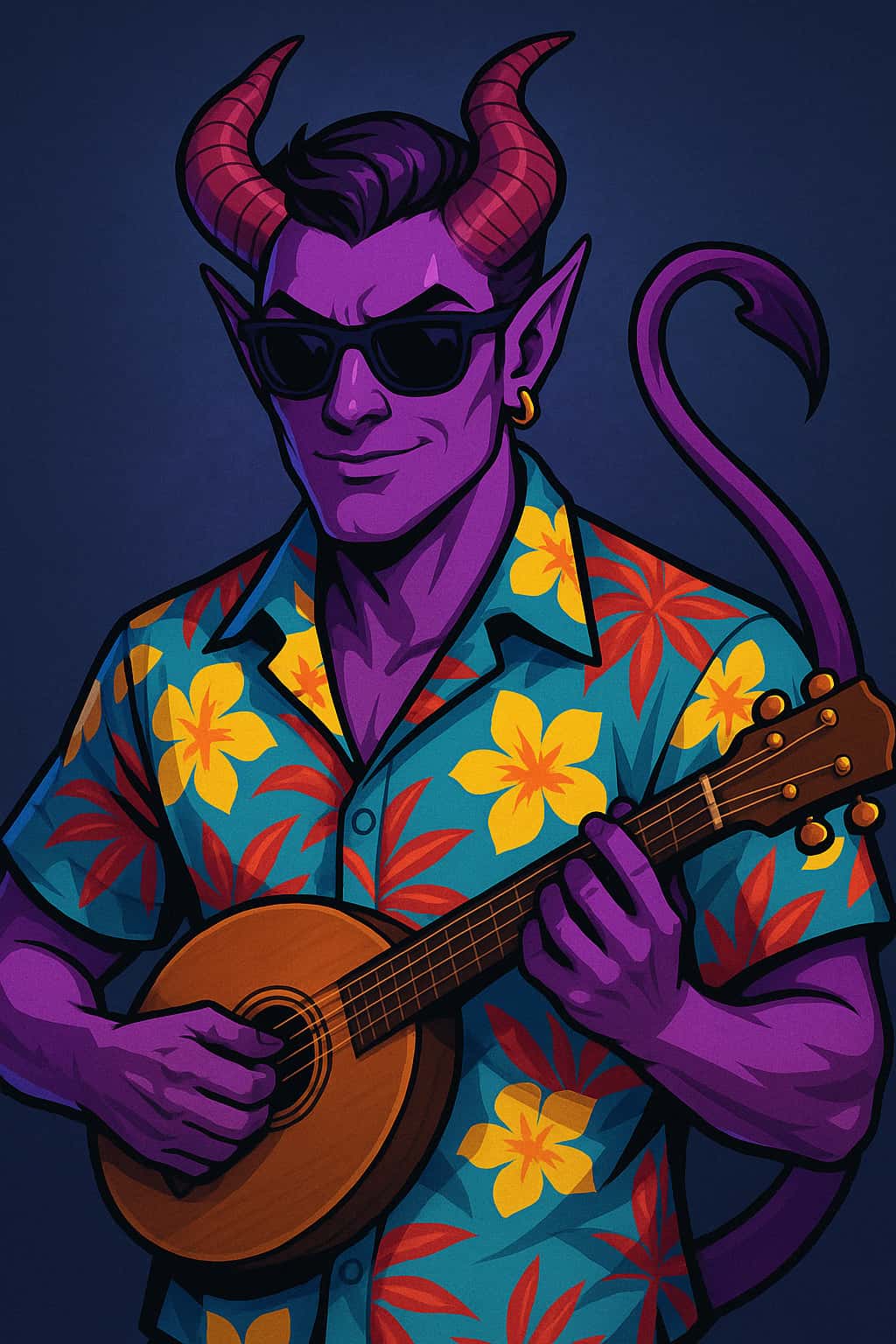
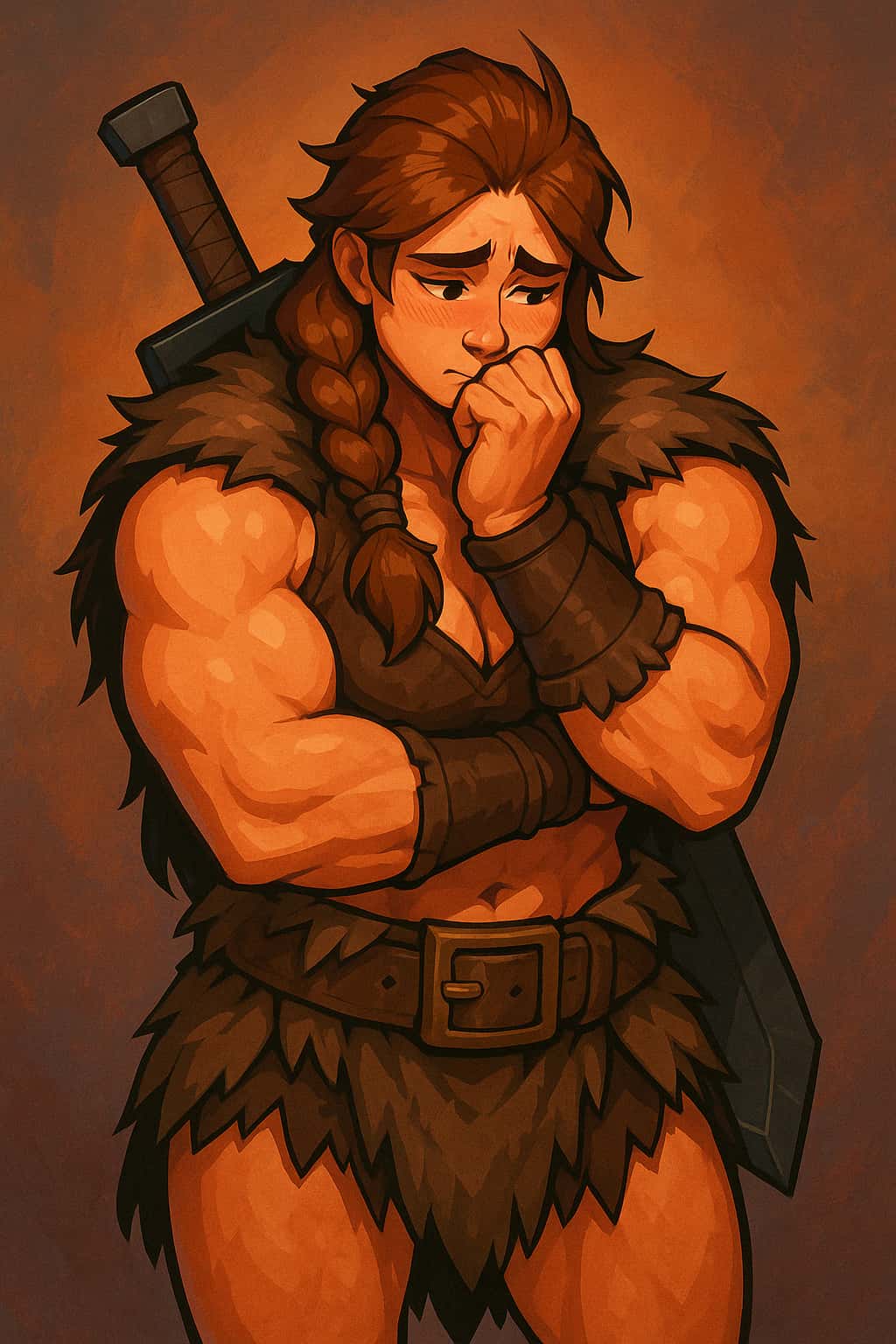
Ready for fresh stats and a clean slate? Time to roll up a new hero. The trick is connection: invent a reason this adventurer shows up right now – a protégé, sibling or even sworn rival of the deceased. No ten-session origin story required, and the plot keeps flowing.
Try a total contrast. Was your last PC a fire-loving tank barbarian? Go for a timid wizard who plans three scenarios in his spellbook before every fight. New dynamic = new laughs = new energy.
3. Magical save – “diamonds are a cleric’s best friend”
Sometimes the table is too attached to Sir Shiny Armor to lose him forever. Revivify, Raise Dead or even True Resurrection can do the trick – if you’ve got the gold (and a generous cleric). Just make the resurrection a scene, not a shopping list: a midnight ritual under a full moon, a godly vision-quest, or a cryptic NPC demanding a blood price.
Reward the tension with lasting consequences. Maybe Sir Shiny returns with a fear of fire, a weird celestial birthmark, or a psychic link to the afterlife entity that sent him back. Second chances feel earned and narratively juicy.
4. The heroic sacrifice – drama, tears and trumpets
Not every hero needs the saddle again. A deliberate heroic sacrifice can lift a campaign from fun game to epic saga: the paladin holding the gate alone so the party escapes, the warlock trading her soul to stop a demon plague. Work with the DM: write a short epilogue, let the bard compose a ballad, schedule a memorial festival next session.
That final farewell gives the group a shared goal (“for our fallen comrade!”) and seeds world-building forever. Players forget +1 swords; a well-told sacrifice sparks table talk for years.
5. Ghost, mentor… or villain?
Who says death is the end? Maybe your PC returns as a goofy friendly ghost only the druid can see. Or the DM reanimates them as an unexpected villain – guaranteed jaw-drops when the party meets their old buddy from the wrong side of the blade. As always: get buy-in. Surprise zombies are fun for no one.
6. Party aftercare
Whether you roll a new sheet, dive into Diamond Economics 101, or sob over a noble goodbye – leave space for a quick debrief. What worked, what felt unfair, what was downright awesome? In Dungeons & Dragons, death is mostly a story tool. Talking it out keeps everyone invested and no one left out.
7. Dead, yet very much alive in the story
A character death can hit like a thunderclap, but with a splash of teamwork and creativity it becomes a highlight instead of a downer. Roll a new hero, pool diamonds for a spectacular resurrection ritual, or embrace the raw drama of a “tell my story” final breath. Once the tears (or giggles) dry, you’ll notice your campaign is actually richer for it.
Ever experienced a table-flipping death of your own? Share your tale at contact@storyforgers.com; we might round them up in a future article. Until then: keep rolling, keep laughing, and remember that even a fallen hero can inspire mountains of adventure.


